Most bans are logical: don’t speed, don’t steal, don’t set your neighbor’s lawn on fire even if their dog keeps pooping on your driveway.
But then… there’s the other category.
These banned things that make you stop mid-scroll and whisper “Wait… what?”
Every country has at least one ban so bizarre it feels like the aftermath of a government meeting that definitely should’ve included coffee. Let’s take a world tour of the most delightfully baffling bans still alive (or recently revived) in 2025 — and what cultural oddities, scandals, or cosmic-level shenanigans made them happen.
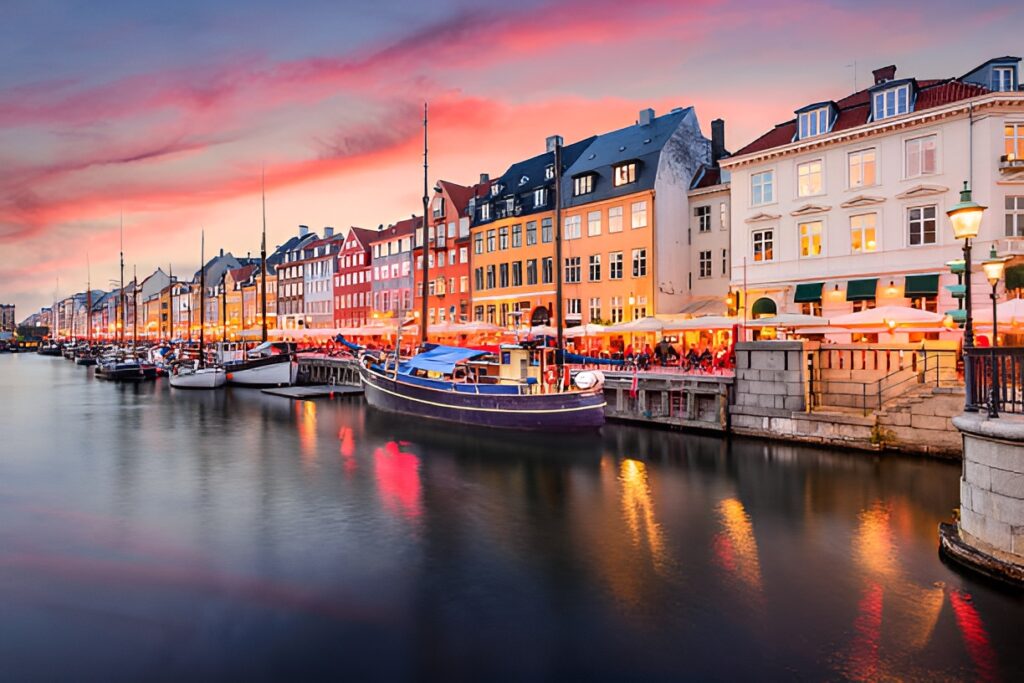
Denmark — Banning Certain Baby Names (Sorry, Little Pluto-Moonshine-Jesus)
Denmark has a baby-name police. Not literally — but pretty close.
Parents can’t just name their kid whatever their imagination coughs up. There’s a legally approved list of around 7,000 names, and if the one you want isn’t on it? You must apply for permission.
Why? Danish authorities want to protect children from… having weird names.
Apparently Denmark watched enough American TV to decide: “We’re not letting a kid be named ‘Muffin’ or ‘4Real.’ Not on our watch.”
The deeper truth:
It’s about preserving linguistic heritage, preventing bullying, and maintaining cultural cohesion. But it also leads to hilarious headlines like:
“Parents Denied Baby Name Because It Sounds Like a Dishwasher Model.”
Traveler insight:
Don’t joke about naming your Danish friend’s baby “Thor Ragnarok.” They’ve heard it. And it probably requires paperwork.
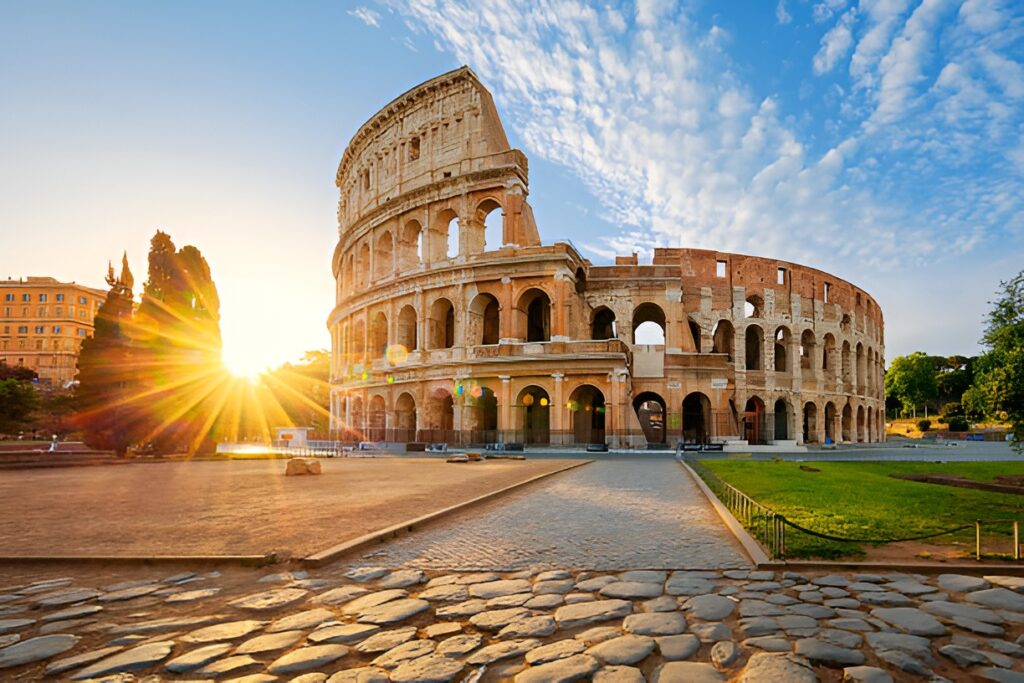
Italy — Goldfish Bowls (Good Intentions, Weird Execution)
Italy loves animals. Like… they really love animals.
So much that goldfish bowls — the round ones you see in every old cartoon — are banned in several cities, including Rome and Monza.
Why? Because the curve of the bowl distorts a goldfish’s vision, and there’s limited oxygen. To Italians, this is psychological torture for fish.
Imagine a 2000-year-old civilization saying:
“We built aqueducts, conquered kingdoms, invented banking… but we draw the line at spherical fish prisons.”
The deeper truth:
It’s rooted in Italy’s surprisingly strong animal rights movement. Whether it’s street dogs or pigeons or tiny golden idiots that forget everything every seven seconds, Italians believe dignity applies across species.
Traveler insight:
If you’re visiting Italy and you see a round fishbowl in a souvenir shop, congrats — that’s illegal nostalgia.
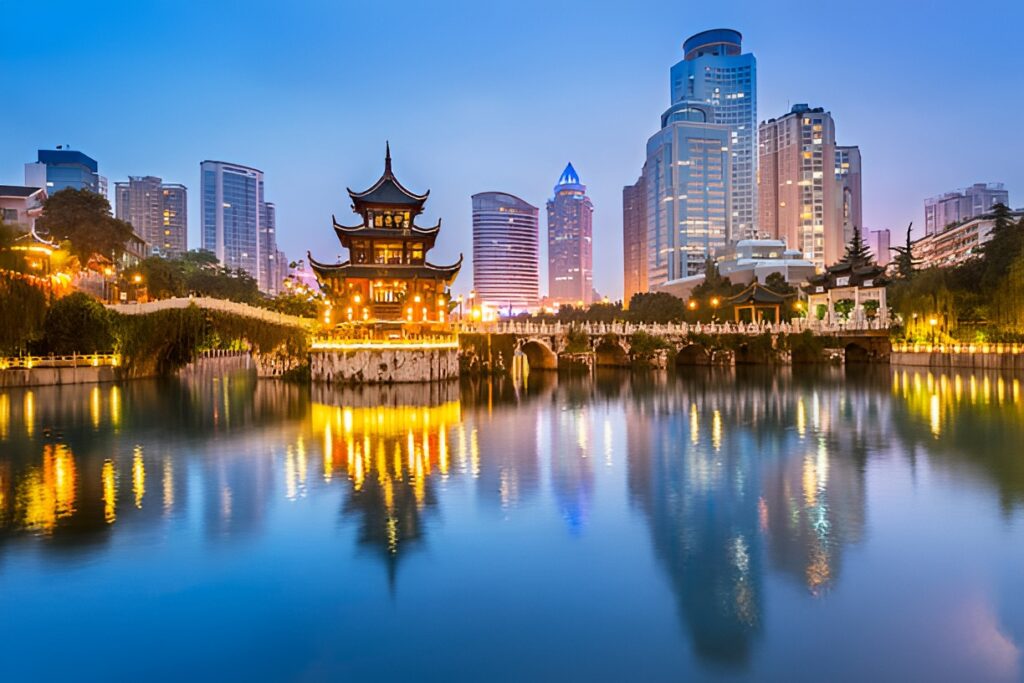
China — Reincarnation (Without Permission Because Bureaucracy Never Ends)
Here’s where the world gets surreal.
China once passed a rule that Tibetan monks cannot reincarnate without government approval.
Yup. They banned spiritual respawning.
Why?
It’s mostly political. Reincarnation in Tibetan Buddhism is tied to leadership — especially identifying the next Dalai Lama. By controlling reincarnation paperwork (an absolutely wild phrase), the government tries to limit the religious authority of Tibetan institutions.
The deeper truth:
It isn’t about religion — it’s about controlling who gets spiritual legitimacy. If you want to be reborn as a revered monk, apparently you need the celestial equivalent of a building permit.
Traveler insight:
You don’t need permission to reincarnate, but saying that out loud in China might get you some very confused side-eye.
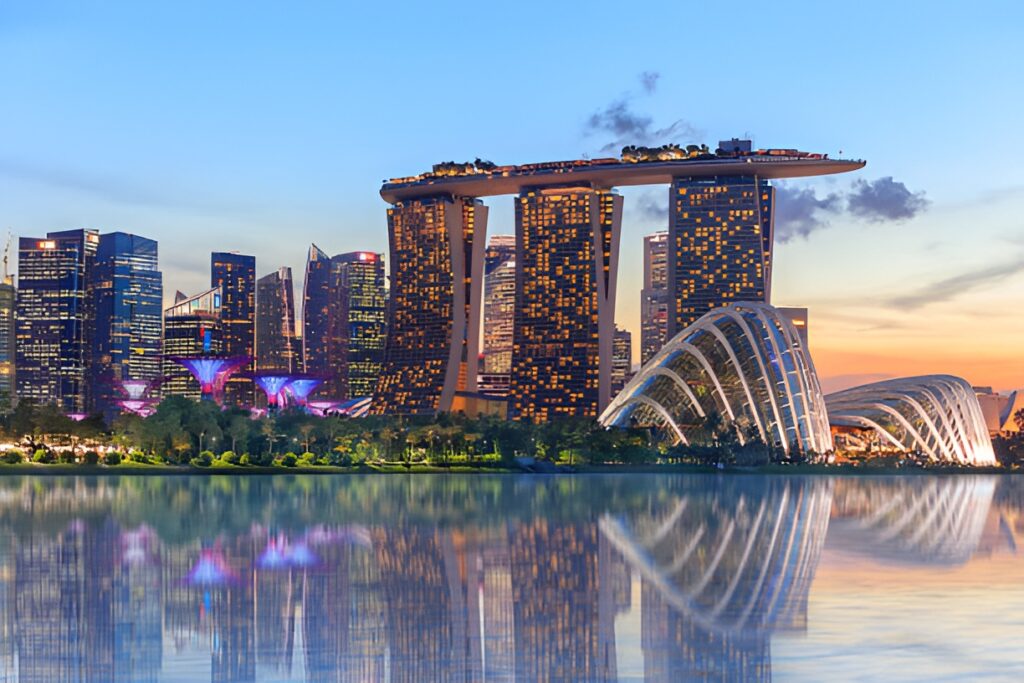
Singapore — Chewing Gum (Clean Streets, Zero Fun)
Singapore is famously spotless — so spotless that chewing gum has been banned since 1992.
You can’t import it, sell it, or distribute it. A pack of gum is basically contraband.
Why? The subway kept getting gummed up. Literally. Teens stuck gum on sensors and doors. Singapore responded with a law so strict that smuggling gum in feels like a low-stakes heist movie.
The deeper truth:
Singapore isn’t anti-gum; it’s pro-order. They’ll allow medical gum (like nicotine gum) if you have a doctor’s note. But bubble-blowing in the street? Outrageous.
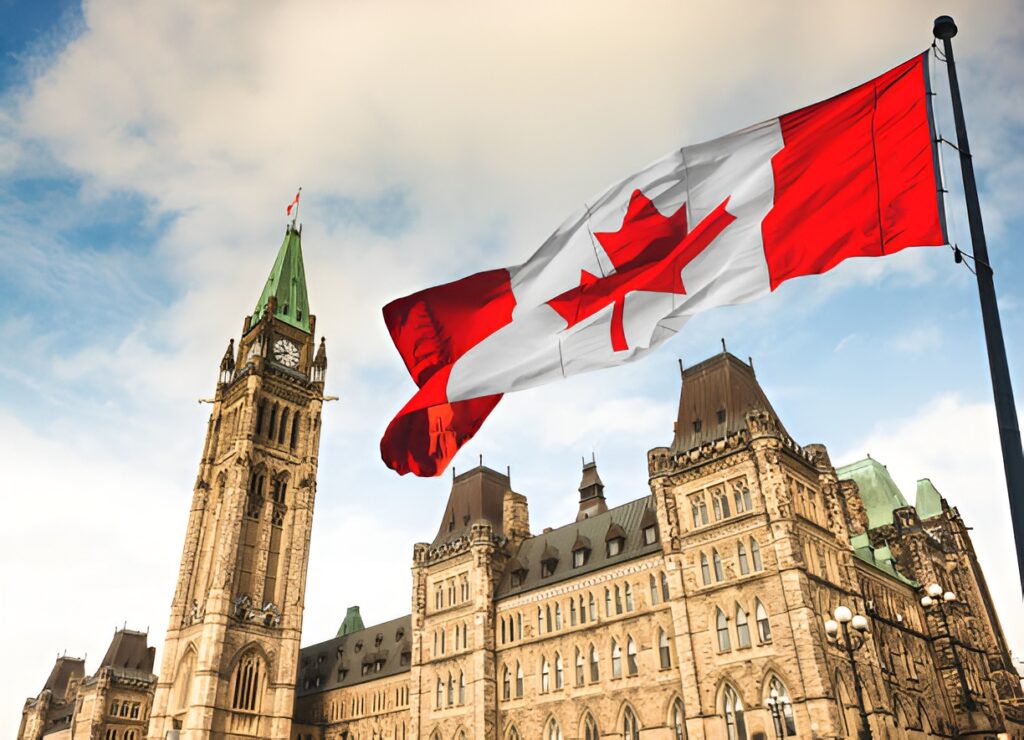
Canada — Fake Witchcraft (Real Witchcraft Is Apparently Fine)
Canada once had an old law banning people from pretending to practice witchcraft to scam others.
Real witchcraft? Fine.
Fake witchcraft? Absolutely not.
In 2018, they repealed it — but the legend of Canada’s most oddly specific law lives forever.
The deeper truth:
The ban wasn’t about magic. It targeted scammers using “witchcraft” to con people. Still, it sounds like something straight out of a fantasy novel written by a bureaucrat.
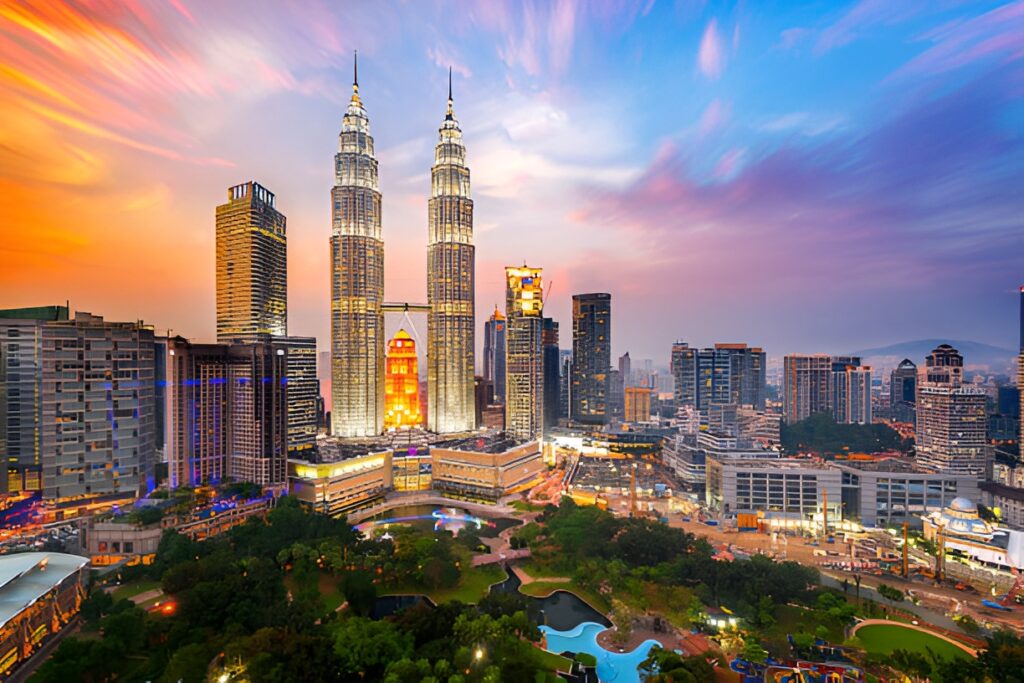
Malaysia — Yellow Clothing (During Protests)
For a period, Malaysia banned wearing yellow T-shirts associated with a pro-democracy movement called Bersih.
One color. Just… nope.
Why? The government was trying to crack down on dissent, and yellow happened to be the symbol of protest. So they banned the shade like it was Voldemort.
The deeper truth:
It wasn’t fashion policing — it was political symbolism control. Colors matter in movements, and governments know that better than anyone.
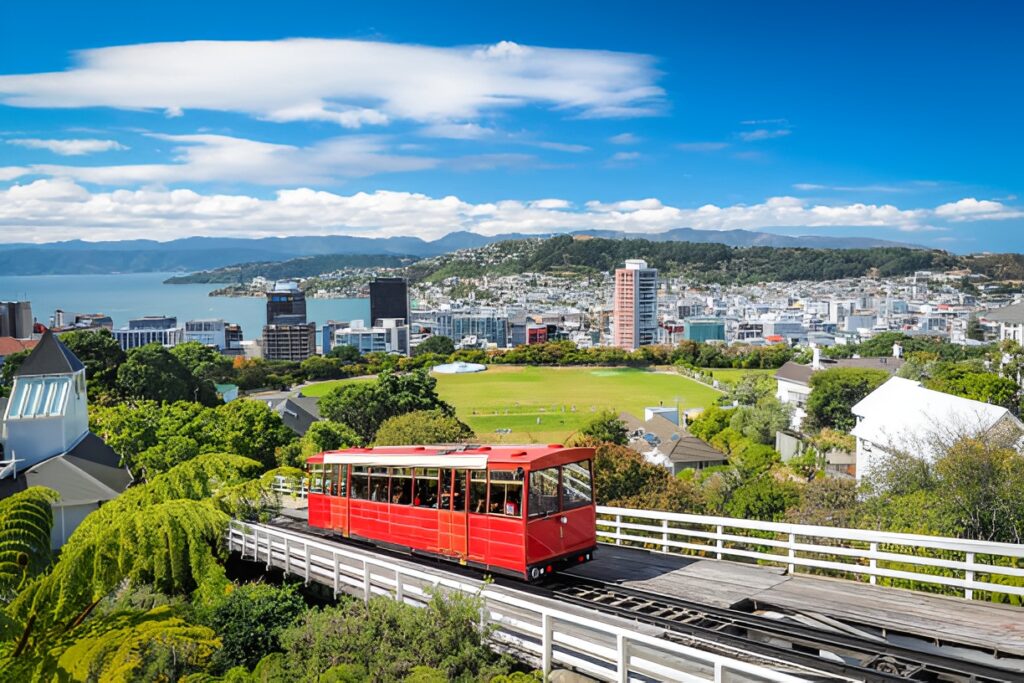
New Zealand — Certain Music (Goodbye, “Bling-era” Lyrics)
New Zealand occasionally restricts songs for violent or gang-related lyrics — especially ones tied to real-life gang activity.
This includes banning certain hip-hop tracks from broadcast.
Why?
To cut down on musical “recruitment,” according to officials.
The deeper truth:
It’s less about moral panic, more about public safety — but it still leads to surreal headlines like:
“Local Radio Bans Song After Too Many People Fought in the Parking Lot.”
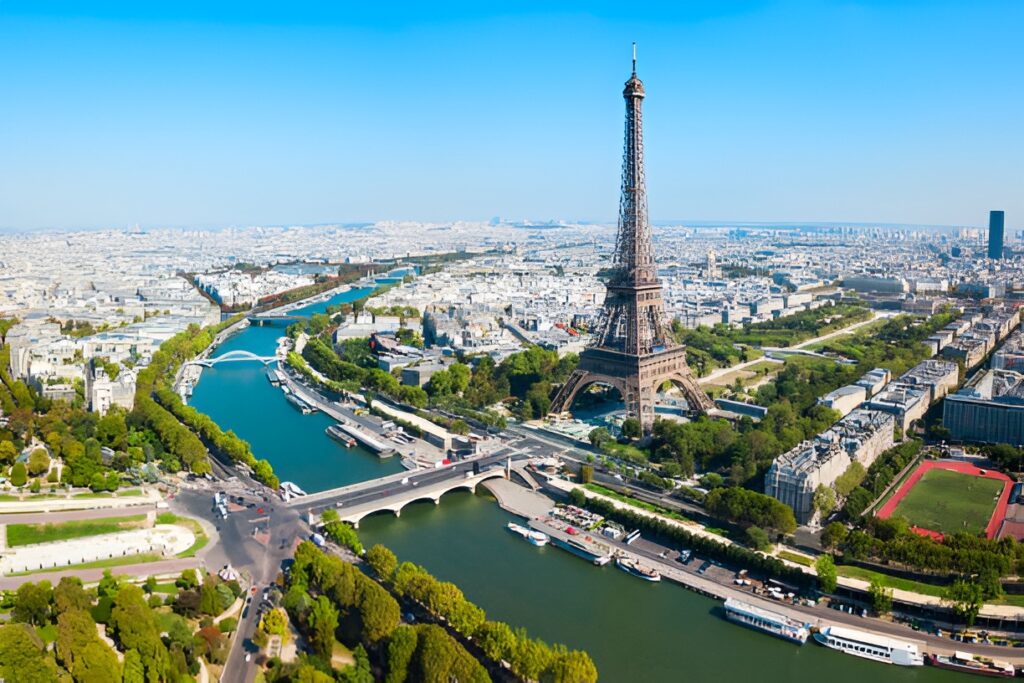
France — Ketchup (At Least in School Cafeterias)
French schools banned ketchup to preserve culinary heritage.
You can still use it… but only with fries.
Because apparently that is the sacred place of ketchup in the universe.
Why? French officials feared younger generations would prefer American sauces over traditional French cooking.
The deeper truth:
This is the most French ban ever passed.
Food is not a condiment game — it’s culture.
The Big Picture — Bans Reveal a Country’s Soul
Strange bans don’t come out of nowhere. They’re shaped by history, politics, religion, trauma, nostalgia, or one very intense public complaint that spiraled into law.
Together, they show something magical:
Every country is weird. Gloriously weird.
And traveling becomes way more interesting when you notice the quirks hiding behind official rules.
If you’re feeling bold and want to randomly pick your next bewildering destination in Europe, hop over to our Random European Country Generator and let chaos guide your adventures.
Leave a Reply