Why Strange Competitions Matter More Than You Think
People don’t gather every year to throw tomatoes, chase cheese, or wrestle with their toes just because it’s quirky entertainment. These competitions are social glue — ways for communities to pass down identity, celebrate local legends, laugh together, and sometimes test courage (or complete disregard for bodily safety).
When you look closely, bizarre competitions are actually windows into a nation’s culture, humor, and values. They reveal what a community cherishes: teamwork, bravery, absurdity, tradition, or just a good story to tell over a beer.
So today we’re taking a journey into the world’s craziest competitions — not to mock them, but to understand what makes them matter.
1. Cheese Rolling — England’s Beautiful Annual Chaos
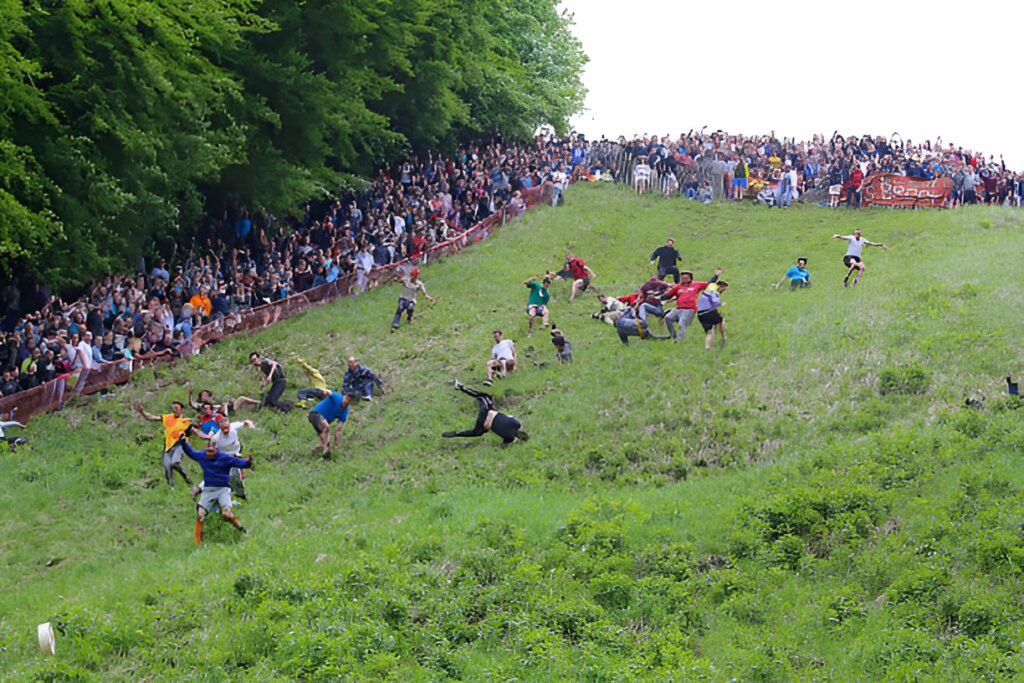
Cooper’s Hill in Gloucestershire doesn’t look like a battleground… until the cheese drops.
Every spring, a wheel of Double Gloucester cheese is launched downhill, and dozens of daredevils sprint after it. “Sprint” is a polite word — the hill is steep enough to make gravity your mortal enemy. Limbs fly, bodies tumble, and somehow, someone crosses the finish line first.
Why It Exists
The origins date back centuries — possibly pagan rituals celebrating the return of summer. Some locals believe it symbolized chasing away evil spirits; others say it was just villagers being villagers.
What It Feels Like to Attend
Imagine a giant outdoor festival where everyone’s cheering, laughing, and pretending they’re not terrified for the participants. The energy is equal parts adrenaline and “what am I watching?”
Cultural Insight
Britain loves tradition, even when that tradition is borderline medieval chaos. There’s something deeply British about maintaining a ritual simply because it’s fun.
Travel Tips
• Arrive early — the hill fills up fast
• Wear shoes with grip (the mud is unforgiving)
• Don’t try to participate unless you have great health insurance
2. Wife Carrying — Finland’s Rollercoaster Romance
At first glance, the Wife Carrying World Championship in Sonkajärvi looks like something invented after too many drinks. But the competition has real history: local bandits in the 19th century were known to steal food… and occasionally the village girls.
The modern version is consensual, I promise.
The Event
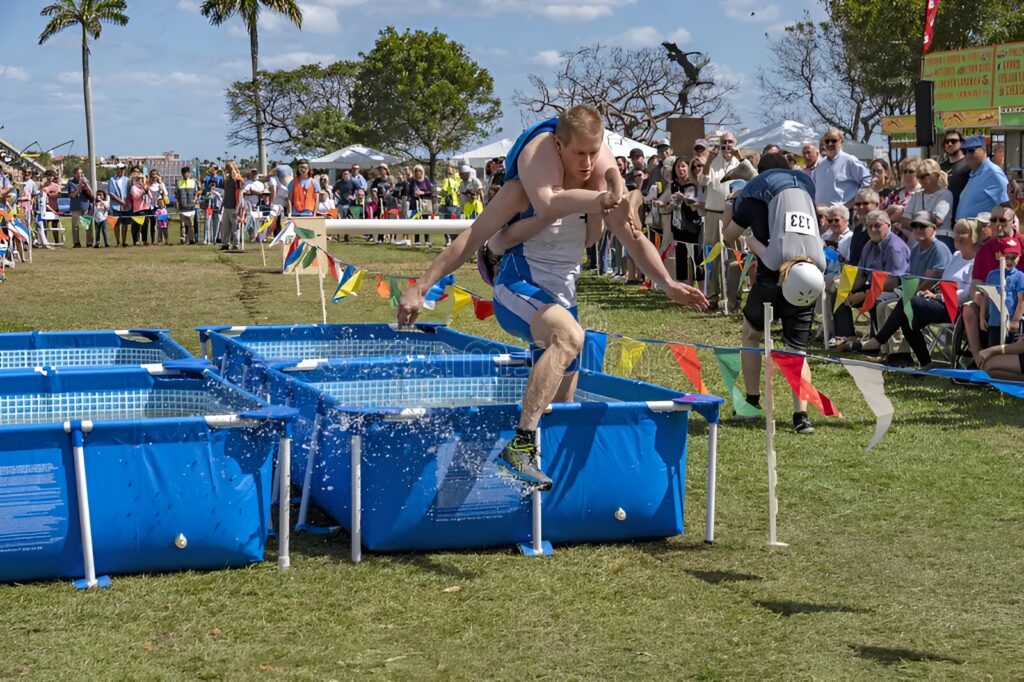
A man must carry his partner — in any position, though the “Estonian carry” (woman upside down, legs over shoulders) dominates — through an obstacle course of sand, water, and absurdity.
What It Feels Like to Witness
There’s comedy. There’s genuine athleticism. There’s a surprising amount of water-related suffering.
The Prize?
Your wife’s weight in beer. Finland takes hydration seriously.
Cultural Insight
Finland’s national personality leans toward humor wrapped in stoicism. They’ll do a ridiculous contest, but they’ll do it efficiently.
Travel Tips
• The event takes place in July
• Couples from all over the world compete — you can sign up
• Bring a waterproof bag unless soggy phones excite you
3. La Tomatina — Spain’s Tomato Battlefield
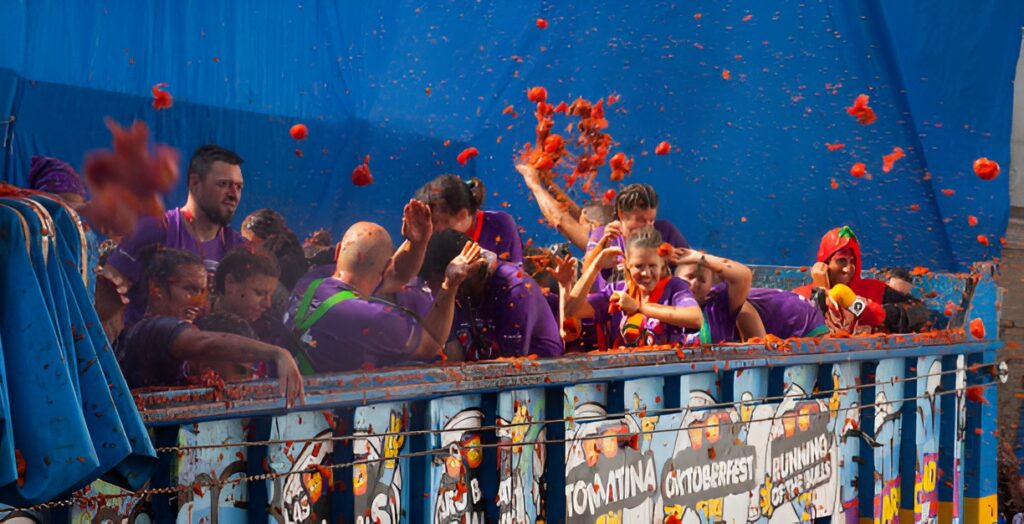
This festival in Buñol is the world’s largest, most chaotic food fight. What began as a local dispute in 1945 turned into a full-blown tradition featuring 20,000 participants and over 100 tons of tomatoes.
The Experience
The first tomato flies. Then another. Within minutes, you’re in a red river of pulp. Everyone is smiling, slipping, and flinging produce like cartoon villains.
Cultural Insight
Spanish festivals are community-driven celebrations of life. La Tomatina is messy, outrageous, and overflowing with joy — a perfect snapshot of the country’s passion.
Travel Tips
• Wear goggles
• Old clothing only — everything gets ruined
• Don’t bring valuables unless you enjoy tomato-flavored electronics
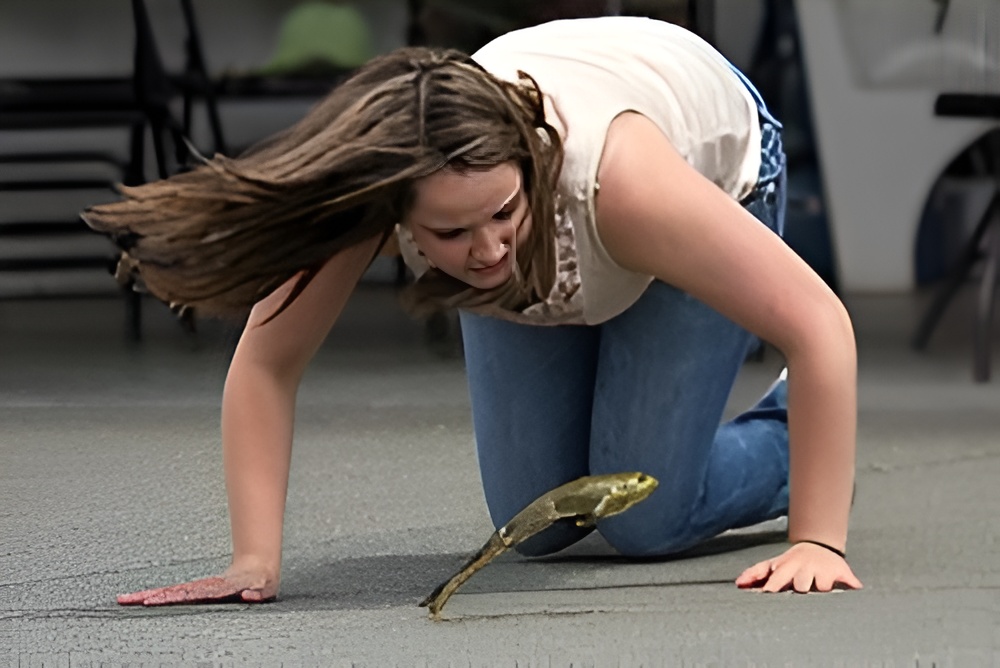
4. Frog Jumping Jubilee — USA’s Amphibian Olympics
Calaveras County in California hosts this quirky competition inspired by Mark Twain’s 1865 short story “The Celebrated Jumping Frog of Calaveras County.”
Yes, a piece of American literature evolved into a real sporting event.
The Event
Frogs are placed on a mat, encouraged (not forced) to jump forward, and whoever travels the farthest wins.
Travelers Describe It As:
Wholesome. Family-friendly. Slightly surreal. Like county fair meets biology class.
Cultural Insight
This is small-town America at its most charming — turning something simple into a beloved tradition.
Travel Tips
• Held every May
• No frogs are harmed
• You can “rent” competition frogs from trained handlers
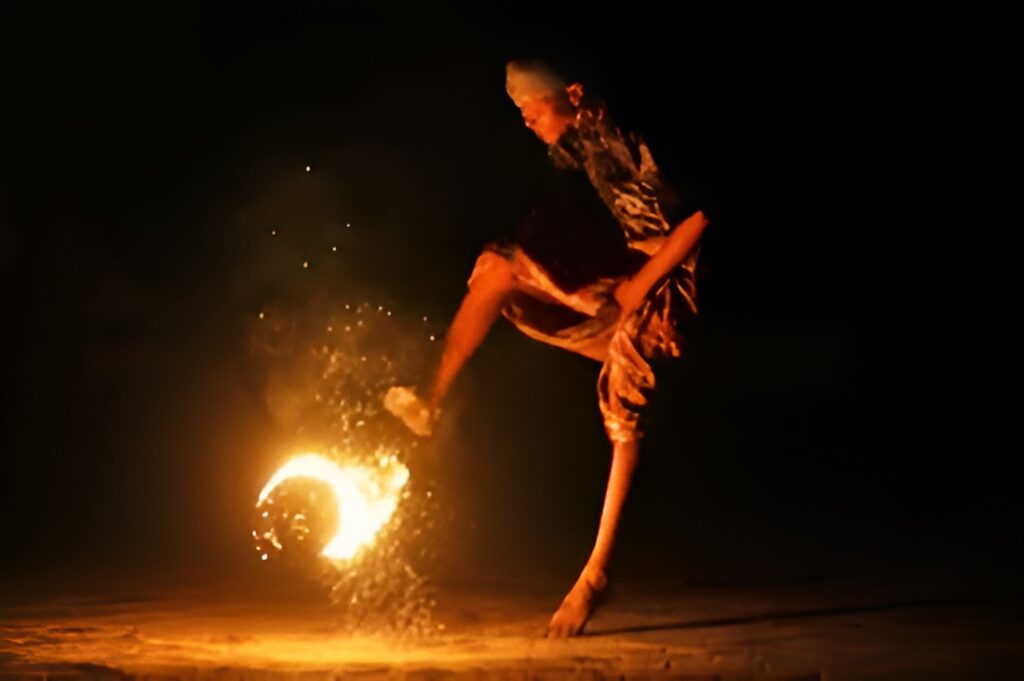
5. Fireball Soccer — Indonesia’s Fiery Ritual
No metaphor here. Indonesians actually play soccer using a flaming coconut shell. The tradition, often tied to spiritual cleansing rituals, is practiced during celebrations leading up to Ramadan.
The Event
Players soak the coconut in kerosene, ignite it, and kick it barefoot. It’s believed the ritual brings courage and burns away negativity.
Cultural Insight
Indonesian festivals blend spirituality with physical expression. Fire symbolizes purification — and bravery.
Travel Tips
• Spectators stay at a safe distance
• Never attempt this unless you are part of the trained community
• It’s more ritual than sport — approach it with cultural respect
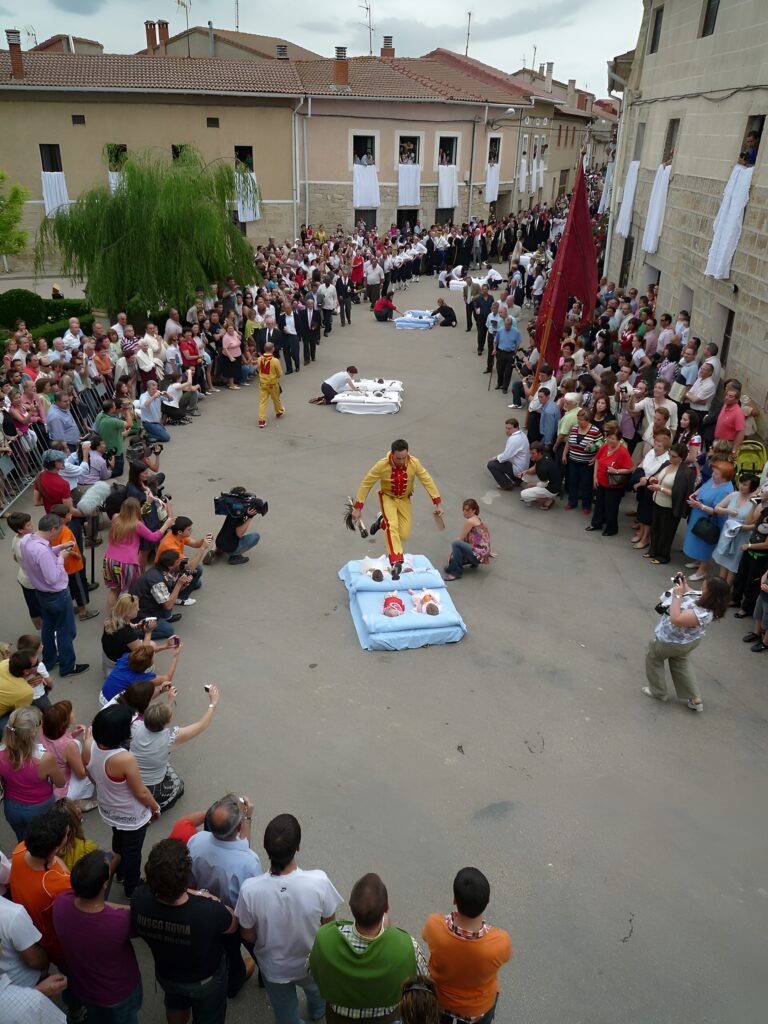
6. Baby Jumping Festival — Spain’s Strangest Blessing
Known as “El Colacho,” this tradition dates back to 1620 in Castrillo de Murcia. Men dressed as devils leap over rows of babies to cleanse them of original sin and bring good luck.
What It Feels Like to Watch
Equal parts adorable and heart-stopping. The babies seem unfazed. The parents? Probably sweating more than the devil-costumed jumpers.
Cultural Insight
It’s a blend of Catholic ritual and Spanish street performance — spiritual yet theatrical.
Travel Tips
• Usually held in June
• Events are crowded — arrive early
• Take respectful photos (zoom in instead of pushing forward)
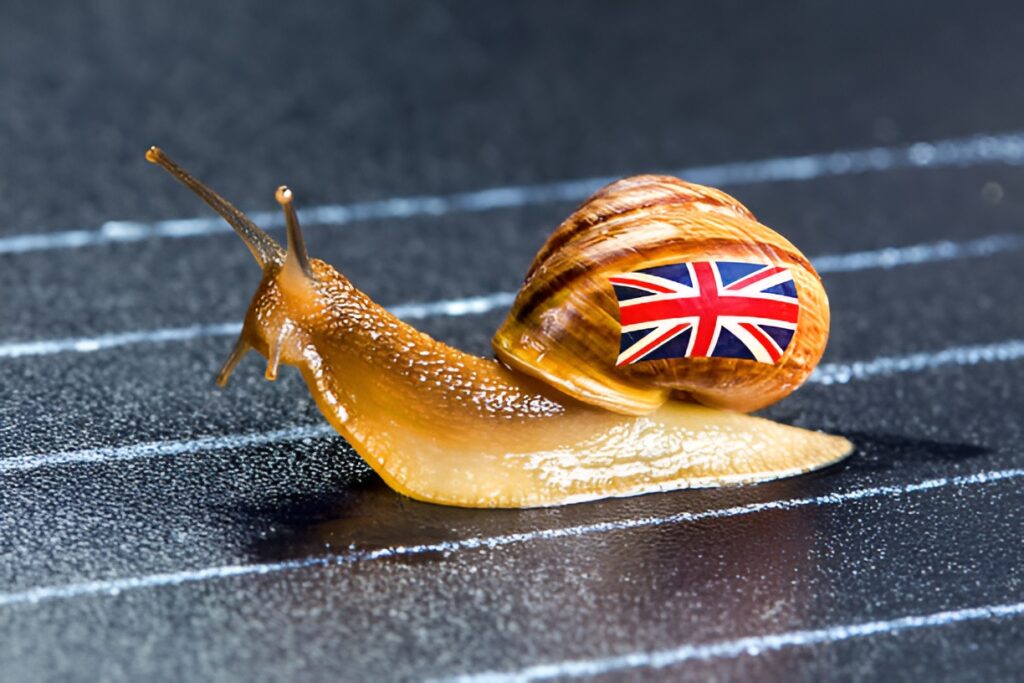
7. World Snail Racing Championship — England, You’re at It Again
Congham village hosts a snail race every summer on a damp cloth circle labeled “Start” in bold letters that the snails absolutely do not care about.
The Event
Snails, each with a sticker-number on their shell, inch toward the boundary. It takes about two minutes… if you’re lucky.
Cultural Insight
The British adore eccentric traditions that embrace nature, humor, and community fun.
Travel Tips
• Kids love this event
• Bring your own snail… but it will be inspected for doping (yes, really)
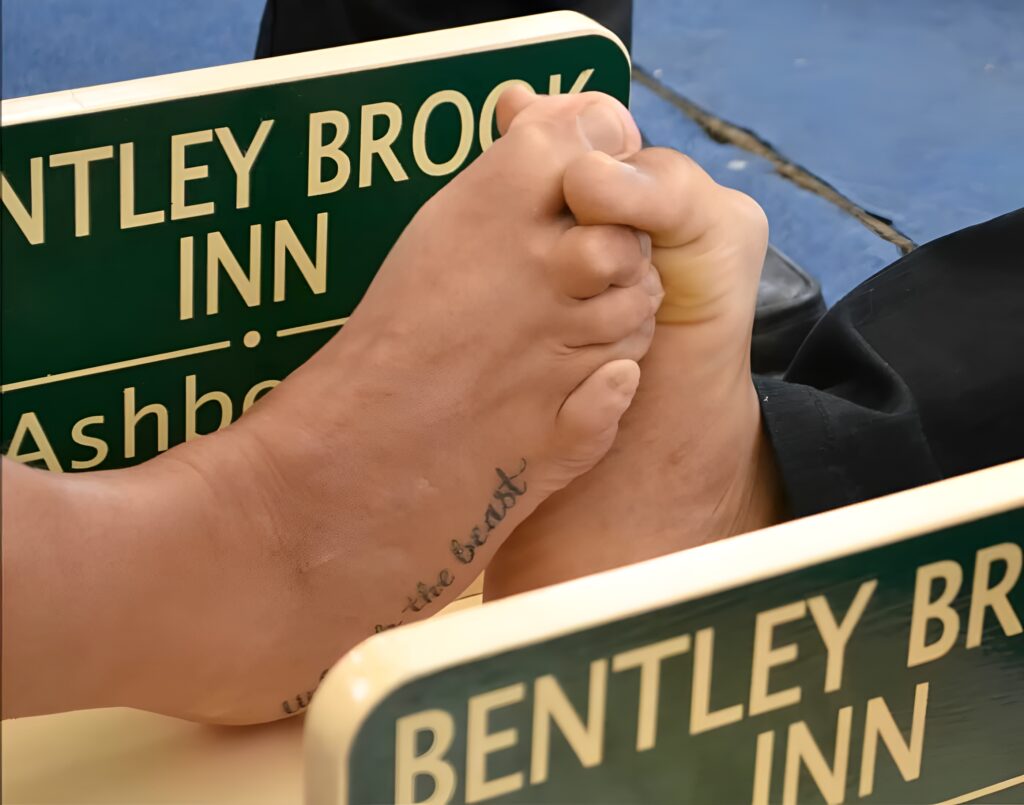
8. Toe Wrestling — England’s Foot-Fueled Mortal Kombat
Invented in the 1970s, this sport is exactly what it sounds like: two competitors lock toes and try to force the other’s foot down.
The Event
Think arm wrestling, but with toes. Also think: I didn’t know feet could be this competitive.
Cultural Insight
There’s a delightful British charm in turning anything into a regulated sport — even toes.
Travel Tips
• No socks allowed
• There are official championships
• Keep sanitizer handy for reasons we don’t need to explain
9. Broom Throwing — Italy’s Quirky Village Tradition
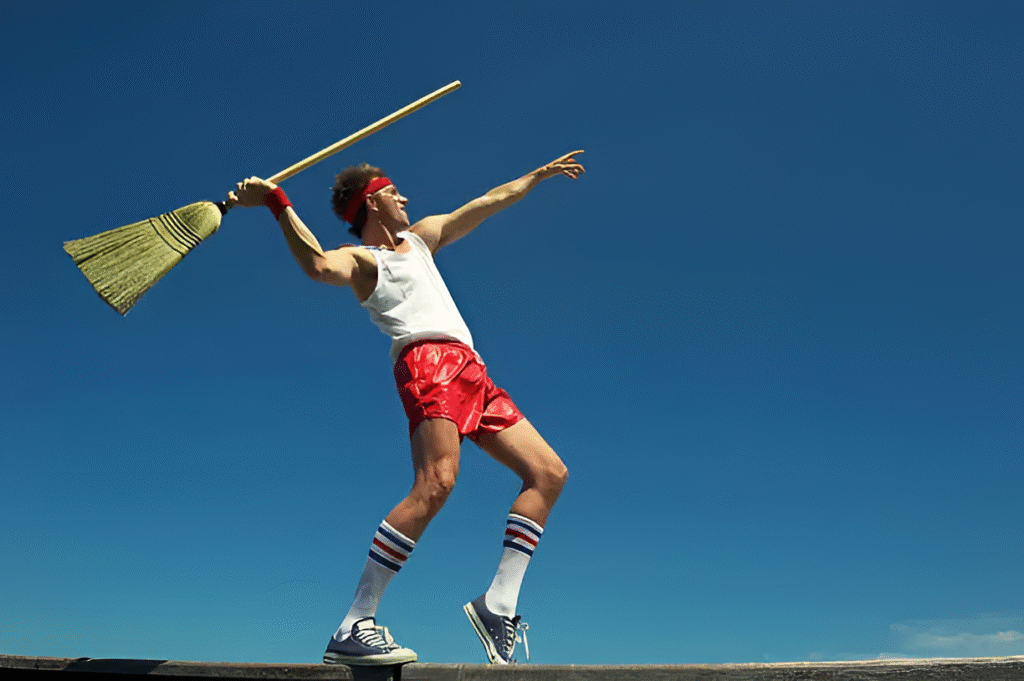
In Cocullo, residents compete to throw brooms to drive away evil spirits. Over time, it morphed into a lighthearted village contest.
The Event
People of all ages gather in the town square to toss handcrafted brooms as far as they can.
Cultural Insight
Italy embraces rituals where superstition and community bonding weave together into colorful celebrations.
Travel Tips
• Held as part of village festivals
• Great for photographers
• Expect local food stalls and music
The Human Stories Behind the Competitions
These competitions may look bizarre, but there’s always a deeper meaning hiding behind the theatrics.
These competitions teach us:
• Ritual brings communities together
• Humor can be sacred
• Fearlessness isn’t always serious — sometimes it’s silly
• Tradition survives because it connects people across generations
Travelers who attend these competitions often describe them as some of their most memorable experiences — not because they’re strange, but because they’re human.
If You Want to Explore More Cultural Oddities Around Countries…
• The World’s Strangest Museums — From Hair Collections to Toilet Shrines
• The Strangest Superstitions You’ll Only Find in 10 Countries
Leave a Reply