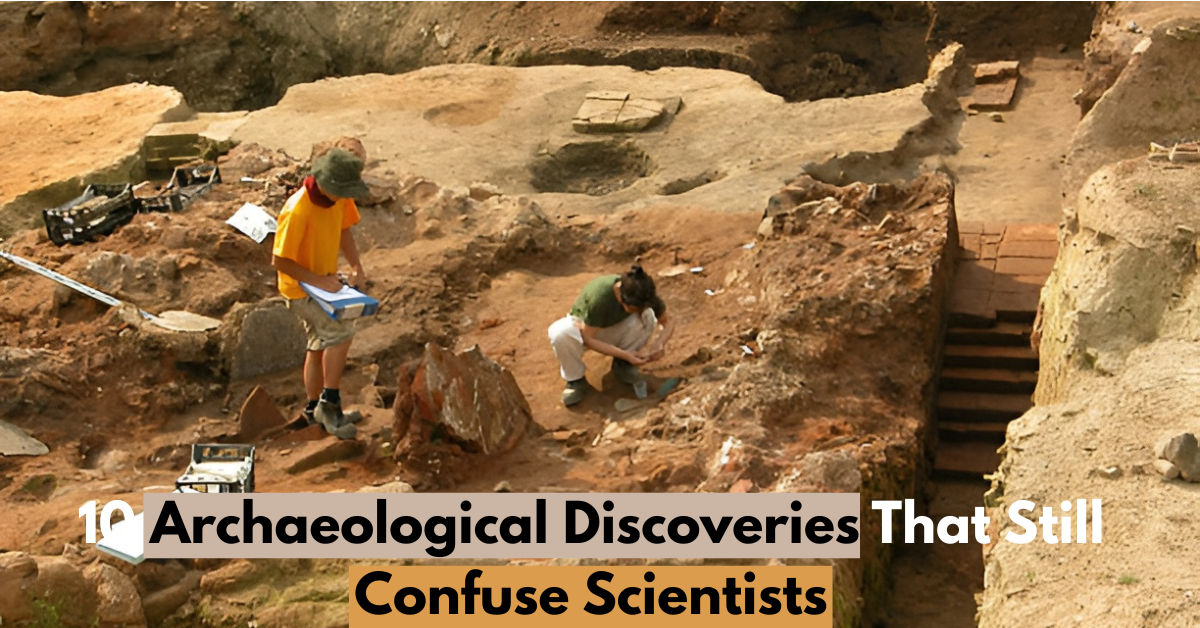
Some Archaeological discoveries rewrite history books.
Others make scientists sit there, stare at the thing, and collectively go, “…huh?”
Here are ten real-life archaeological discoveries from around the world that have scientists scratching their heads harder than a student before finals week.

1. The Antikythera Mechanism – Greece
The world’s first analog computer — found in a 2,000-year-old shipwreck.
This little bronze contraption tracked the movements of planets and predicted eclipses.
How did ancient Greeks make a device so advanced that it took us until the 20th century to understand it?
Answer: they were apparently more Tony Stark than toga-wearers.
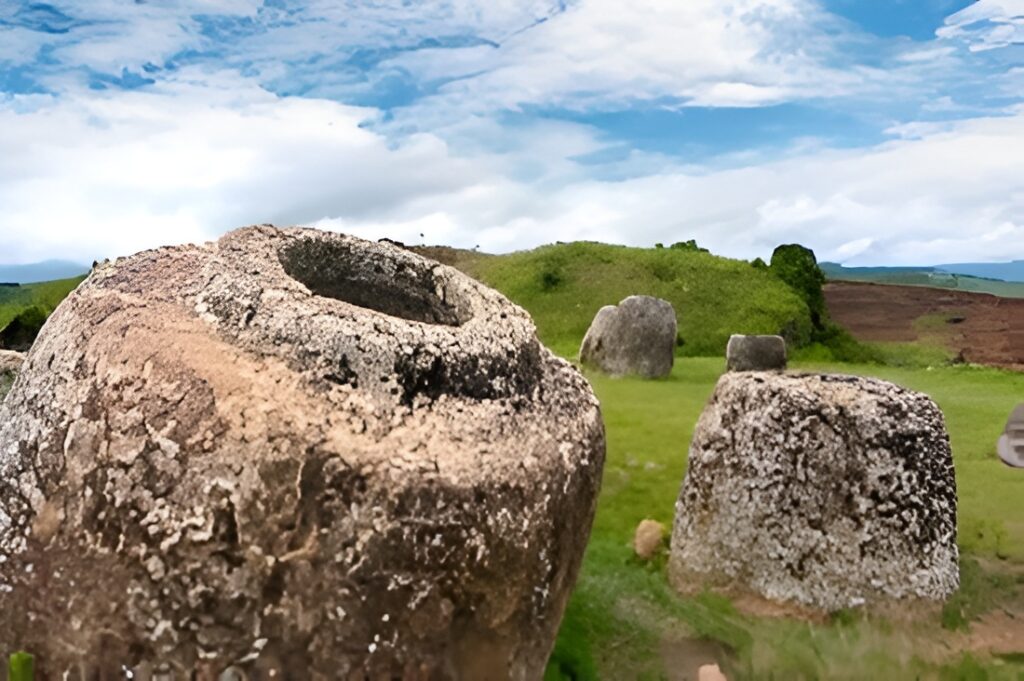
2. The Plain of Jars – Laos
Scattered across Laos are thousands of giant stone jars, each weighing up to several tons.
No inscriptions, no clear origin, no user manual.
Were they ancient burial urns? Wine vats? Alien snack bowls?
Nobody knows — but they’ve been chilling there for over 2,000 years.
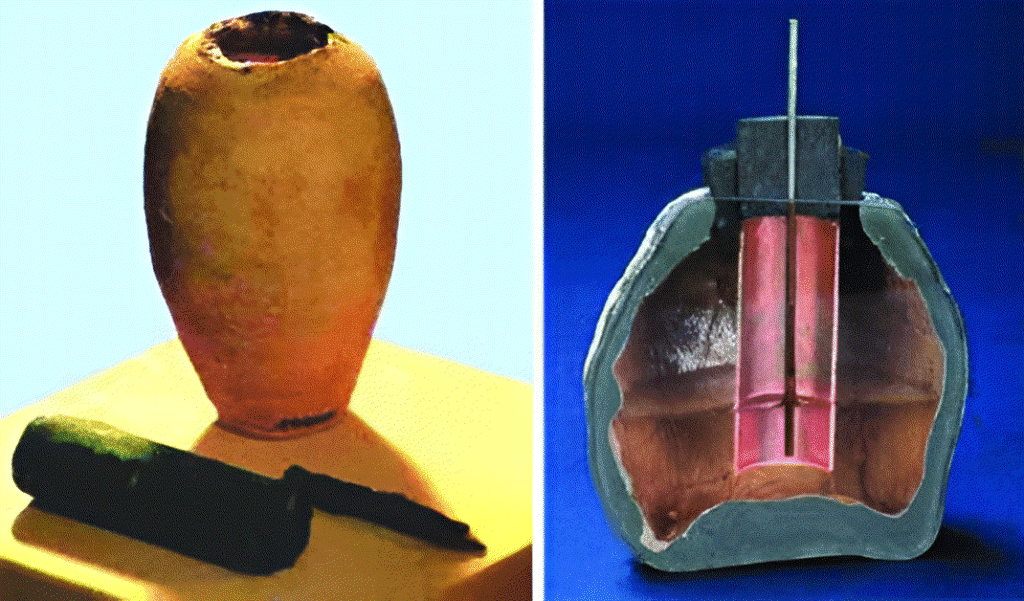
3. The Baghdad Battery – Iraq
Found near Baghdad, these 2,000-year-old clay jars contained copper cylinders and iron rods.
Some scientists think they were primitive batteries — meaning Mesopotamians might’ve had electricity before Edison was a twinkle in time’s eye.
Others say… nah, maybe just storage jars. The debate is still charged. ⚡
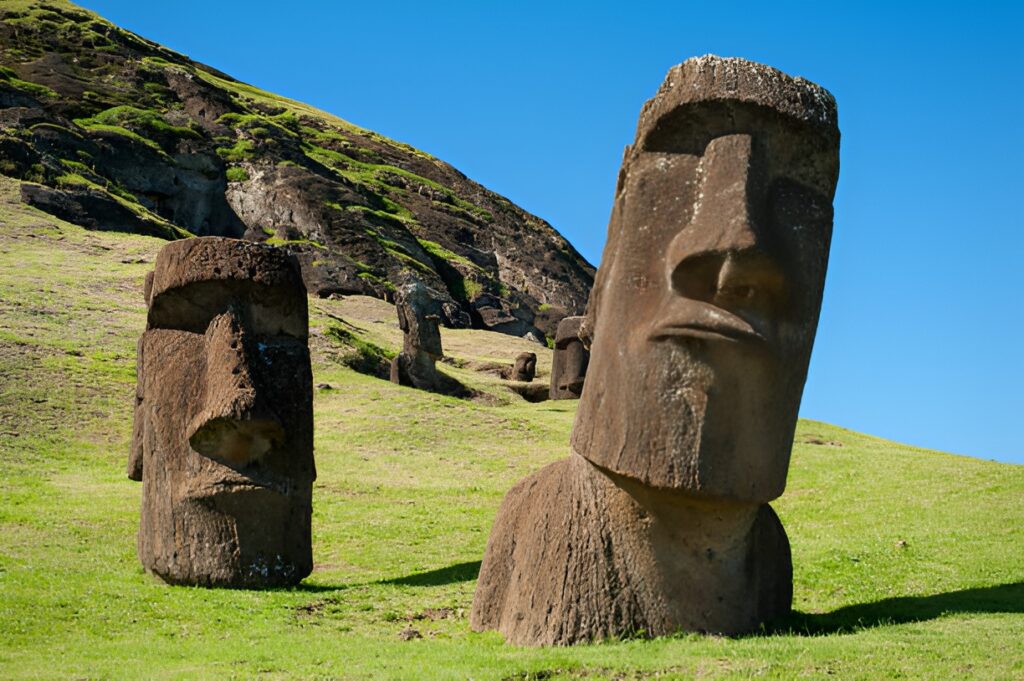
4. The Moai of Easter Island – Chile
Everyone knows the giant stone heads — but did you know they have full bodies buried underground?
How they were carved, moved, and placed without modern tools is still one of archaeology’s biggest puzzles.
Apparently, teamwork really can move mountains.
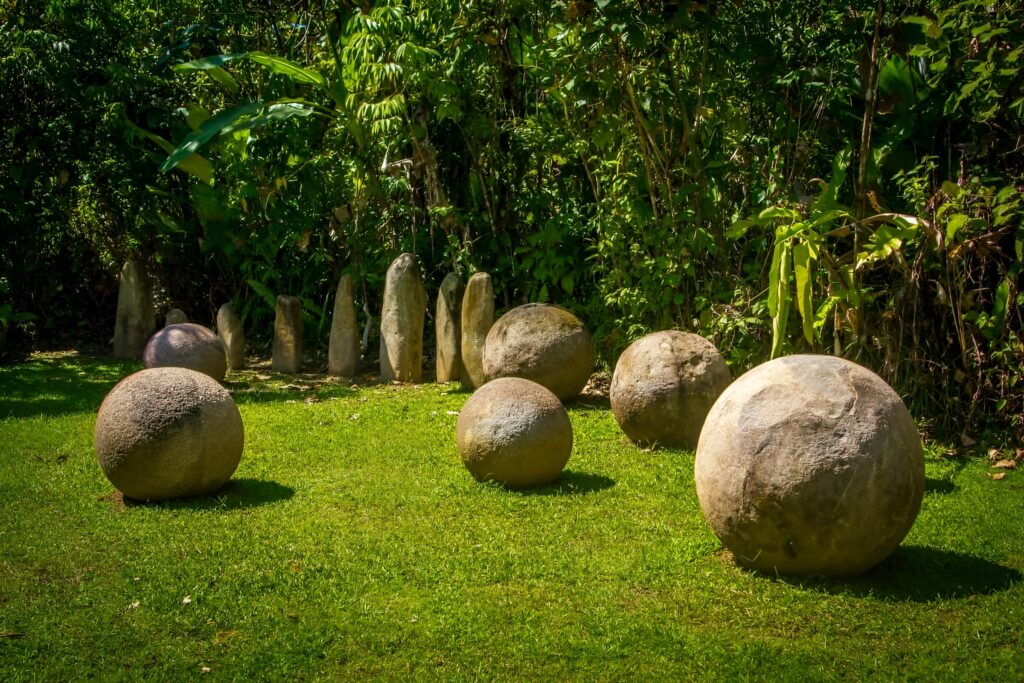
5. The Stone Spheres of Costa Rica
Perfectly round stone balls, scattered all over Costa Rica’s jungles.
Carved between 500 and 1500 CE — and no one knows by who, why, or how they got them so flawlessly spherical.
Seriously, even modern machines struggle with that precision.
Ancient geometry was clearly on point.
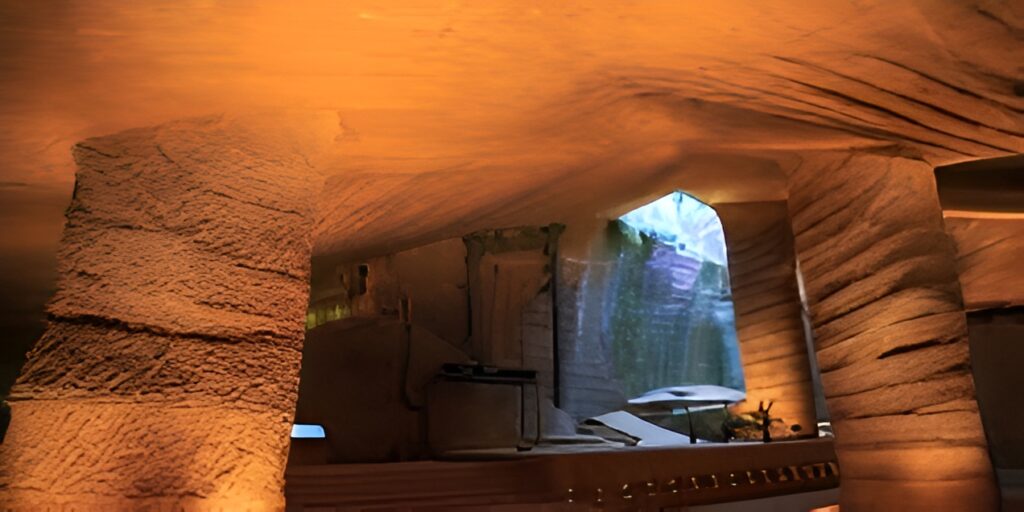
6. The Longyou Caves – China
Massive hand-carved caverns in eastern China, estimated to be over 2,000 years old.
Each wall is perfectly symmetrical and smoothed to near perfection — yet no records mention their construction.
Imagine carving an underground palace by hand and no one writes it down. That’s either secret society levels of quiet or the world’s biggest case of “lost the receipts.”
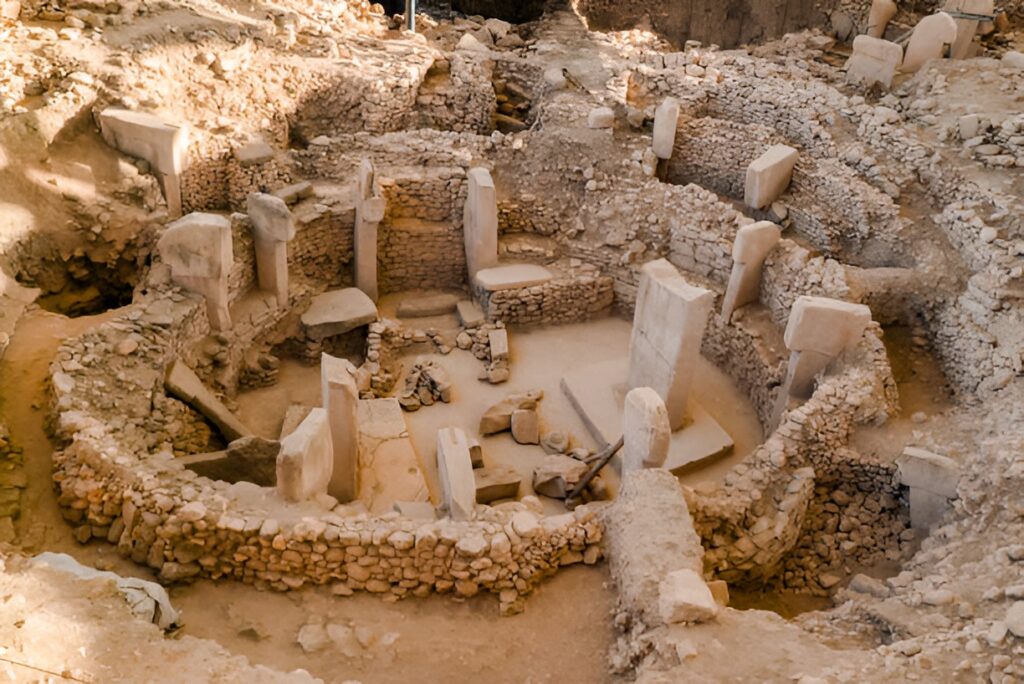
7. Göbekli Tepe – Turkey
This one flipped history on its head.
Built around 9600 BCE — thousands of years before Stonehenge — with massive carved pillars depicting animals and gods.
It suggests complex religion existed before farming did.
Basically: “Before we learned to grow food, we built a temple.” Priorities, apparently.
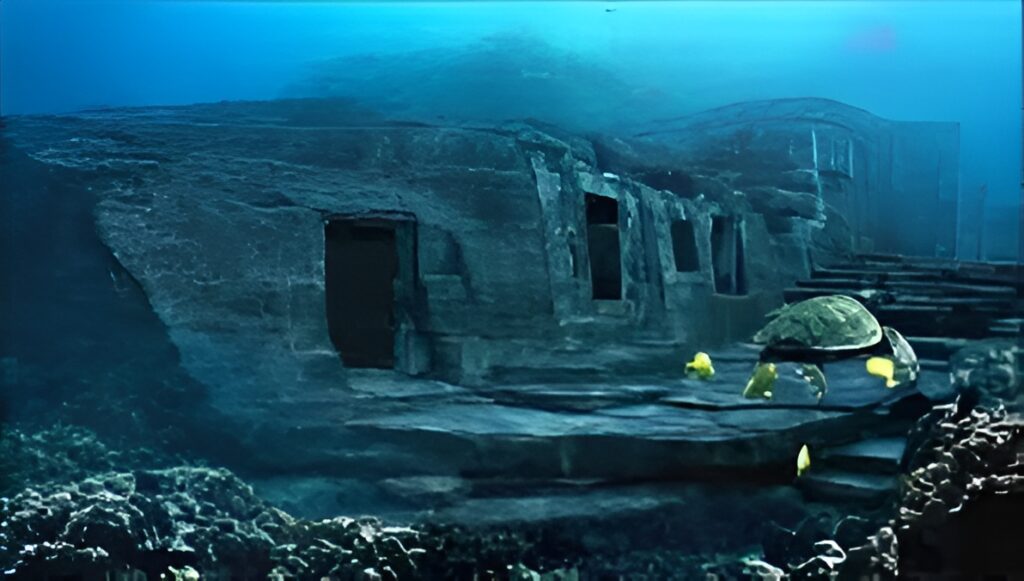
8. The Yonaguni Monument – Japan
Off Japan’s coast lies an underwater “pyramid” — complete with terraces, steps, and pillars.
Natural formation or lost civilization? Scientists are split.
Some say it’s a geological fluke, others swear it’s Atlantis’ East Asian cousin.
Either way, it’s beautiful and baffling.
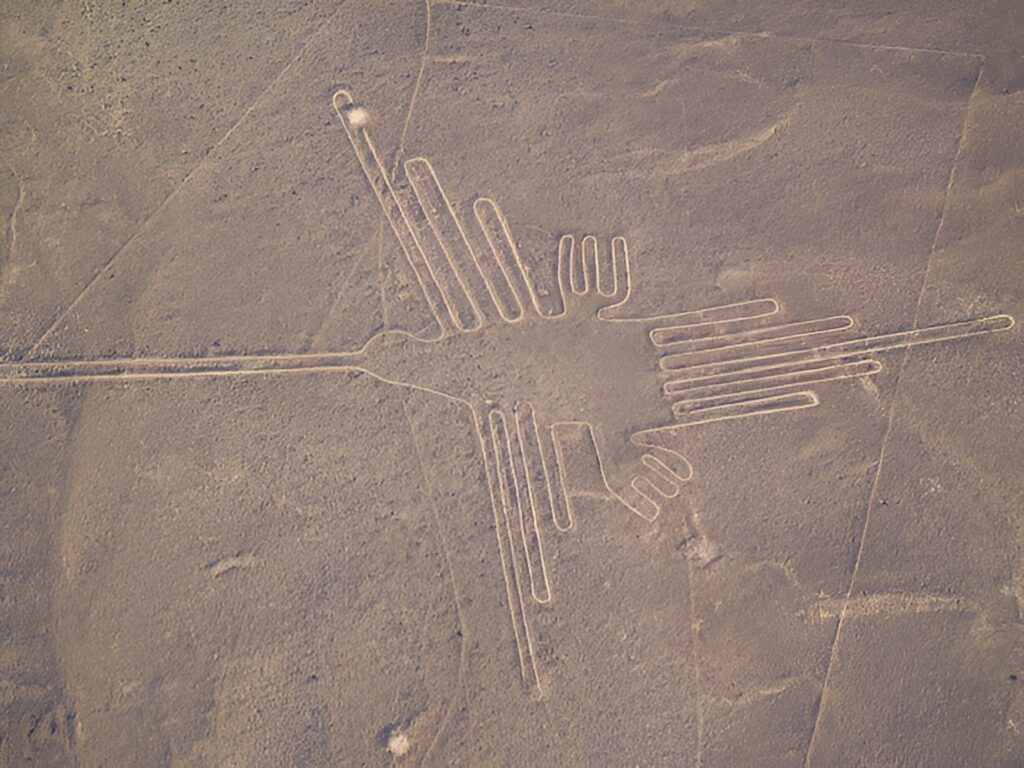
9. The Nazca Lines – Peru
Massive drawings etched into Peru’s desert floor — some spanning hundreds of meters.
From the ground, they’re just lines. From the sky — intricate animals, gods, and shapes.
So… how’d ancient people make aerial art before drones?
The mystery’s still flying high.

10. The Great Pyramids of Giza – Egypt
Let’s be honest: we still have no idea how they did it.
Over 2 million limestone blocks, each weighing tons, stacked perfectly 4,500 years ago.
Every generation of scientists finds new clues — but the precision still defies modern logic.
Aliens? Nah. Ingenious humans? Absolutely. But still… HOW.
Conclusion About These Archaeological Discoveries
From electric jars to underwater cities, these archaeological enigmas remind us that history isn’t a straight line — it’s a maze filled with weird, brilliant, “wait, that can’t be right” turns.
For every answer unearthed, a dozen new questions rise from the dust.
And maybe that’s the beauty of it — mystery keeps history alive.
If you are feeling lucky and want to randomly decide which Countries from Europe to travel to, for your archaeological journey, then click here to go to our random European country generator.
Leave a Reply