
Fame may be global, but how it works? Oh, that’s pure chaos.
In one country, celebrities are worshipped like gods; in another, they’re just people who occasionally show up on talk shows looking tired. Fame is a universal drug — but every culture mixes its own batch.
Let’s take a quick, brutally honest tour of how different corners of the world handle celebrity culture, and why fame abroad hits… just different.

United States – The Celebrity Factory
America doesn’t just create celebrities — it manufactures them like Tesla cars. Hollywood, social media, and a 24/7 news cycle mean anyone can go from barista to billionaire influencer overnight.
Fame here is business.
Celebrities endorse everything, from politics to breakfast cereal. Paparazzi chase them. Cancel culture crowns and dethrones them. And the American dream? It’s basically “get famous, then monetize your trauma.”
🧠 Cultural takeaway: Fame in the U.S. = money, exposure, and headlines. The line between fame and infamy? Thin. Like a Kardashian’s lip gloss.
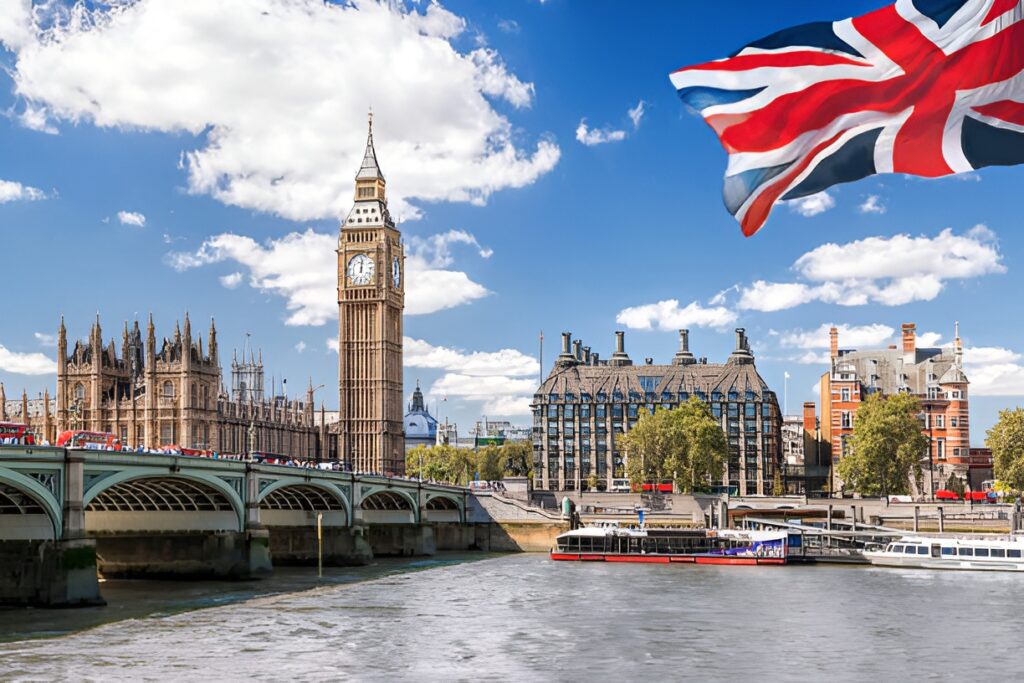
United Kingdom – Aristocracy Meets Tabloid Drama
The Brits treat celebrities like part of the monarchy — sometimes literally.
There’s the actual Royal Family, who are the OG influencers, and then there’s a class of celebs that rotate between BBC talk shows and scandalous headlines in The Sun.
British fame is polite on the surface but messy underneath. Everyone pretends not to care — while secretly obsessed.
🧠 Cultural takeaway: Fame in the U.K. = subtle superiority and tea-spilled scandals. It’s not about how famous you are, but how many times you’ve been roasted on “Have I Got News For You.”
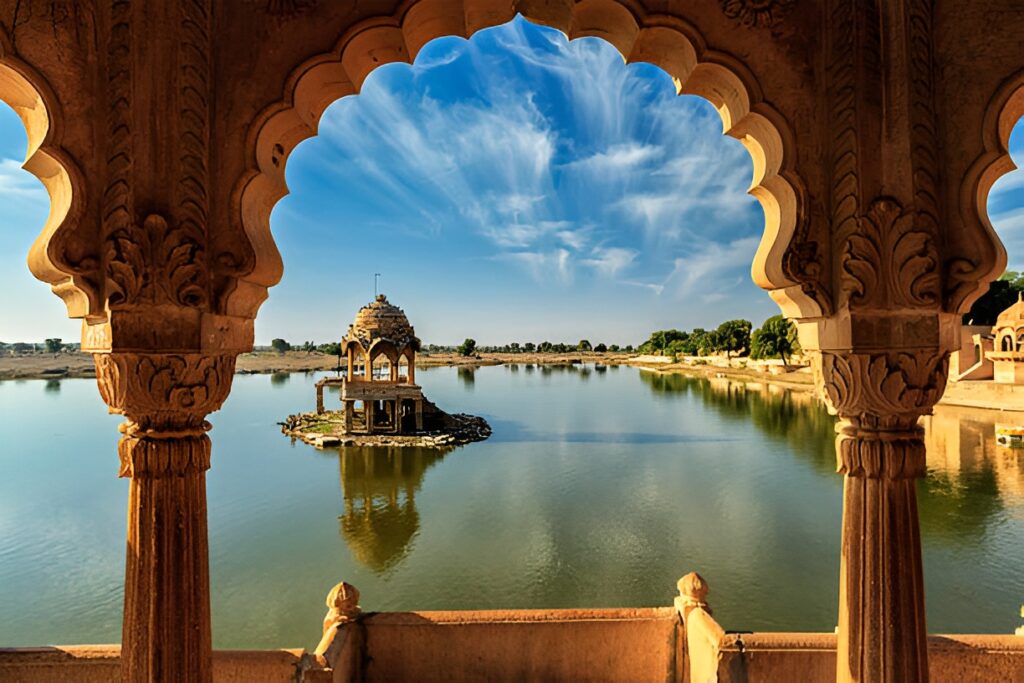
India – Bollywood, Cricket, and Divine Stardom
In India, celebrity worship is practically a religion.
Bollywood stars are adored like gods — people build shrines for them, pray for their success, and cry at their weddings. Cricket players? Same deal. You might get booed for insulting Virat Kohli more than a politician.
It’s emotional, it’s intense, it’s fandom culture turned up to 300%.
🧠 Cultural takeaway: Fame in India = divine devotion. Celebs aren’t admired; they’re worshipped — and if you mess with one, may the Twitter mobs have mercy on your soul.
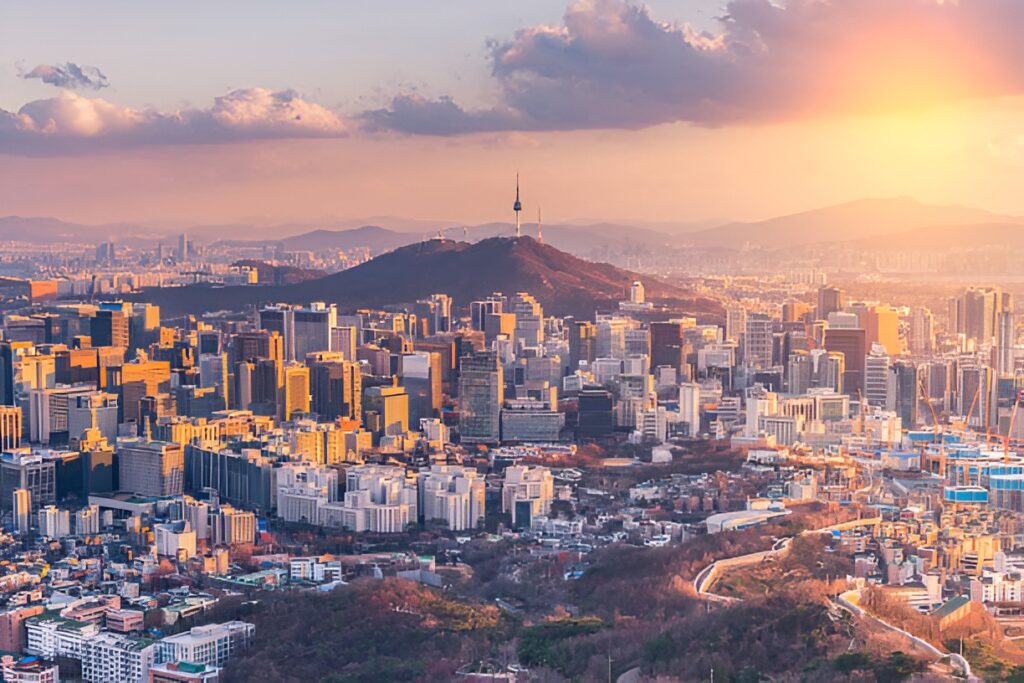
South Korea – The Idol System
K-pop idols are crafted through years of training, discipline, and aesthetic perfection. Fame in South Korea isn’t spontaneous; it’s engineered.
Fans are fiercely loyal — they buy albums in bulk, organize birthday billboards, and sometimes, uh… monitor airport schedules.
But fame here is double-edged — idols are expected to maintain perfect images, or risk being “canceled” by the same fans who made them famous.
🧠 Cultural takeaway: Fame in Korea = performance and perfection. Every move, smile, and hairstyle is part of the brand. Slip once, and it’s a national event.
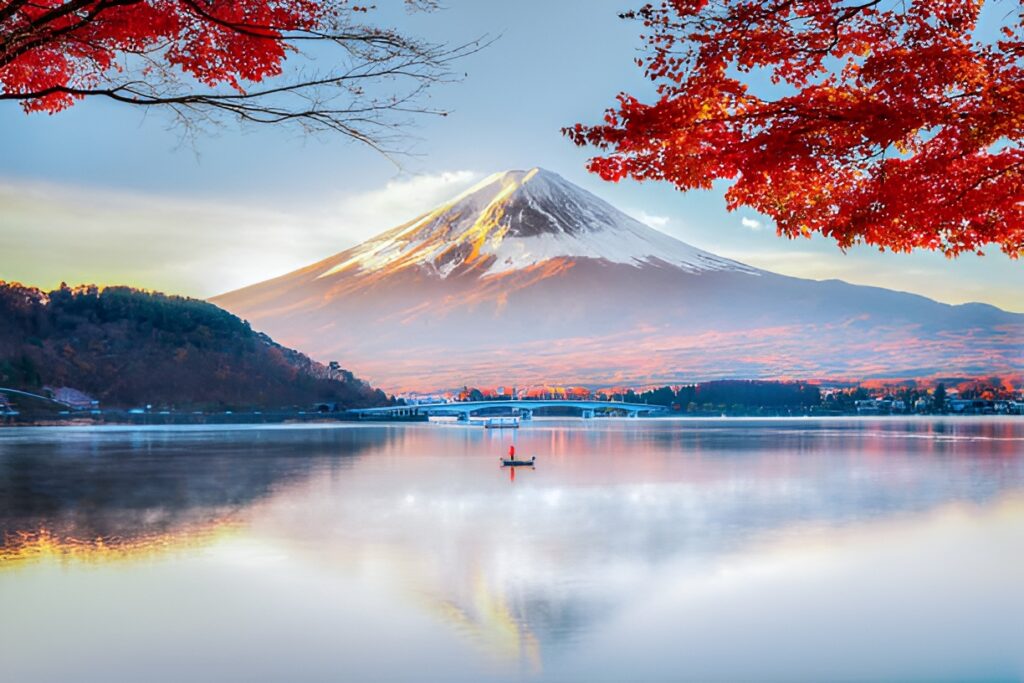
Japan – Controlled Fame and Polite Distance
In Japan, even major celebrities often keep a low profile. Privacy is sacred, and fans generally respect boundaries — you’ll rarely see paparazzi hounding actors at grocery stores.
Idols exist here too, but the culture leans toward admiration without intrusion. Still, scandals — especially moral ones — can end a career overnight.
🧠 Cultural takeaway: Fame in Japan = politeness meets pressure. Everyone loves you… quietly.
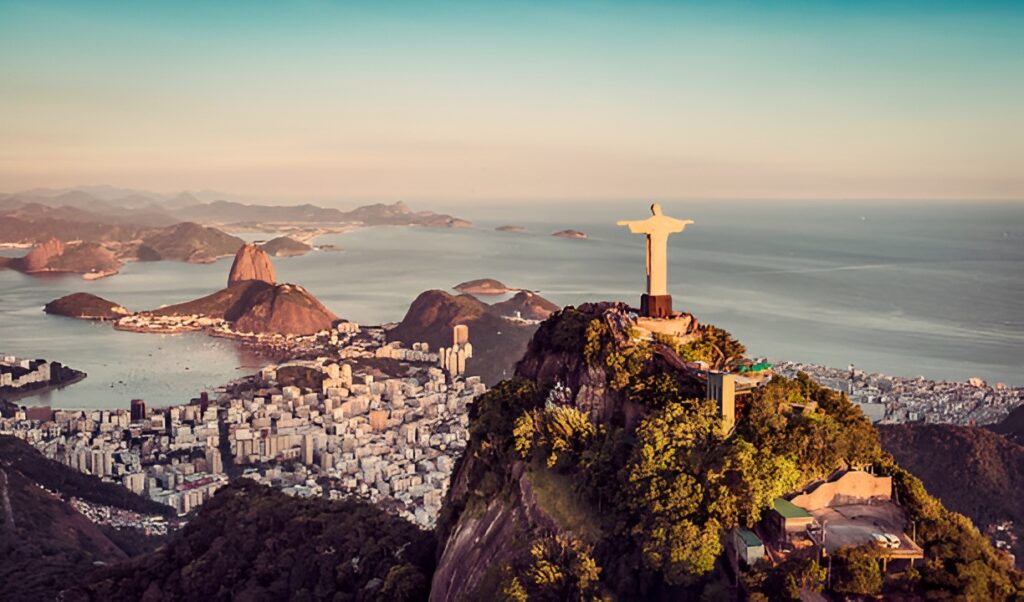
Brazil – Passion, Personality, and Pop Stardom
Brazilians love charisma. Whether it’s footballers, soap opera actors, or pop singers — fame thrives on connection and attitude.
Brazilian celebs are accessible. They talk to fans, act goofy online, and aren’t afraid of being real. But mess up, and the media will turn your drama into a samba parade.
🧠 Cultural takeaway: Fame in Brazil = fiery, friendly, and full of flair. It’s about vibe as much as talent.

France – Fame Through Artistry
France doesn’t do “celebrity” the way others do. Fame here often comes from art, not popularity.
Actors, philosophers, authors, even chefs — they get respect for depth, not selfies. Reality stars exist, but they’ll never outshine an auteur or a thinker in French culture.
🧠 Cultural takeaway: Fame in France = intelligence, artistry, and mystique. Clout comes from class, not chaos.
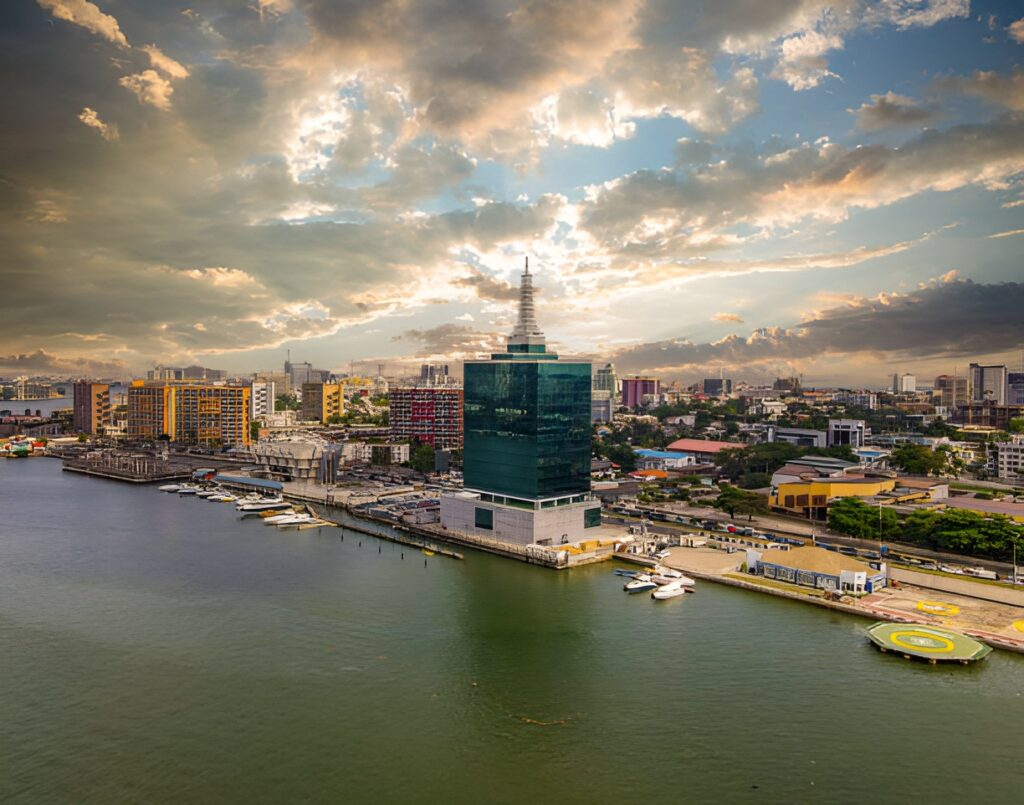
Nigeria – Nollywood’s Fame Explosion
Nollywood is massive — it’s the world’s second-largest film industry by volume. Nigerian celebrities are cultural powerhouses who mix modern fame with local influence.
They dominate TV, politics, music, and fashion. The fans? Extremely online, passionate, and vocal.
🧠 Cultural takeaway: Fame in Nigeria = visibility and voice. Stars aren’t just entertainers; they’re cultural leaders.
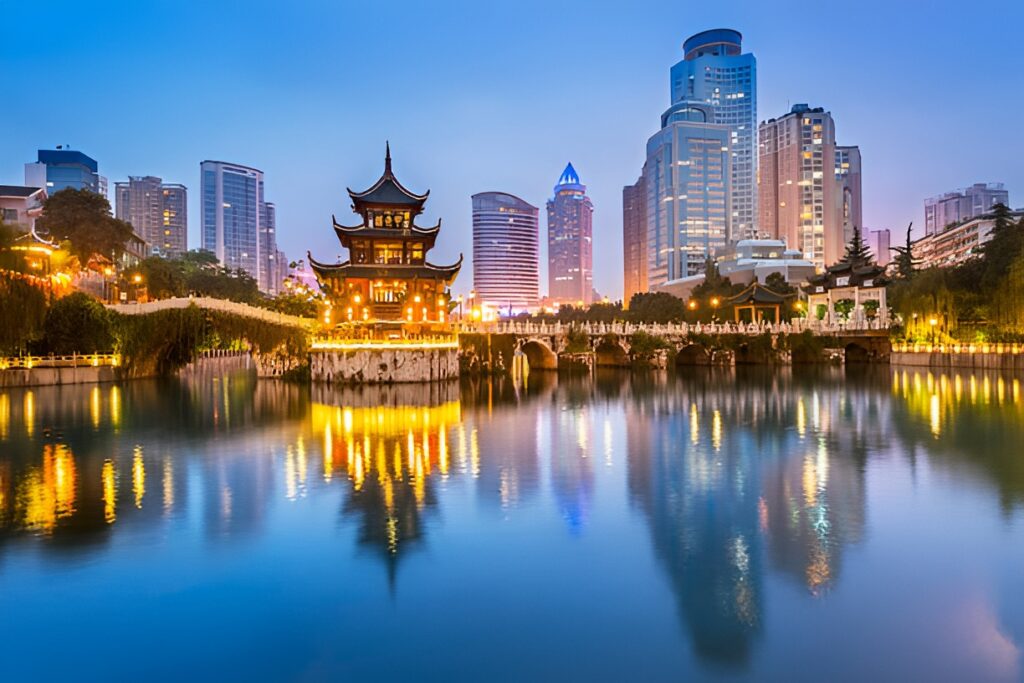
China – Fame Under Surveillance
Fame in China comes with rules — and lots of them. The state tightly controls media and celebrity behavior. Stars are expected to promote “positive energy” and patriotism.
One scandal? You might get digitally erased. Literally.
🧠 Cultural takeaway: Fame in China = power with strings attached. Be famous, but not too free.
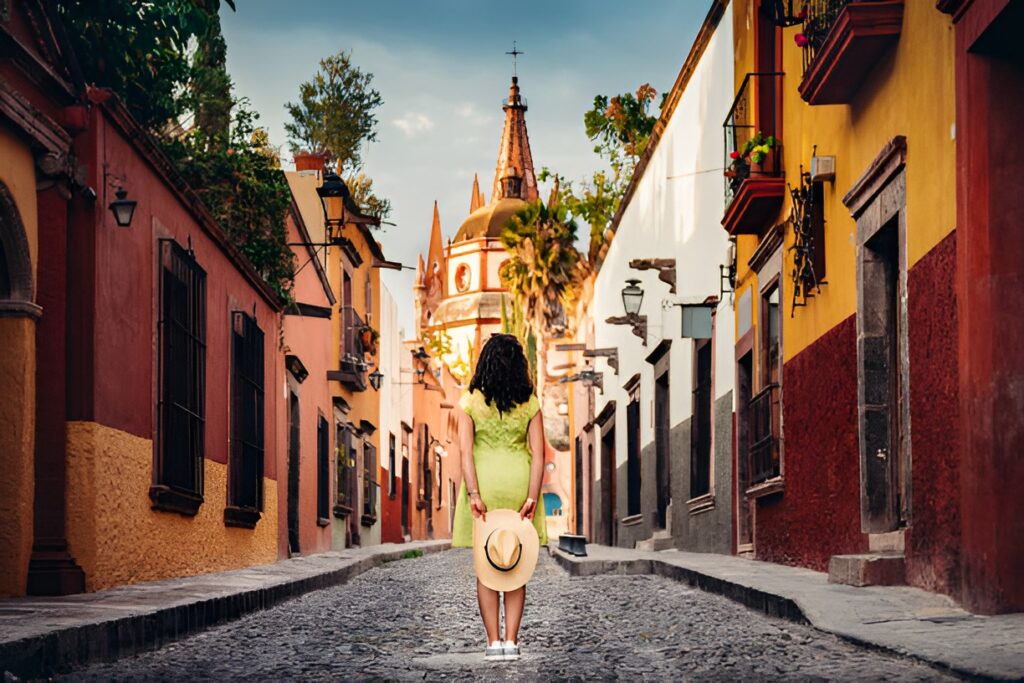
Mexico – Telenovela Royalty and Real-World Icons
Mexican celebrities — especially telenovela actors and singers — are cultural royalty. Their faces are everywhere, and their personal lives are tabloid gold.
But there’s also deep affection — people grow up with these stars, making them feel like family.
🧠 Cultural takeaway: Fame in Mexico = familiarity. The line between “celebrity” and “beloved neighbor” is blurrier than a soap opera plot twist.
🎬 So What Does Fame Mean in the Celebrity Culture of Different Countries?
Fame isn’t universal. It’s a mirror reflecting what each culture values:
- America: success
- U.K.: wit
- India: devotion
- Korea: perfection
- France: sophistication
- Brazil: energy
- China: discipline
- Nigeria: influence
- Japan: respect
- Mexico: connection
Every country turns fame into its own language — and honestly, that’s what makes global pop culture so addictive.
If you are feeling lucky and want to randomly decide which Countries from Europe to travel to, for your religious journey, then click here to go to our random European country generator.
Leave a Reply