
Every country’s got that one rule that makes you go, “Who hurt you?” From banning chewing gum to forbidding reincarnation, the world is a minefield of bizarre laws that sound like they were written during a full moon.
So before you pack your bags and accidentally become an international criminal — here are some of the weirdest laws around the world, and how to stay on the right side of them.

Singapore – The Great Chewing Gum Ban
Singapore is famously clean, orderly, and efficient — and a lot of that is thanks to its strict regulations. The ban on the sales and importation of chewing gum (except medicinal) is probably one of the most talked-about rules. In 1992, it was introduced to prevent litter of gum on public transport and sidewalks.
The thing that is remarkable is how the law shaped behavior: chewing gum is almost taboo in public, and breaking the rule can cost up to $1,000.
Traveler Tip: Stock up on sugar-free mints instead, and consider the ban a window into Singapore’s prioritization of civic responsibility over convenience.

Japan – No Dancing After Midnight (Well, Kinda)
Sometimes in Japan, tradition and superstition combine in some unlikely ways. An older and still somewhat current belief has been that sleeping with your head facing north invites misfortune, even death. Why? Well, corpses in funerals lie with their heads pointed north, and sharing this orientation in life is thought to be unlucky.
Though many Japanese people today don’t strictly follow this, some beds are still aligned carefully to avoid the northern direction.
Traveler’s Tip: If staying in a traditional ryokan or Japanese home, note the bed orientation — locals may explain that sleeping north is best avoided.

Switzerland – Don’t Flush After 10 PM (Apartments Only)
Noise ordinances in Switzerland even extend to apartment plumbing: in many multi-story buildings, flushing toilets after 10 PM can technically violate noise laws meant to prevent disturbances. Though it’s more about respecting neighbors than legal enforcement, ignoring it could draw a sharp scolding.
Traveler Tip: Always check your Airbnb’s house rules in advance. A quiet flush could save both embarrassment and an awkward call from the landlord.

France – It’s Illegal to Name Your Pig “Napoleon”
French law also shields national symbols and historical figures, making for some bizarre taboos: calling a pig “Napoleon” is technically illegal, meant to prevent disrespect to the former emperor.
Traveler’s Tip: Travel throughout rural France, and whenever stumbling upon an environment with strange animal-related laws, think of it as a cultural curiosity to show people’s pride and historical consciousness.
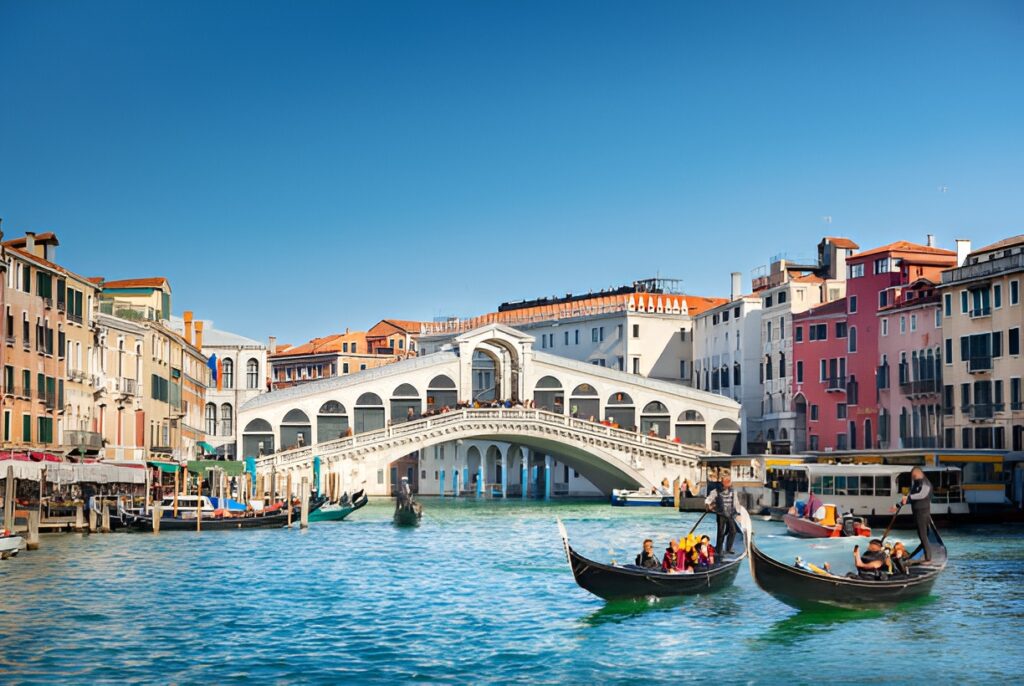
Venice, Italy – Feeding Pigeons? Big No-No.
Venice is beautiful, but pigeons are. persistent. In order to protect historical monuments and minimize filth, it is illegal to feed pigeons in St. Mark’s Square. A violation can result in fines.
Traveler Tip: Admire the pigeons from afar, and perhaps snap a photo or two — feeding them will be more likely to get you in trouble than land you the cute shot for your Instagram page.

Australia – Possessing More Than 50kg of Potatoes (Yes, Really)
Yes, seriously. It is illegal to have more than 50 kilograms of potatoes outside of authorized channels in Western Australia. Although intended to control the potato market, it has stayed on the books, a vestige of mid-20th-century agricultural policy.
Traveler Tip: Be sure to pack and carry snacks responsibly. And perhaps not plan a potato heist.

Thailand – Don’t Step on Money
Thai currency features the image of the king, and stepping on it is deeply disrespectful — and technically illegal. This reflects the cultural importance of monarchy in Thai society.
Traveler Tip: Be careful with Thai baht, for even accidentally stepping on a coin could be considered offensive.
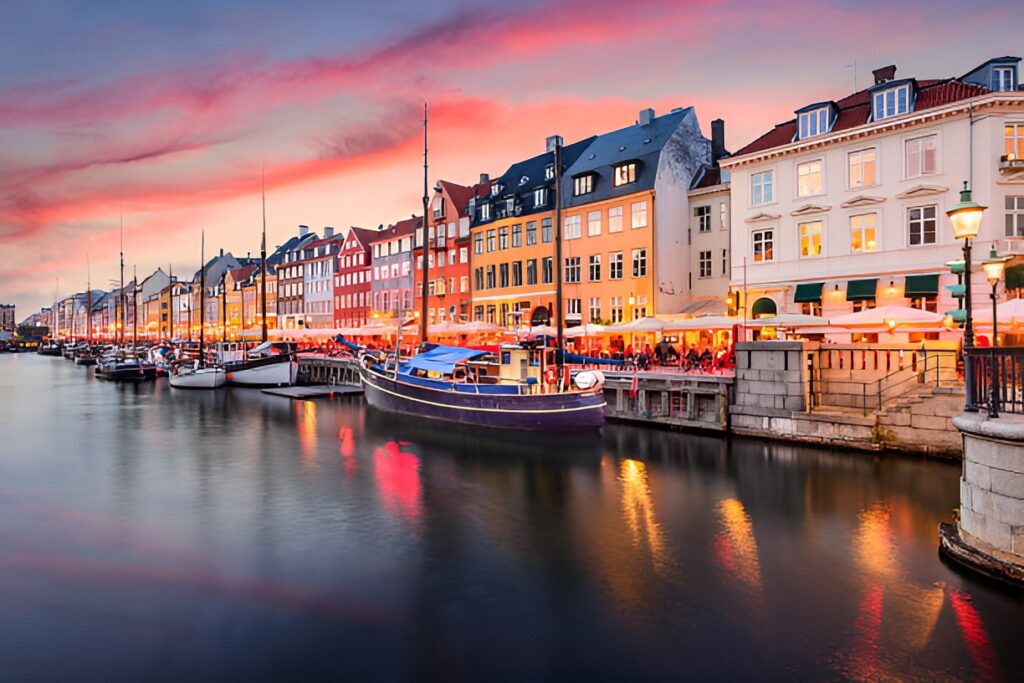
Denmark – You Can’t Start a Car If Someone’s Underneath It
Common sense meets law: in Denmark it is against the law to start a vehicle if someone is underneath it. The rule is both a safety precaution and a legal obligation – a sign of just how detailed European safety laws can get.
Traveler’s Tip: Always check under your car before starting it, especially in smaller towns where the local authorities might take the rule seriously.
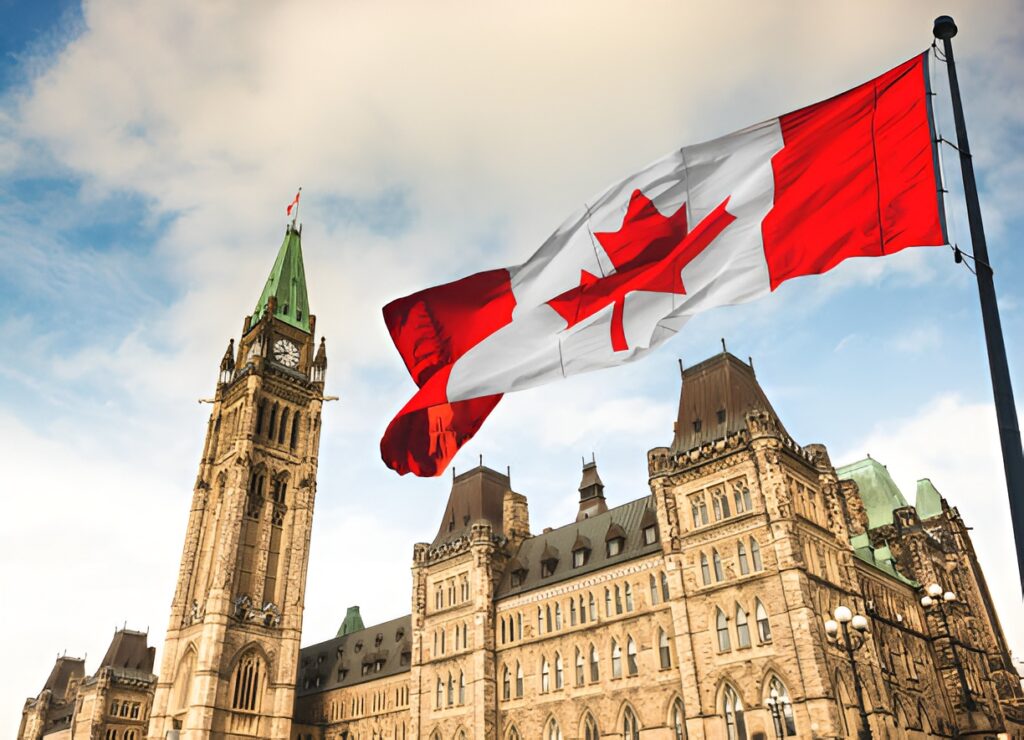
Canada – Don’t Pay in Coins
While all coins are legal tender in Canada, there are legal restrictions on paying large amounts with only one denomination-for example, $50 all in nickels. This is to prevent abuse or inconvenience in commercial transactions.
Traveler Tip: Have cash or cards ready for larger payments; save the coins for souvenirs or quirky DIY projects.

China – Reincarnating Without Permission Is Illegal
One of the weirdest laws relates to religion: the Chinese government enacted a regulation in 2007 that required Buddhist monks to get permission to reincarnate. The law basically aims at controlling religious influence, particularly with regard to the selection of high-ranking lamas.
Traveler’s Tip: Be respectful of local places of worship, and know the cultural reasons behind rules and regulations about spiritual practices.
🧳 Wrapping Up The Weirdest laws — Obey the Weird
These laws might sound like jokes, but they’re still on the books around the world. The world is full of quirky rules born from history, tradition, or just plain bureaucratic oddities.
So when you travel, remember: what’s harmless back home could be a legal nightmare somewhere else. Research before you roam — or risk starring in the next season of “Locked Up Abroad: The Comedy Edition.”
If you are feeling lucky and want to randomly decide which Countries from Europe to travel to, for your journey to check out these any of these weirdest laws around the world, then click here to go to our random European country generator.
Leave a Reply