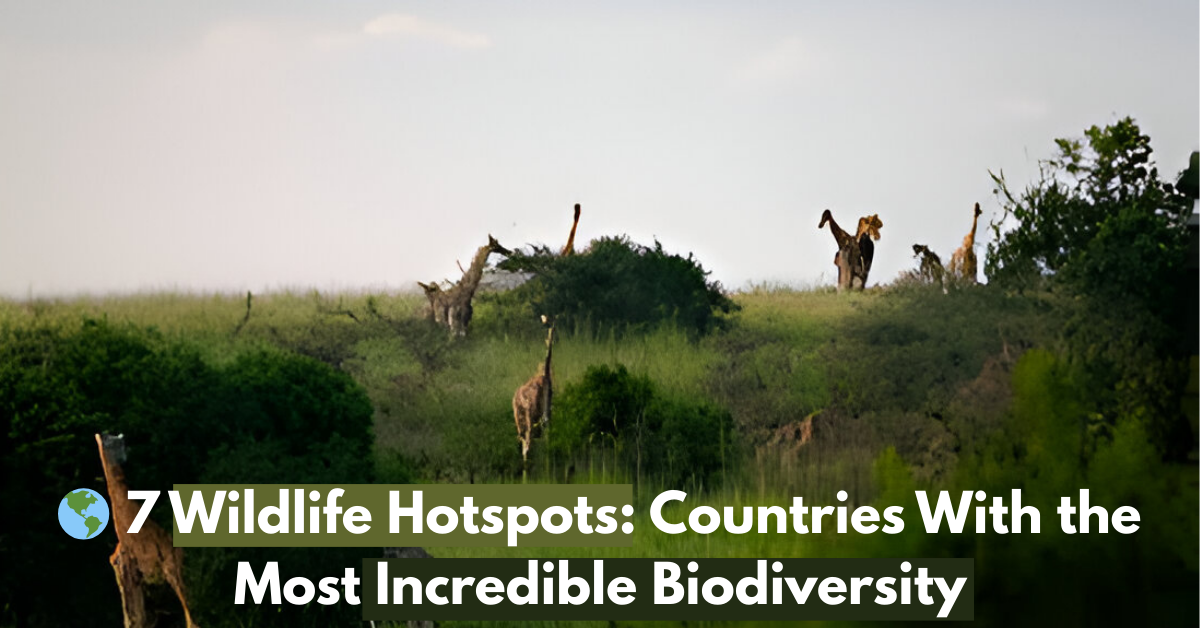
Planet Earth is basically one big, messy, beautiful zoo — except the animals didn’t sign a lease, and we’re the weird roommates who keep messing with the thermostat. But despite all that, there are still corners of the world so rich in life that you’d think Mother Nature got a little carried away with the “copy-paste species” button.
Here are the top Wildlife Hotspots — countries that pack more species per square kilometer than your average Pokémon region.
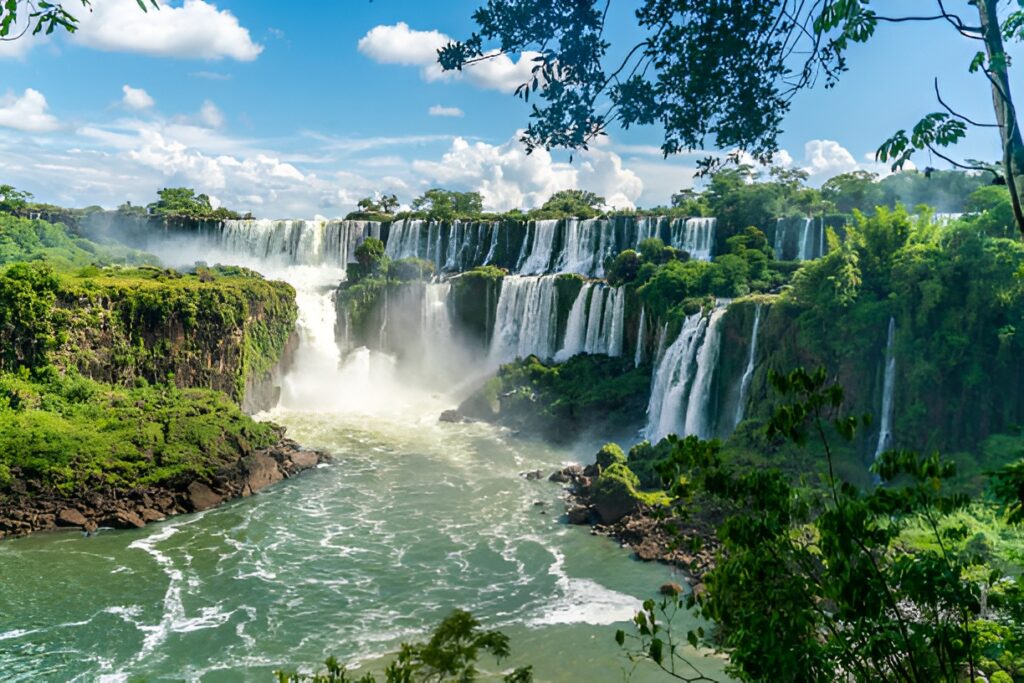
1. Brazil — The Undisputed Titan of Biodiversity
Brazil doesn’t just rank high on the biodiversity list — it stomps onto the stage wearing a jaguar-print cape and holding a tree frog like a trophy.
The Amazon Rainforest alone contains 10% of all known species on Earth. That’s everything from neon frogs that look like they escaped a rave to pink river dolphins that seem slightly embarrassed to be pink.
But Brazil’s ecological flexing doesn’t stop in the jungle. The Pantanal, the world’s largest tropical wetland, is a safari paradise where giant otters, caimans, capybaras, and jaguars live within suspiciously close proximity, as if Mother Nature accidentally mixed her folders.
Why Brazil is so biodiverse:
Millions of years of stable climate, huge overlapping ecosystems, and landscapes ranging from rainforest to wetlands to savannas.
Scientific twist:
Researchers still discover a new species in the Amazon every 2–3 days. Every few days. Let that sink in.
Traveler value:
Jungle expeditions, river cruises, birdwatching, wetland safaris — you can basically recreate an entire NatGeo documentary on a single trip.
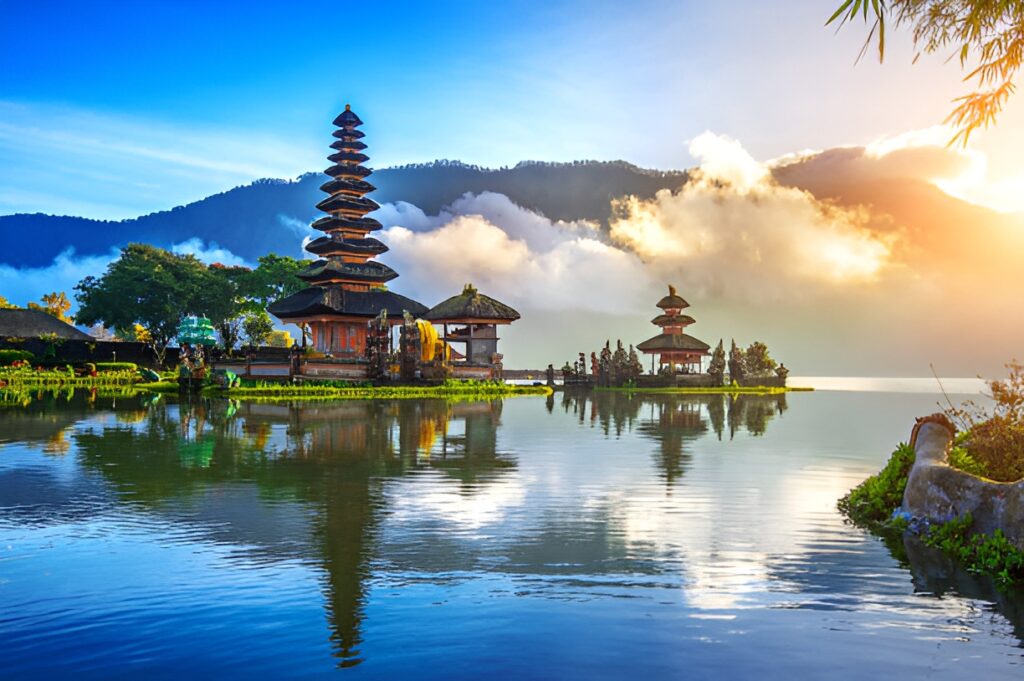
2. Indonesia — The Archipelago of Evolutionary Chaos
Indonesia is what happens when you toss 17,000 islands into the ocean and let evolution do its thing unsupervised.
Every ecosystem feels like a different fandom:
Borneo has orangutans slowly judging your life choices.
Komodo has dragons that look like they’re plotting tax fraud.
Raja Ampat has coral reefs so vibrant they look Photoshopped.
Why Indonesia is so unique:
Its islands sit on major tectonic boundaries. Species hopped, drifted, or clung for life on floating vegetation, then evolved separately on each island for millennia.
Traveler value:
Snorkel among 1,500 fish species in Raja Ampat, trek rainforests in Sumatra, or visit Komodo for the “I survived a dragon” badge of honor.
Indonesia is messy, magical, chaotic — and scientifically priceless.
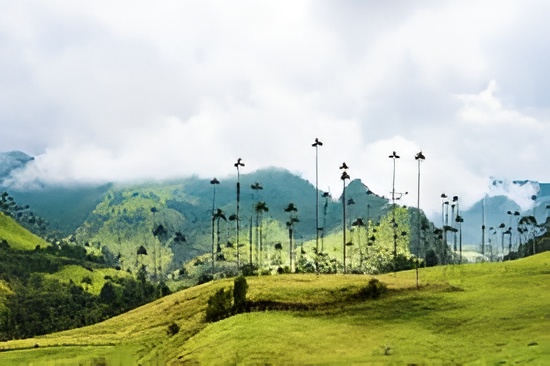
3. Colombia — The Biodiversity Underdog That Outshines Everyone
Colombia is the kid everyone underestimated until they realized he’s secretly a genius.
Despite being smaller than Brazil or Australia, Colombia ranks second in the world for species diversity.
It’s a living collage of ecosystems:
Mist-covered Andean peaks, Amazonian jungles, Caribbean reefs, deserts, and cloud forests — all stacked together like nature’s favorite Lego set.
Why Colombia is underrated:
Its extreme geographical variety squeezes thousands of microhabitats into a relatively compact space.
The birdwatcher’s holy land:
Colombia has more bird species than any country on Earth. If birds were Pokémon, Colombia would be the region with the expanded roster.
Traveler value:
Hummingbird photography in the coffee region, Amazon river eco-lodges, Tayrona’s coastal wildlife — it’s a dream for explorers.
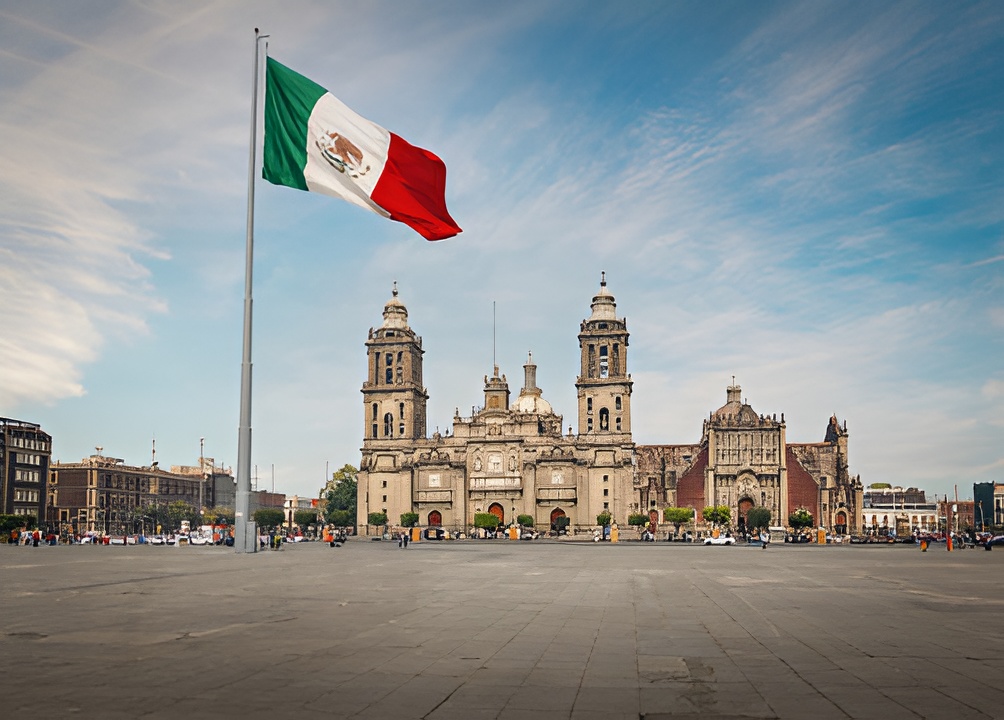
4. Mexico — Where Deserts, Jungles, Reefs & Volcanoes Collide
Mexico isn’t just tacos, pyramids, and mariachi bangers. It’s one of Earth’s officially recognized megadiverse countries, packing around 10–12% of the planet’s species into its borders.
It’s a land of extremes:
The cactus-dotted deserts of Baja California.
The lush jungles of Chiapas.
The volcanic mountains ringing central Mexico.
The Caribbean reefs shimmering like underwater stained glass.
And of course: the axolotl — the eternal baby salamander that looks like it’s starring in its own anime.
Why Mexico is so biodiverse:
Multiple climate zones, ancient migration routes, and isolated ecosystems that evolved their own genetic weirdness.
Traveler value:
Whale watching in Baja, jungle exploration in the Yucatán, birding in Oaxaca, or snorkeling in Cozumel — pick your adventure.
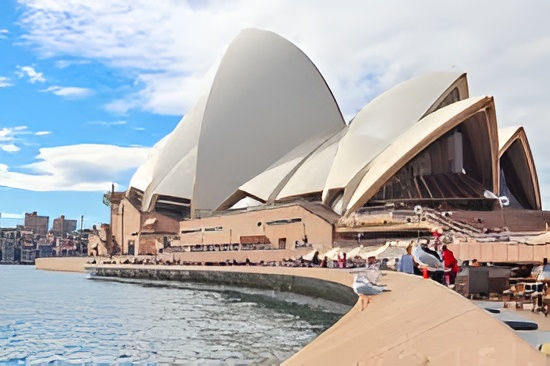
5. Australia — Evolution’s Wild Improv Show
Australia is the global headquarters of “what on Earth is THAT?”
Kangaroos that bounce.
Koalas that sleep 20 hours a day like depressed teddy bears.
Echidnas — basically spiny hedgehogs with a biological identity crisis.
And of course, the platypus, which looks like it was built from spare parts.
Why Australia is so bizarre:
It’s been isolated from the rest of the world for around 45 million years, giving evolution time to get weird.
Oh, and 80% of the species here exist nowhere else. Think of it as Earth’s exclusive collection.
Traveler value:
Snorkel the Great Barrier Reef, spot marsupials in the wild, or explore the outback’s prehistoric landscapes.
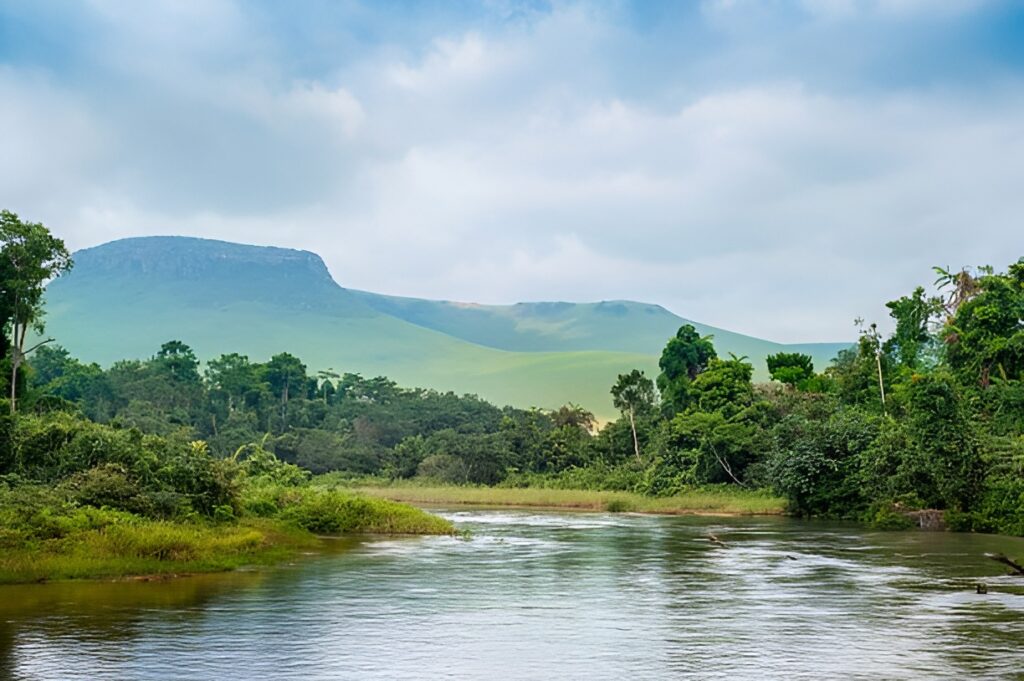
6. Democratic Republic of Congo — The Beating Lungs of the Continent
The DRC holds the Congo Basin, Earth’s second-largest rainforest — a sprawling, breathing world of ancient trees, thunderous rivers, and wildlife so old it feels mythological.
Here you’ll find:
Forest elephants
Bonobos (the peaceful primates that act like hippie philosophers)
Mountain gorillas
Okapis — part-zebra, part-giraffe, all “who designed this thing?”
Why the DRC matters:
Its forests are critical to the planet’s oxygen cycle, climate stability, and survival of iconic species.
Traveler value:
Gorilla trekking in Virunga (for experienced and well-guided travelers), birdlife exploration, and rainforest expeditions.
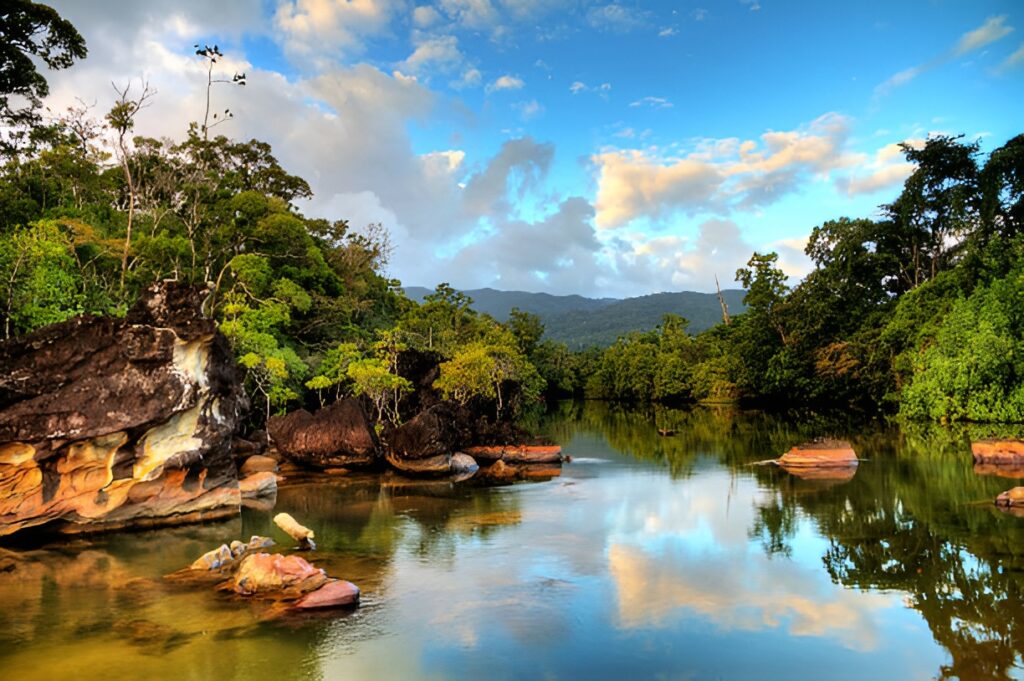
7. Madagascar — The Island That Broke Away and Got Weird
Millions of years ago, Madagascar drifted away from Africa like a friend storming out of a group chat… and never came back.
In that isolation, nature went full experimental mode.
The result?
About 90% of its species exist nowhere else on Earth.
Lemurs dancing sideways like furry drunk uncles.
Chameleons that can shrink to fingernail size.
Plants that look like props from a sci-fi movie.
Why Madagascar is irreplaceable:
It’s one of evolution’s last untouched laboratories.
Traveler value:
Rainforest treks, baobab forests, rare lemur encounters, crystalline beaches — raw, rare adventure.
🦜 Final Thoughts
Earth’s biodiversity hotspots are more than travel destinations — they’re living libraries of evolution, still being written page by page.
So whether you’re an eco-traveler, a wildlife photographer, or just someone who really, really likes documentaries with David Attenborough narrating in the background, these countries remind us that life on Earth is still wild — in every sense of the word.
If you are feeling lucky and want to randomly decide which Country from Europe to travel to, for your journey, then click here to go to our random European country generator.
Leave a Reply