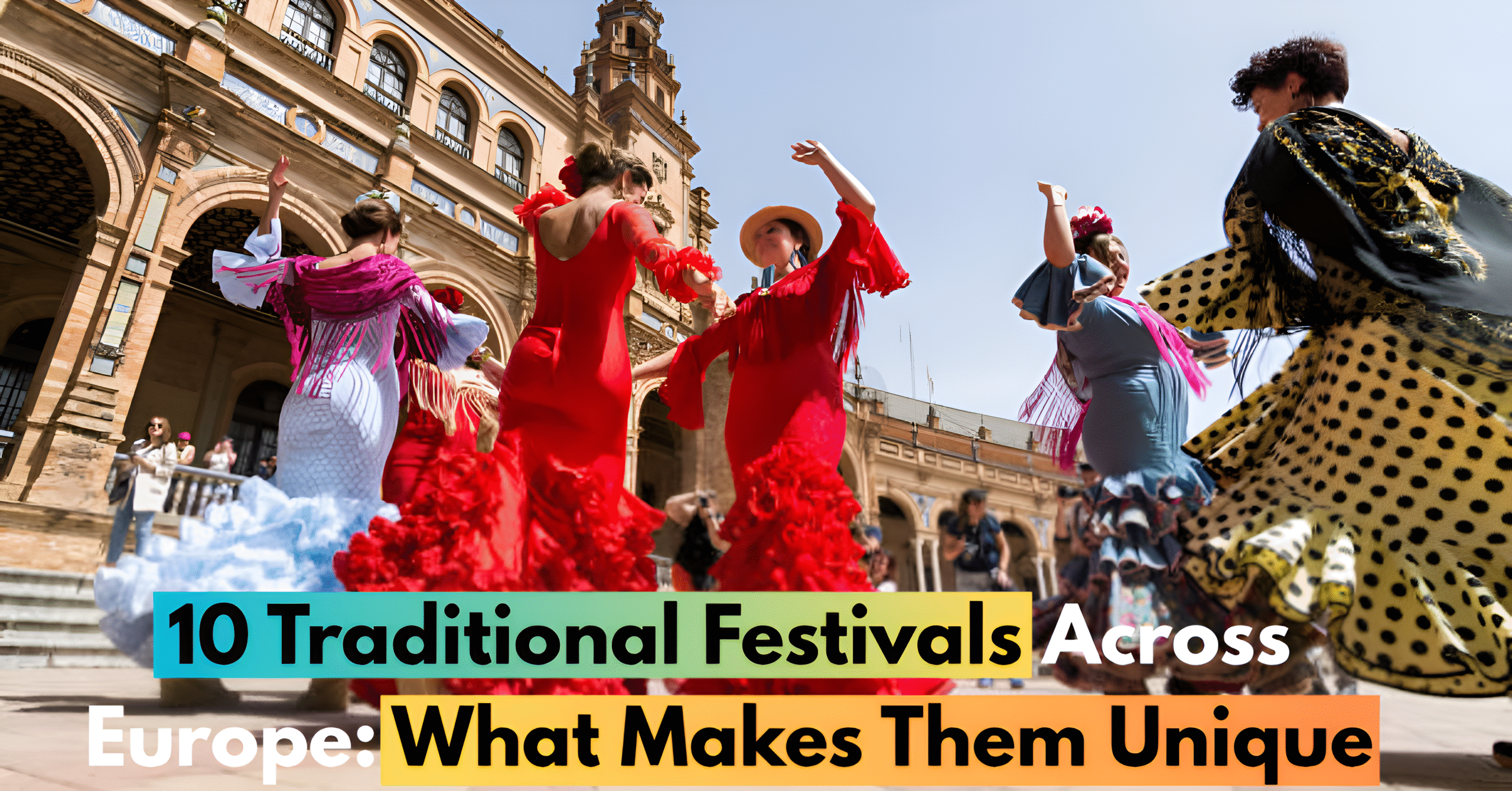
Europe is a location where celebration and history are at odds, and every country has its own way of throwing a party. Everything from ancient traditions to flashy modern takes, Traditional European festivals are a pot of colour, music, food, and sheer spectacle. Here’s an overview of ten festivals in Europe that are wonderfully celebratory.
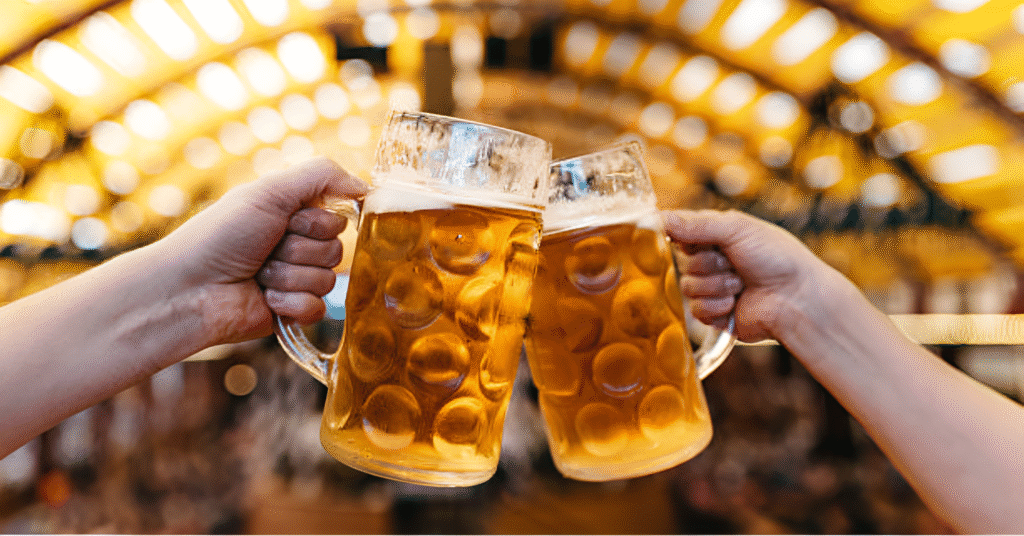
1. Oktoberfest — Germany’s Giant Toast to Tradition
Where: Munich, Germany
When: Late September to early October
Oktoberfest looks like a beer festival from the outside, but underneath the steins and pretzels sits a deeply Bavarian cultural celebration. It began in 1810, honoring a royal wedding so grand that the entire city was invited — and the party never really stopped.
Today, millions flock to Munich for traditional music, folk dancing, heart-stoppingly huge pretzels, lederhosen, and tents so big they feel like their own micro-nations.
Why it matters:
Oktoberfest is Germany saying: “Here’s who we are. Enjoy the food, enjoy the music, and try not to fall off the bench while singing.”
Travel tip:
The beer is strong, the crowds are massive, and the atmosphere is half chaos, half joy. Pace yourself unless you want your ancestors to feel that hangover.
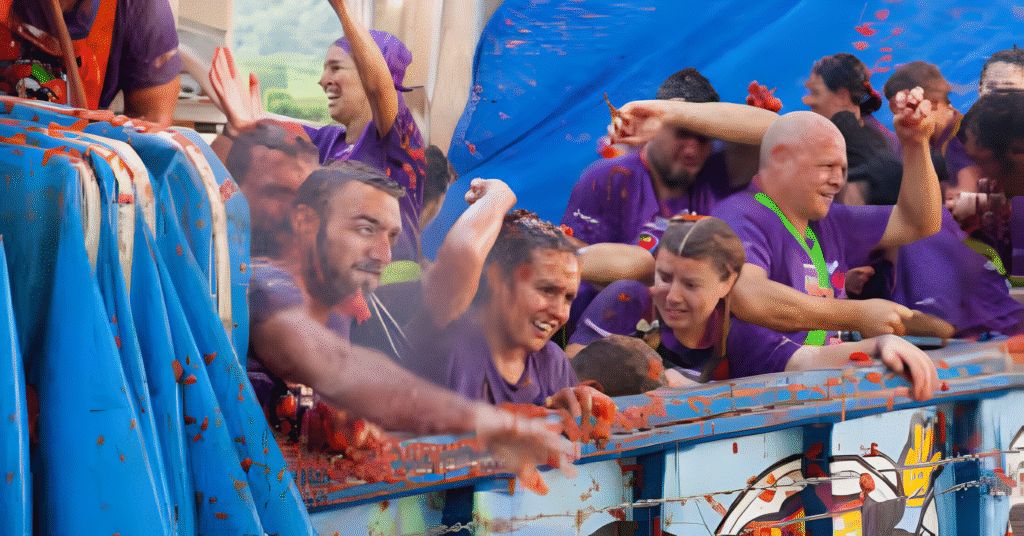
2. La Tomatina — Spain’s Legendary Tomato War
Where: Buñol, Spain
When: Last Wednesday of August
This iconic “festival” began as a 1945 street prank…and spiraled into a world-famous annual tomato battle. Picture thousands of people willingly diving into a river of crushed tomatoes, pelting strangers with juicy red ammunition.
It’s messy. It’s ridiculous. It’s glorious.
Why it matters:
La Tomatina captures the playful, wild, communal spirit of Spanish fiestas — no overthinking, just pure spectacle and shared chaos.
Travel tip:
Wear clothes you never want to see again. And goggles. Definitely goggles.
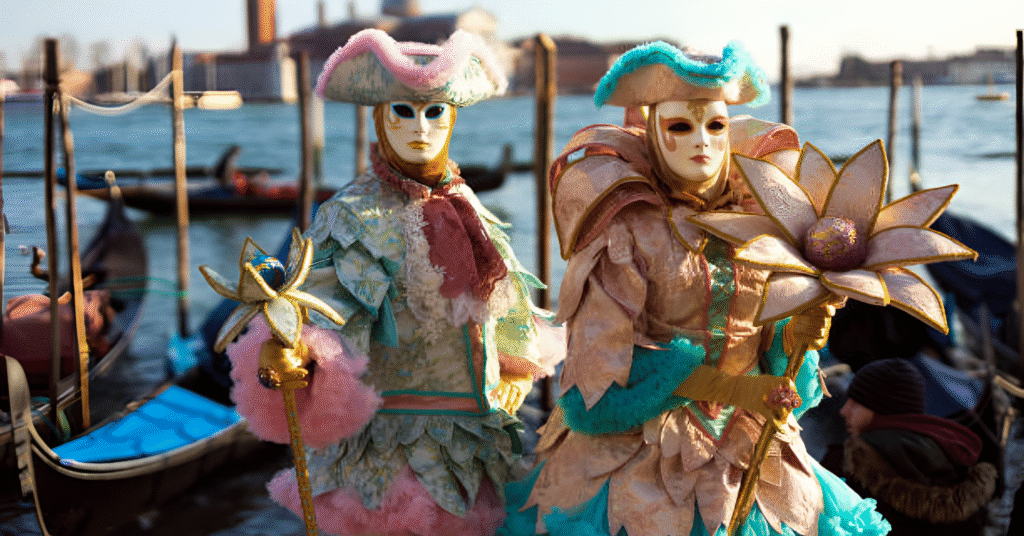
3. Carnival of Venice — Italy’s Theater of Masks
Where: Venice, Italy
When: February (dates vary by year)
For a few enchanted weeks, Venice turns into a real-life fairytale. The city becomes a floating masquerade, filled with baroque costumes, music, operas, mysterious soirées, and people gliding down canals wearing masks so elaborate they could start their own religion.
Dating back to medieval times, Carnival allowed classes to mingle without identity barriers — a social equalizer hidden beneath artistry.
Why it matters:
It’s Europe’s most visually stunning festival, a living museum of tradition and mystery.
Travel tip:
Bring your camera. And your sense of wonder.
4. Giant Omelette Festival — France’s Colossal Breakfast Party
Where: Bessières, France
When: Easter Monday
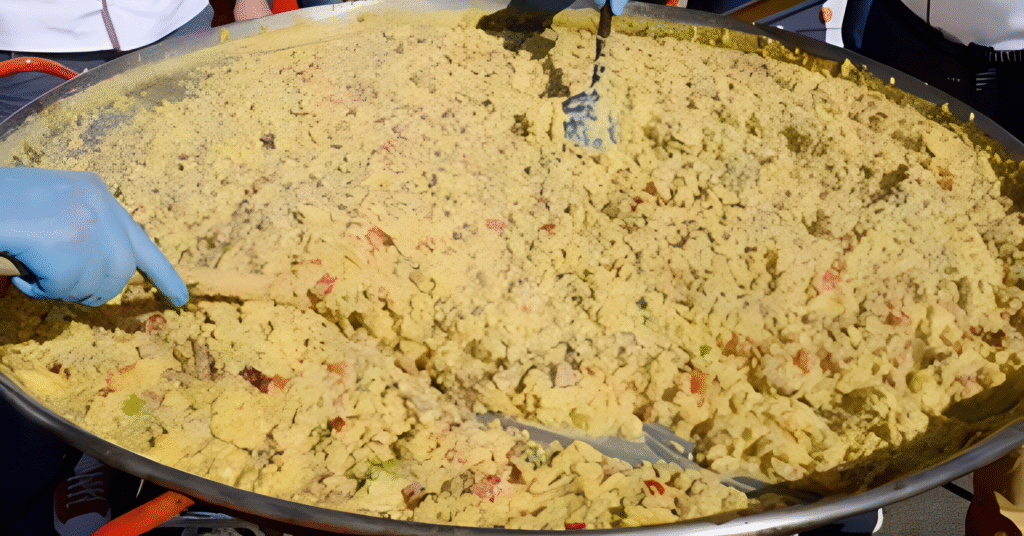
Only France would say, “Let’s celebrate Easter…with an omelette the size of a kiddie pool.”
Every year, volunteers crack 15,000 eggs to cook one massive communal omelette in the town square.
The tradition, inspired by Napoleonic soldiers, symbolizes unity, abundance, and the kind of culinary audacity only the French can pull off.
Why it matters:
It’s food as community — an entire village sharing one enormous dish.
Travel tip:
Arrive hungry. Extremely hungry.
5. Up Helly Aa — Scotland’s Viking Firestorm
Where: Lerwick, Shetland Islands
When: Last Tuesday of January
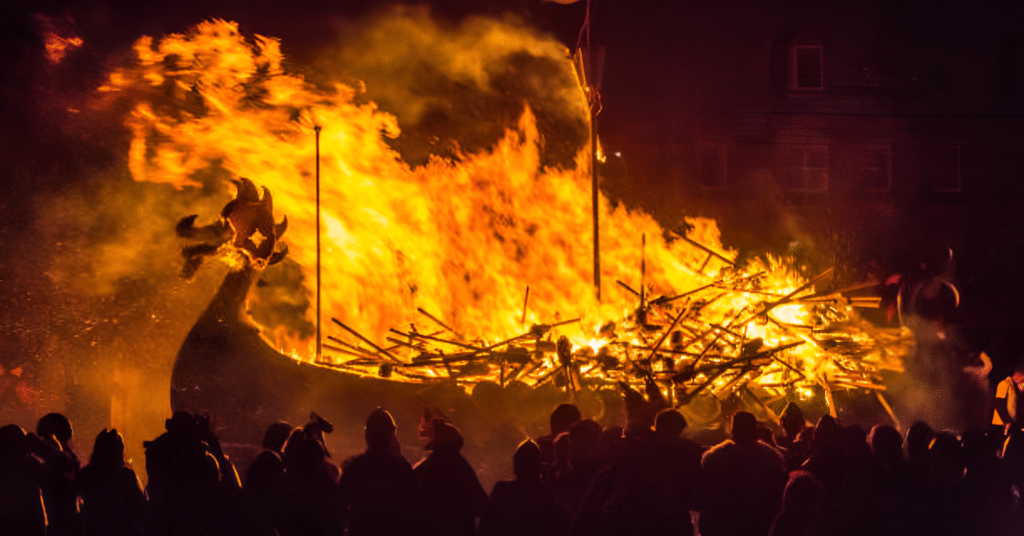
Once night falls, hundreds of torch-bearing “Vikings” parade through the streets in full costume, singing, shouting, and eventually setting a full-sized Viking longship on fire.
It’s dramatic, mythic, and a little dangerous — basically Scotland in festival form.
Why it matters:
Up Helly Aa isn’t just a spectacle; it’s an act of cultural remembrance, honoring the islands’ Norse heritage.
Travel tip:
It gets cold. Bundle up unless frostbite is your aesthetic.
6. Krampusnacht — Austria’s Nightmare Before Christmas
Where: Various towns across Austria
When: December 5th
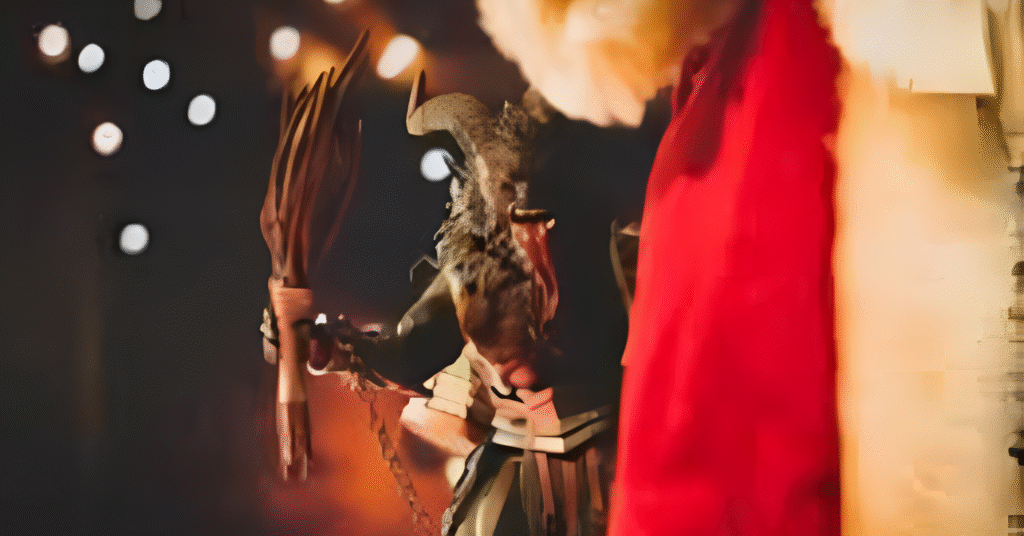
Before Santa rewards the good children, Krampus shows up to scare the life out of the naughty ones. Locals don terrifying horned costumes, clanking chains and bells while parading through streets with theatrical menace.
It’s haunting, folkloric, and weirdly fun.
Why it matters:
Krampusnacht is a reminder of Europe’s rich mythological past, where winter brought both gifts and monsters.
Travel tip:
If you scare easily, keep your distance. Krampus does not hold back.
7. San Fermín (Running of the Bulls) — Spain’s Adrenaline Ritual
Where: Pamplona, Spain
When: July 6–14
San Fermín is a whirlwind of music, feasts, parades…
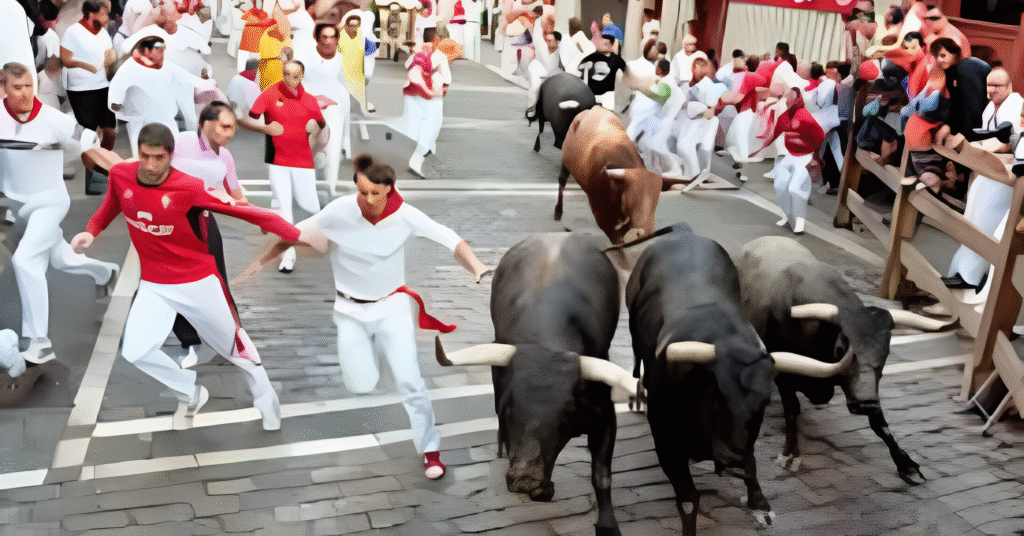
…and also running for your life as bulls charge down narrow streets.
The tradition honors Saint Fermín, mixing religious devotion, historic spectacle, and the kind of adrenaline rush you can’t replicate in virtual reality.
Why it matters:
Few festivals have sparked as much debate, passion, and fascination. It’s a cultural icon — dangerous, yes, but deeply rooted in Spanish identity.
Travel tip:
Running is optional. Watching is safer. Much safer.
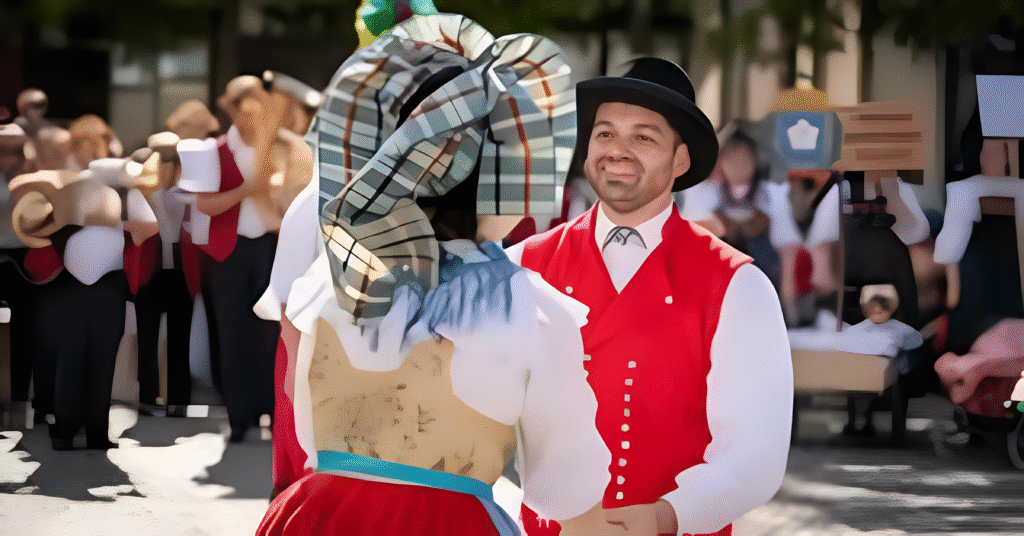
8. Fête de la Musique — France’s Nationwide Street Concert
Where: Everywhere in France
When: June 21st
On the summer solstice, the entire country becomes a stage.
From violinists on balconies to amateur rock bands in cafés, France transforms into an open-air concert hall.
The idea spread worldwide, but in France, it feels truly magical — like the nation collectively remembers music is a universal language.
Why it matters:
It dissolves the boundary between performer and audience. Everyone becomes part of the celebration.
Travel tip:
Wander with no plan. The best performances are always the ones you stumble upon.
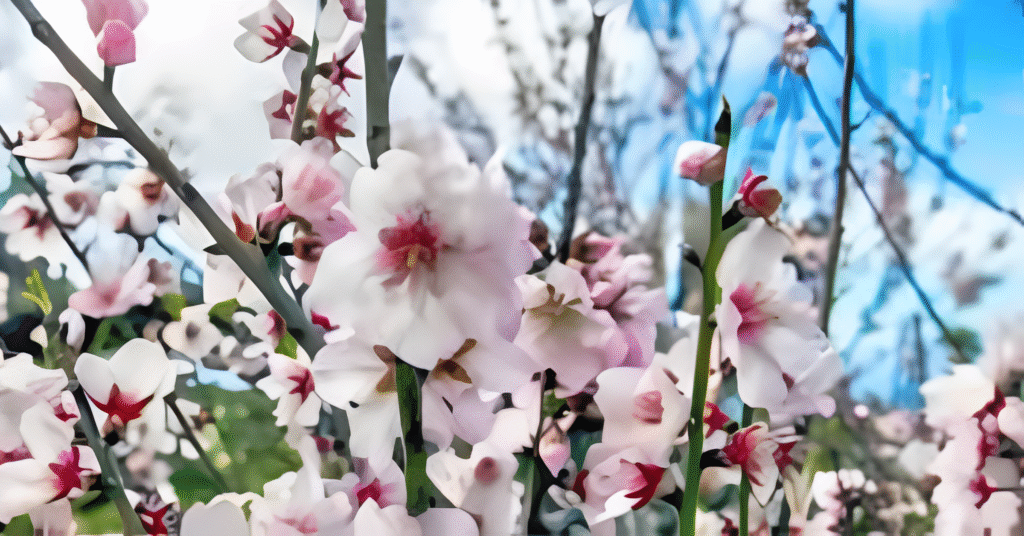
9. Almond Blossom Festival — Spain’s Floral Welcome to Spring
Where: Mallorca, Spain
When: January–February
When almond trees explode into clouds of pink and white flowers, Mallorca celebrates with parades, exhibitions, tastings, and village gatherings. It’s gentler and quieter than many European festivals but breathtaking in its own right.
Why it matters:
It showcases the island’s agricultural heritage, local traditions, and the emotional lift that comes with the first signs of spring.
Travel tip:
Bring a camera — this is nature’s version of a postcard.
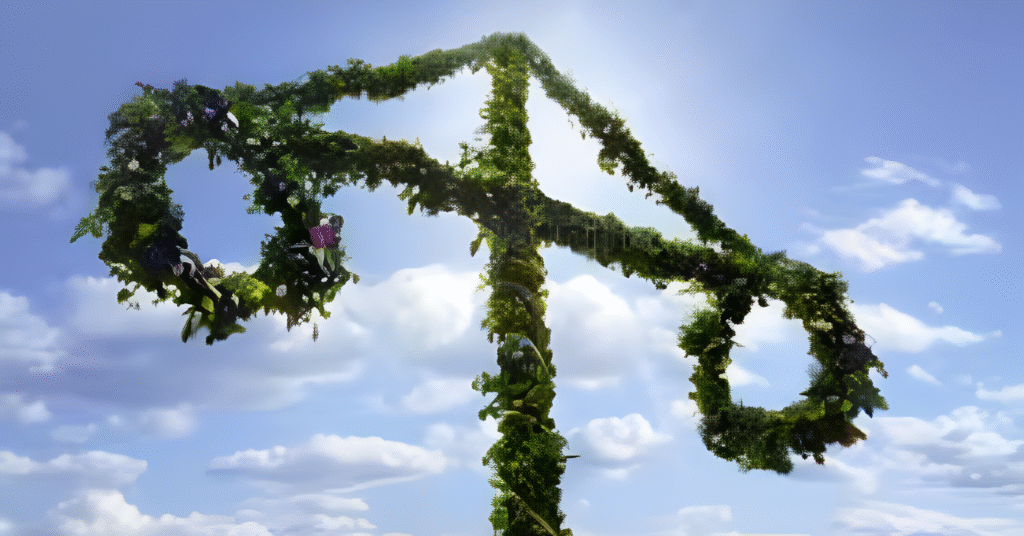
10. Midsummer — Sweden’s Celebration of Light
Where: Across Sweden
When: Late June
When daylight barely fades, Swedes gather to dance around maypoles, sing folk songs, feast on potatoes and pickled herring, and celebrate the magic of long summer days.
It’s joyful, earthy, and deeply communal — a festival that truly feels like the soul of the nation.
Why it matters:
Midsummer is more than a party. It’s a reminder of nature’s rhythms, cultural roots, and the simple joy of being together.
Travel tip:
Say yes when someone offers you flower crowns. It’s basically the law.
Conclusion for Traditional European Festivals in Europe
Europe’s festivals are a window into history, culture, and a little bit of madness. Whether you’re throwing tomatoes, dancing around a maypole, or running with bulls, there’s always a reason to celebrate—and maybe a costume to don.
If you are feeling lucky and want to randomly decide which Country from Europe to travel to, then click here to go to our random European country generator.
Leave a Reply