
Picture this: it’s 9 AM on a Tuesday. Somewhere in Berlin, a worker has already checked three emails, finished a spreadsheet, and probably planned next week’s efficiency meeting. Meanwhile, in Italy, someone’s still deciding between a cappuccino or macchiato before they even consider opening their laptop.
Europe’s 9-to-5 work culture isn’t one rhythm — it’s an entire symphony of how people live, work, and vibe through the week.
Germany: Efficiency Is the Religion
The German workplace is like a well-oiled BMW engine. Meetings start on the dot, not “five minutes-ish.” Deadlines are sacred, and structure is the law.
There’s even a beautiful word for their approach: “Ordnung” — meaning order, discipline, and harmony through precision. Germans are big believers in separating work from life, so once it’s 5 PM, don’t expect anyone to reply to an email. They’ve clocked out, grabbed a beer, and are now aggressively relaxing.
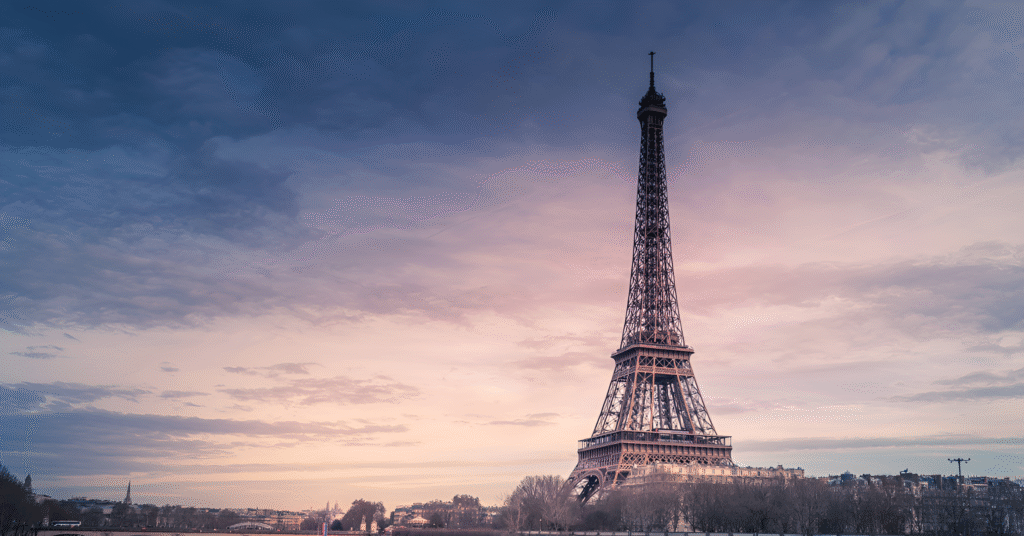
France: The Art of Working Less but Living More
Ah, France — where the workday is sometimes just a polite suggestion. The French take their 35-hour workweek seriously. Long lunches? Expected. Striking for better working conditions? Practically a national sport.
The French value intellectual conversation, creativity, and balance — not endless grind. They’ll philosophize over a café crème about capitalism and still hit their deadlines. And yes, it’s true — there’s a law that limits work emails after hours. Viva la work-life balance.
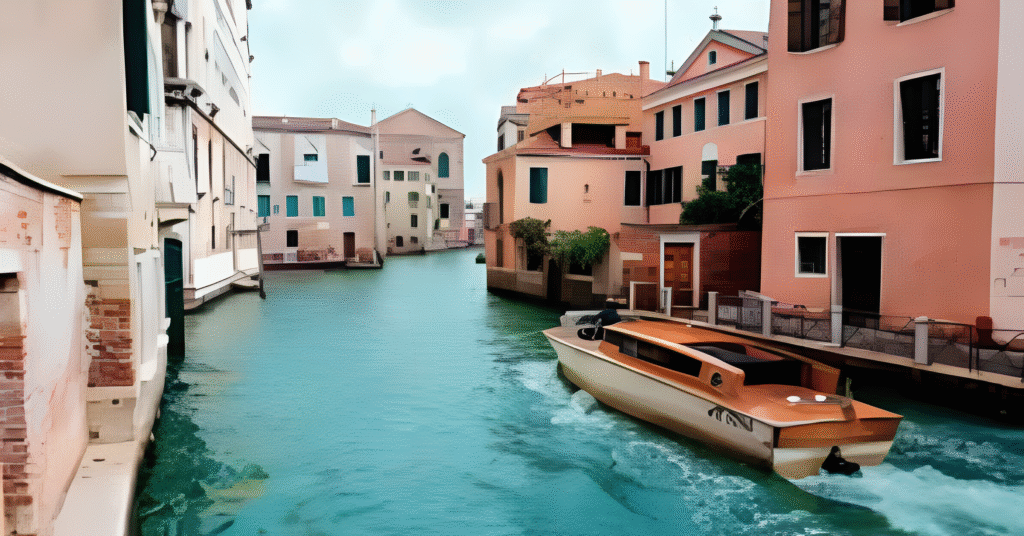
Italy: Espresso, Emotion, and Extended Lunches
In Italy, work revolves around people, not calendars. Meetings can start late because someone’s cousin dropped by, and honestly? Everyone’s okay with it.
Relationships drive business here — Italians like to know who they’re dealing with. The midday break (a.k.a. riposo) is not laziness — it’s a lifestyle. Expect laughter, loud talking, and gestures so dramatic you’ll think you’re in a soap opera. But somehow, the job gets done — with flair and flavor.
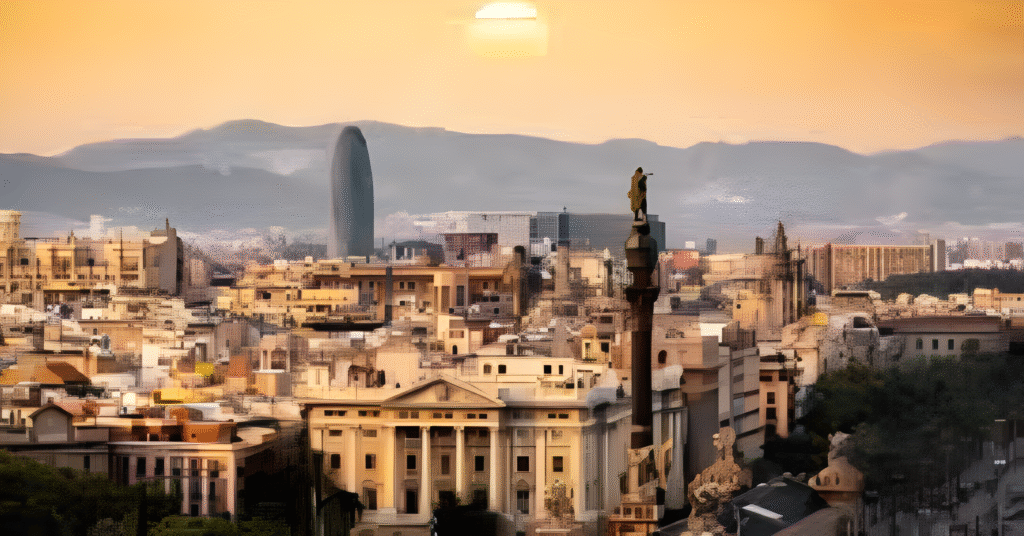
Spain: The Land of Siestas and Slow Burn Productivity
The Spanish take “work smarter, not harder” to spiritual levels. The siesta tradition still exists in smaller towns — shops close mid-afternoon, people rest, and the workday stretches into the evening.
The vibe? Chill but proud. Spaniards work to live, not live to work. Team gatherings often spill into tapas and wine, and it’s not unusual for business deals to seal with laughter rather than signatures.
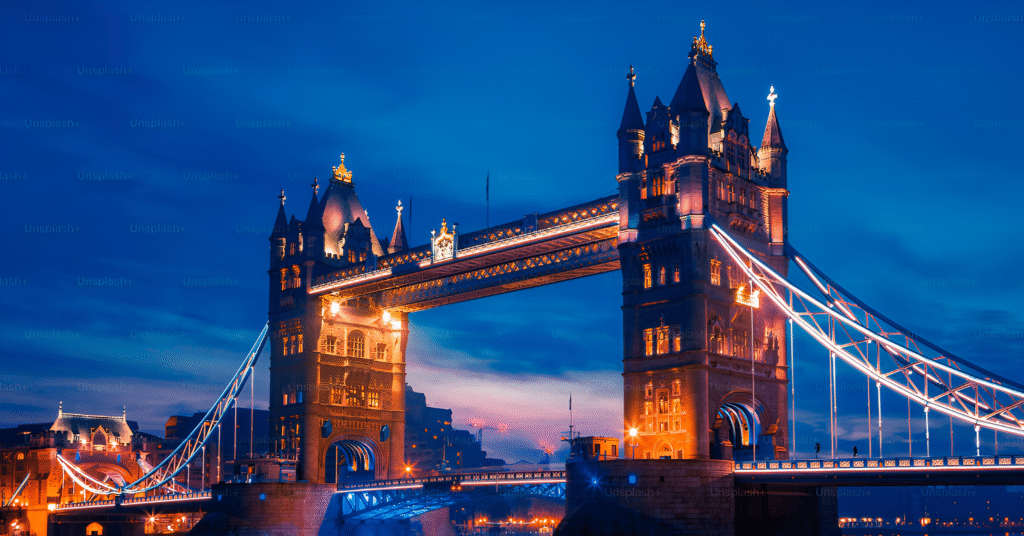
United Kingdom: Polite Productivity and Tea-Powered Grit
The Brits are masters of appearing calm while internally panicking about deadlines. They love meetings — sometimes too much. Office banter is an art form, and sarcasm is the national second language.
Despite their reputation for politeness, there’s quiet competition humming underneath. The famous “Keep Calm and Carry On” attitude sums it up perfectly — even when the printer’s jammed, the Wi-Fi’s dead, and it’s raining for the fifth day straight.
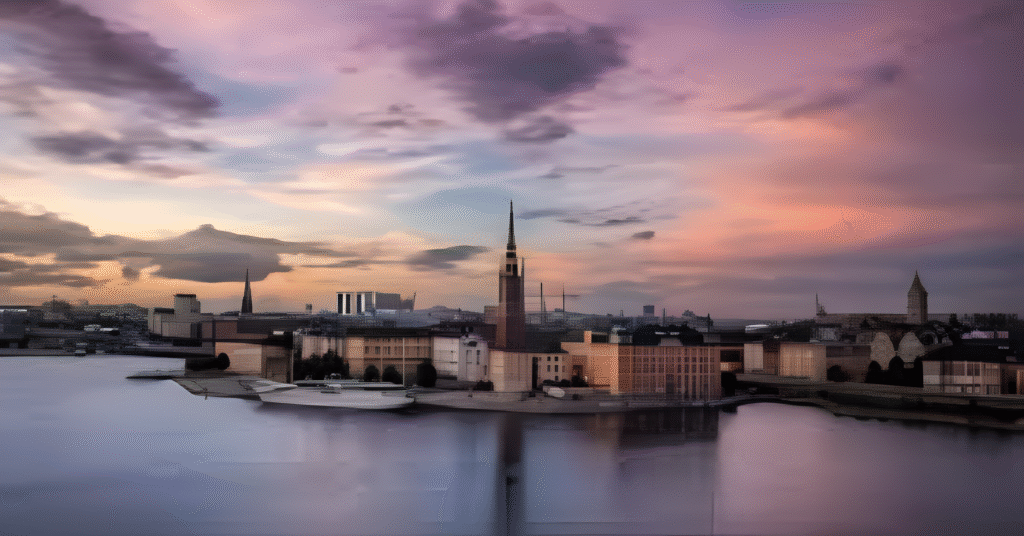
Sweden: Fika and Flat Hierarchies
Welcome to Sweden, where coffee breaks are a cultural ritual known as fika — a sacred moment of coffee, pastries, and human connection.
Workplaces are famously flat — bosses are approachable, and everyone’s opinion counts. Swedes don’t overwork; they prioritize efficiency and trust. The result? A society that runs like IKEA furniture assembled correctly on the first try (a miracle, basically).
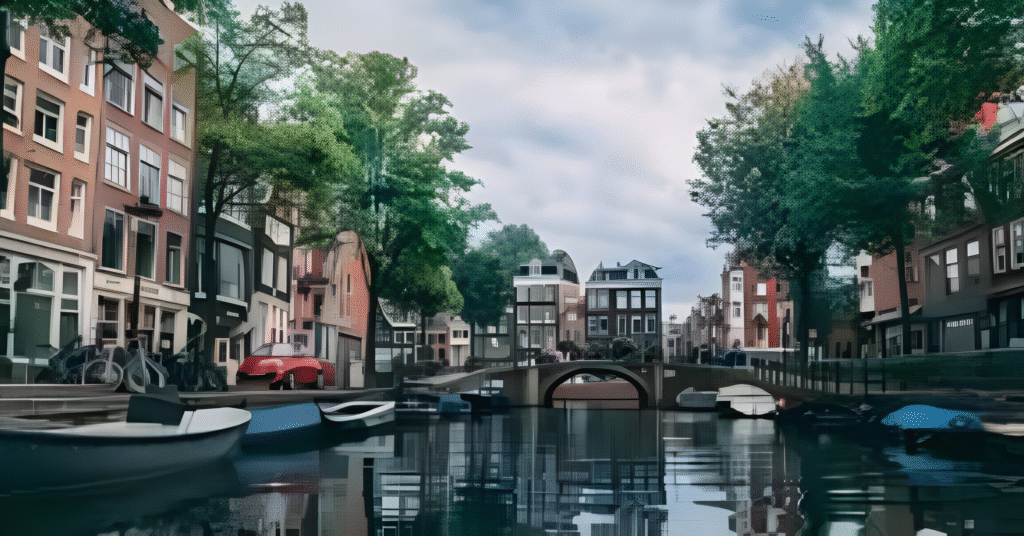
Netherlands: Direct Talk, Flexible Hours
Dutch work culture is the embodiment of “just be chill but honest.” They’re known for their direct communication — no sugarcoating, no fluff. Meetings are open and democratic, and flexible hours are standard.
The Dutch bike to work, value family time, and strongly believe that working late is a sign of poor time management, not dedication. Somewhere, an American just fainted reading that.
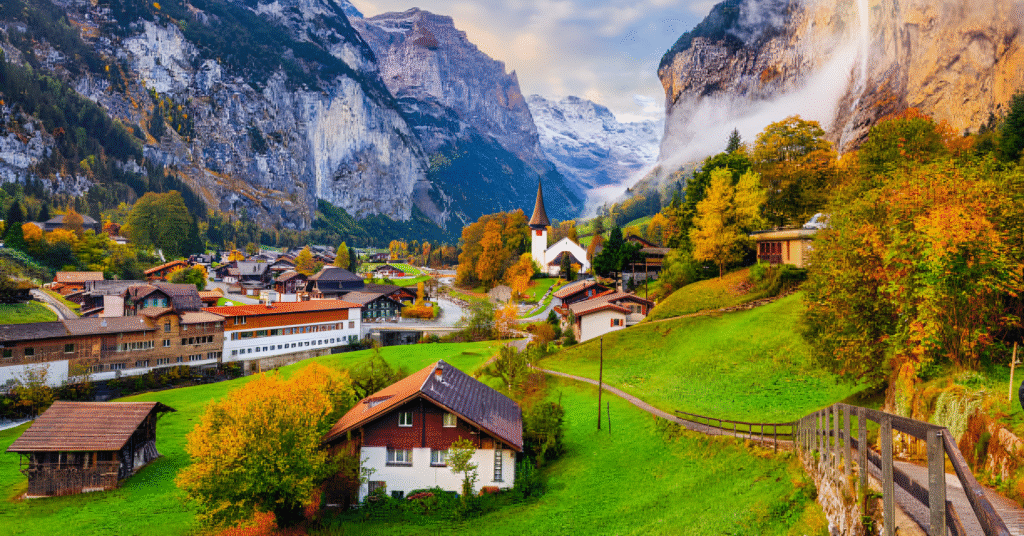
Switzerland: Precision, Professionalism, and Peace
Everything in Switzerland runs on time — trains, watches, and yes, employees. Swiss work culture is formal, polite, and laser-focused on quality.
Punctuality isn’t just appreciated; it’s a moral duty. But don’t mistake their calm for dullness — the Swiss enjoy their leisure time just as efficiently as they work, whether it’s skiing in the Alps or sipping fondue by the lake.
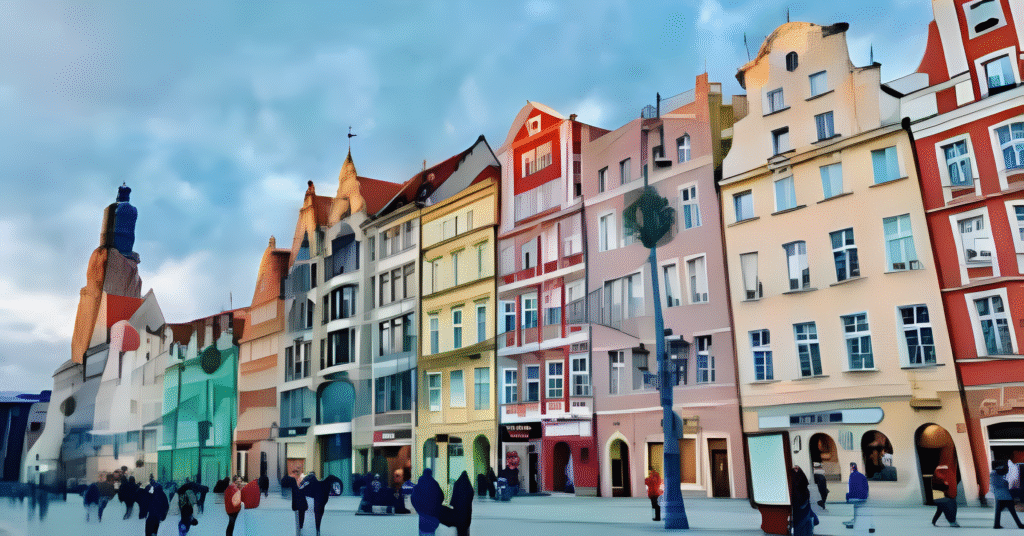
Poland: Hard Work Meets Hustle
Polish work culture is shaped by resilience. People here are pragmatic, adaptable, and hardworking — remnants of a history of rebuilding and reinventing.
They value education and effort, with a growing push toward modern, Western-style flexibility. You’ll see young professionals blending the old-school work ethic with a tech-forward, entrepreneurial drive.
🏁 Final Thoughts: One Continent, Many Clocks
Europe proves there’s no one-size-fits-all 9-to-5 work culture. Some chase efficiency like it’s a sport, others treat work as a side quest in the game of life.
But here’s the beauty — every work culture has found its rhythm. And maybe that’s the lesson: there’s no right way to work, only the way that lets you enjoy your espresso, paycheck, and weekend equally.
If you are feeling lucky and want to randomly decide which Country from Europe to travel to, for your street food journey, then click here to go to our random European country generator.
Leave a Reply