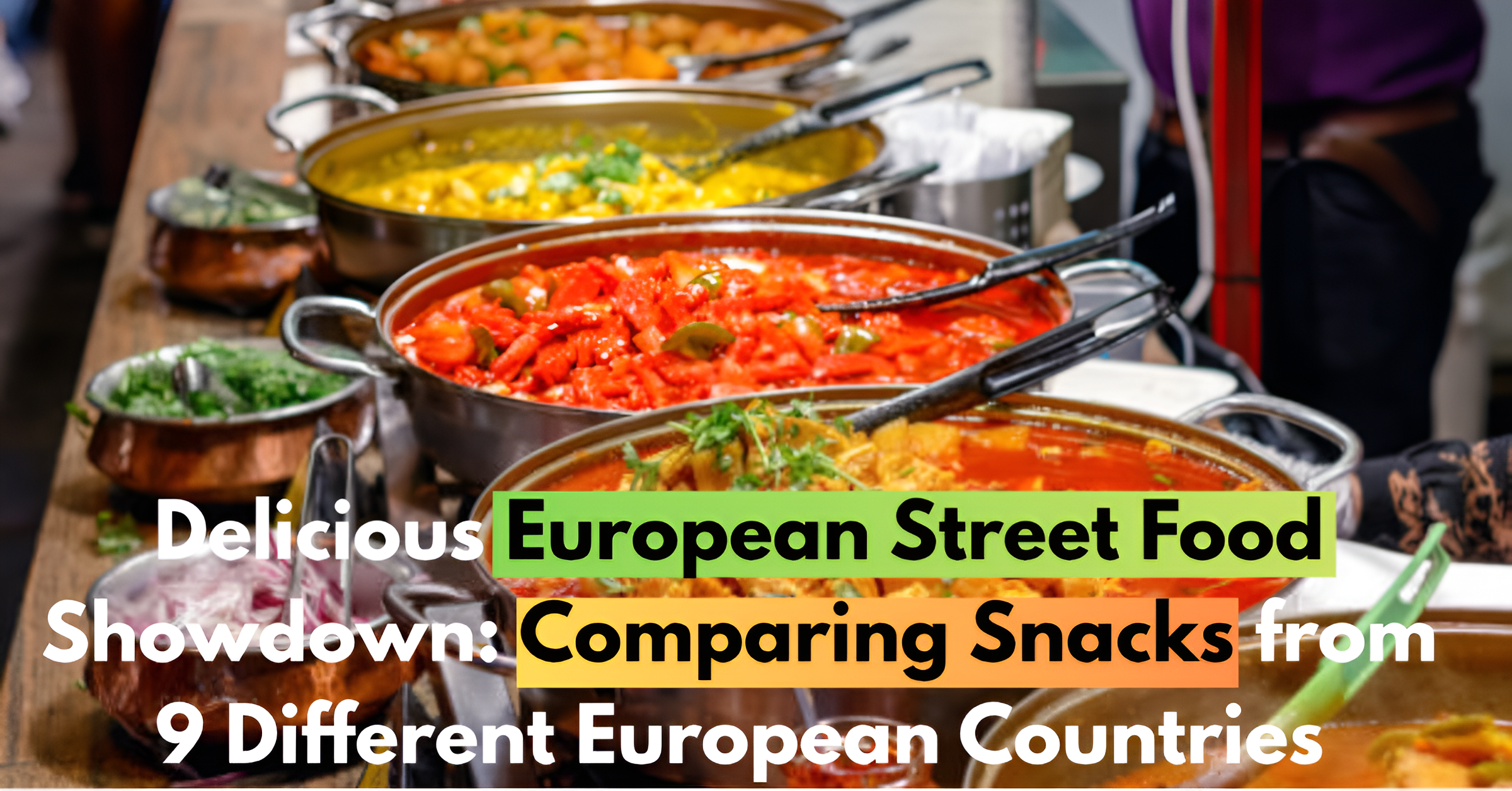
There’s something magical about street food — it’s chaotic, greasy, and often better than anything fancy restaurants serve. You can taste a country’s soul in its street snacks. And Europe? It’s a continent of culinary chaos in the best way possible — from cheesy carb bombs to fried things that make your arteries question your life choices.
So grab your imaginary passport (and maybe a napkin), because we’re going on an European street food sprint across European Countries.
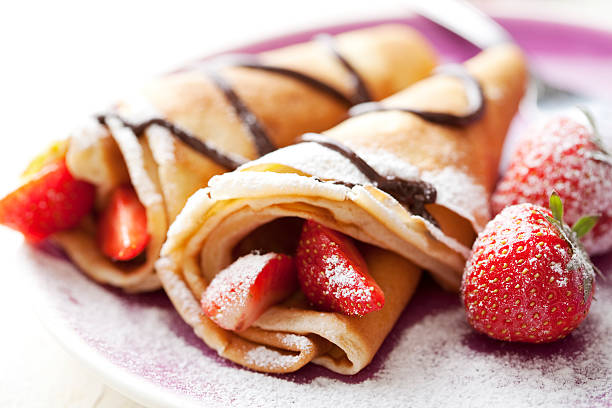
France — Crêpes: Elegance Folded into a Street Snack
Paris may be known for high fashion, but French street culture has something even better: the crêpe.
A paper-thin sheet of buttery goodness folded into a triangle and filled with whatever makes your soul feel warm — Nutella, sugar, ham, cheese, lemon, caramel, you name it.
Why this snack matters:
Crêpes were born in Brittany and became popular because they were cheap, fast, and a lifesaver for farmers who lived on buckwheat. Today, it’s France’s edible ambassador — proof you can be elegant even while eating on the sidewalk.
Traveler insight:
Order it in French, even if you butcher it. The crêpe will still taste divine.
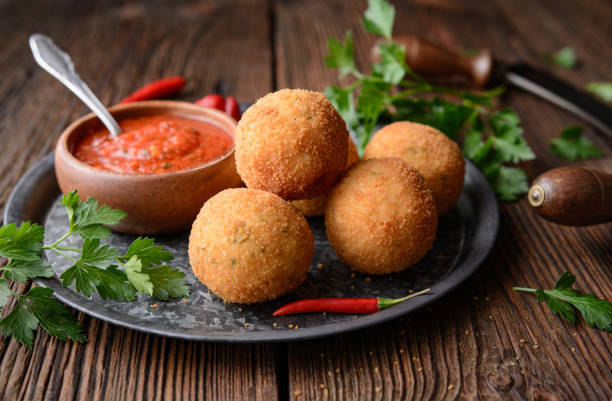
Italy — Arancini: Sicily’s Golden Fried Happiness Bombs
Some foods are comforting. Arancini is comforting and chaotic.
These fried rice balls — stuffed with ragu, mozzarella, peas, or whatever Nonna feels like inventing — are crispy on the outside and molten on the inside.
Why this snack matters:
Arancini started as a way to reuse leftover risotto. Italians, being culinary wizards, turned leftovers into a masterpiece. In Sicily, you’ll see people devour them like popcorn — walking, talking, yelling, gesturing wildly, all while eating fried rice balls.
Traveler insight:
If it’s fresh, do not bite into it immediately unless you want to experience a lava-cheese eruption.
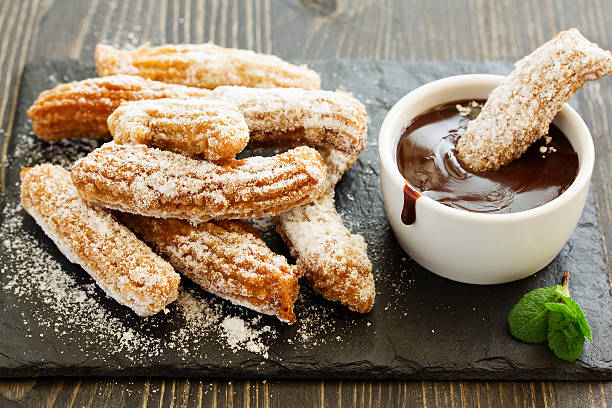
Spain — Churros: Sweet, Fried Lightning Rods of Joy
Churros are long, ridged tubes of fried dough, rolled in sugar, and dipped in thick, molten hot chocolate that could probably patch drywall.
Why this snack matters:
Churros were originally a shepherd’s breakfast — easy to fry over a fire, sturdy enough to survive long treks. Spain simply added chocolate later and created breakfast perfection.
Traveler insight:
A proper Spanish churro joint (“churrería”) opens early and closes late. Bring an appetite and zero shame.
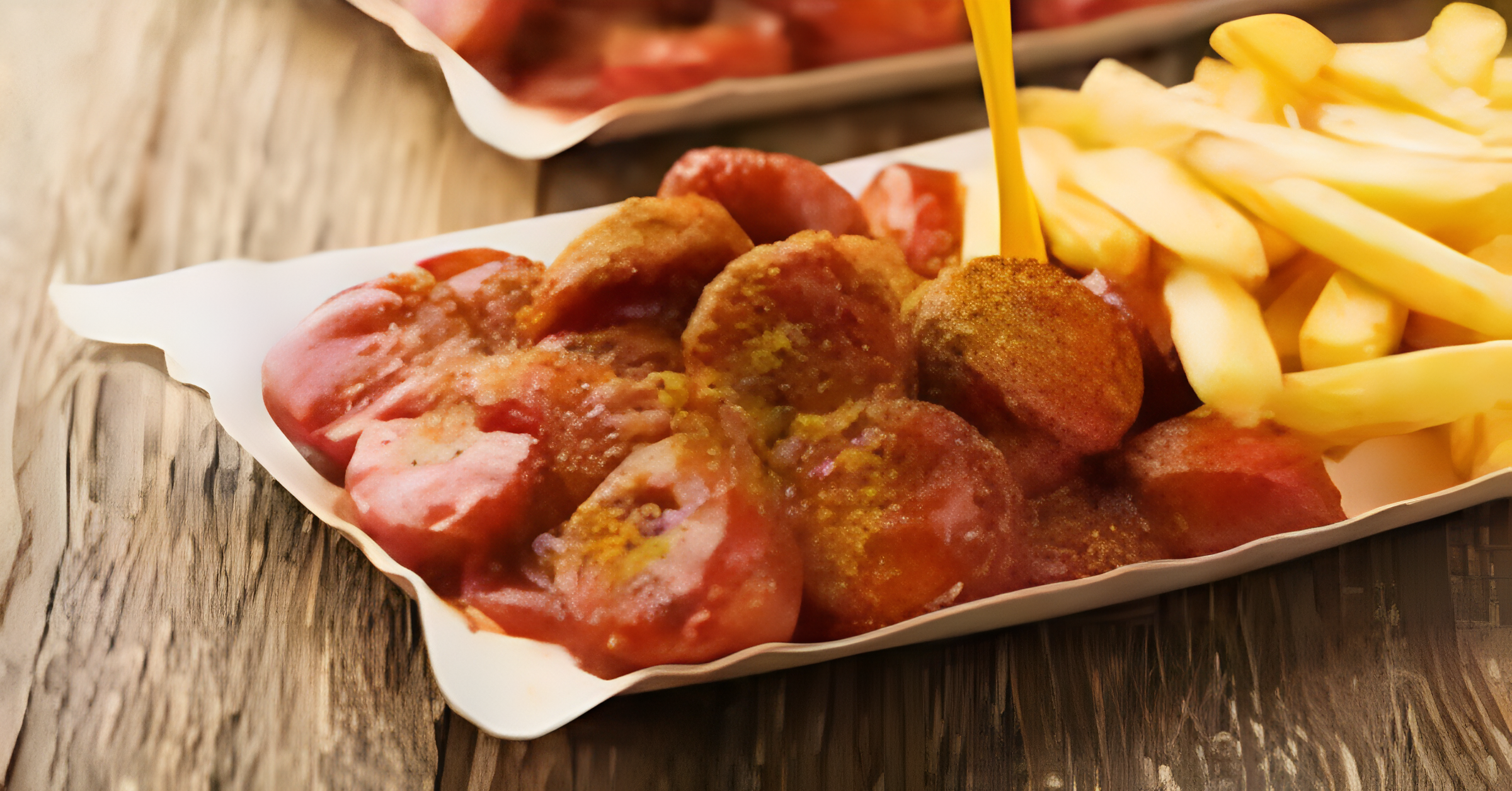
Germany — Currywurst: Sausage Meets Chaos, Chaos Wins
Invented in post-war Berlin by a woman who got her hands on British curry powder, currywurst is the German love language: practical, warm, slightly chaotic.
The dish? Sliced sausage drowning in ketchup mixed with curry spices. It shouldn’t work. It absolutely does.
Why this snack matters:
Currywurst became a symbol of Berlin’s recovery — cheap, filling food for working-class neighborhoods. Germans may be orderly, but their street food tells a very different story.
Traveler insight:
Order it “mit pommes” (with fries) for the full, authentic, “I didn’t plan on eating this much” experience.
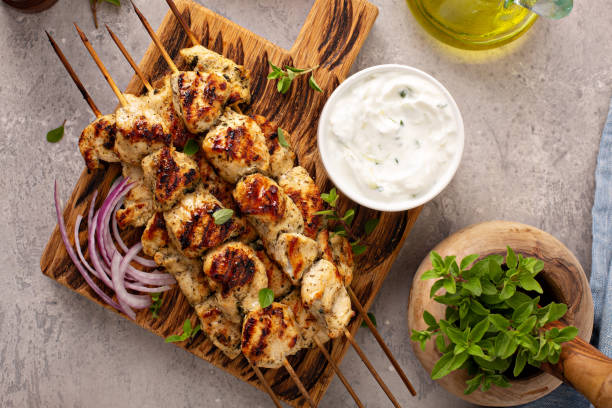
Greece — Souvlaki: The Original Handheld Feast
Imagine grilled, marinated meat on a skewer, tucked into warm pita with tomatoes, onions, fries, and a heroic amount of tzatziki. That’s souvlaki — Greece’s handheld miracle.
Why this snack matters:
Souvlaki has ancient roots — literally mentioned in classical Greek texts. It’s one of the oldest street foods on Earth, and it still tastes like the gods blessed it.
Traveler insight:
Souvlaki stands are everywhere. Follow the locals. If the line is long, it’s worth the wait.
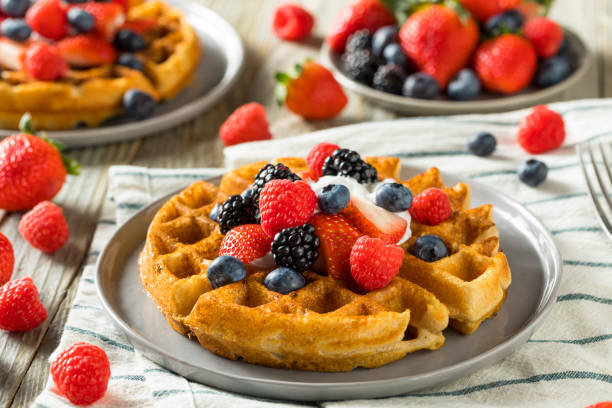
Belgium — Waffles: Breakfast Is Forever Ruined
Belgian waffles are crispy, soft, airy, and lightly sweet — a texture humans were not meant to achieve, yet here we are.
Load them with fruit, chocolate, whipped cream, or just powdered sugar.
Why this snack matters:
Belgian waffles became famous after the 1964 World’s Fair, when American tourists lost their minds over them. But they’ve been a part of everyday Belgian life for centuries.
Traveler insight:
Try a Liège waffle — denser, caramelized, and dangerously addictive.
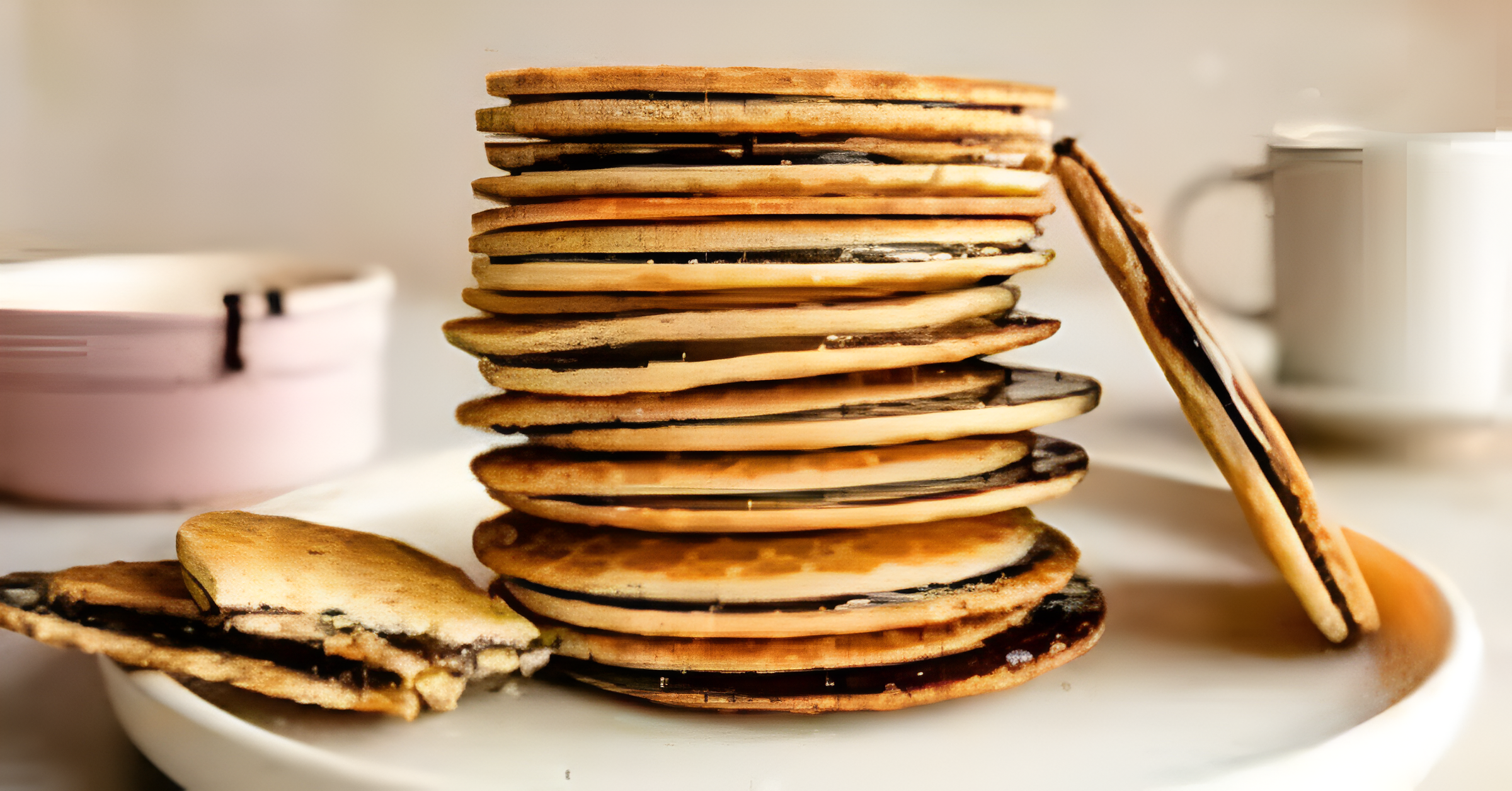
Netherlands — Stroopwafels: Dutch Dessert Engineering
Two thin waffle layers glued together with molten caramel syrup.
That’s it. That’s the whole invention. And it’s genius.
Why this snack matters:
Stroopwafels were created in the 18th century from bakery scraps mixed with syrup — a poor man’s dessert transformed into a national treasure. The Dutch know efficiency better than anyone.
Traveler insight:
Warm your stroopwafel over your coffee. The caramel melts. Your soul ascends.
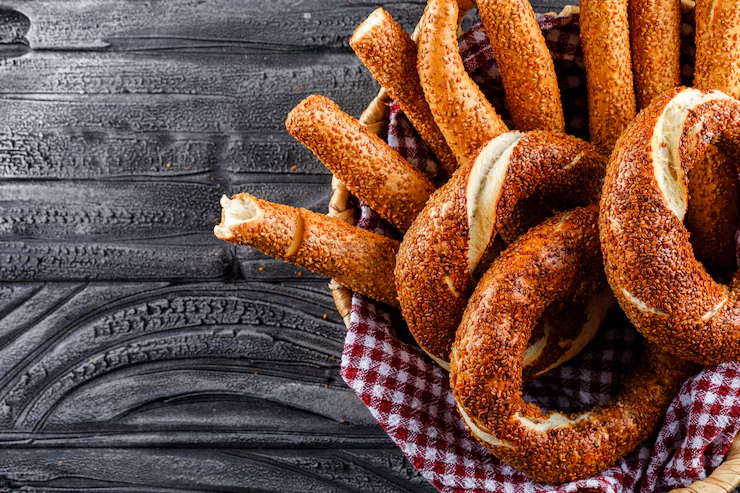
Turkey — Simit: The Sesame Halo of Istanbul
Simit is the perfect street snack: chewy, slightly sweet, covered in sesame seeds, and sold from bright red carts on every corner of Istanbul.
Why this snack matters:
Simit has fed Turkey for centuries — from sultans to students. It’s the backbone of Turkish street culture and one of the cheapest, tastiest breakfasts on Earth.
Traveler insight:
Pair it with Turkish tea. That’s the full experience.
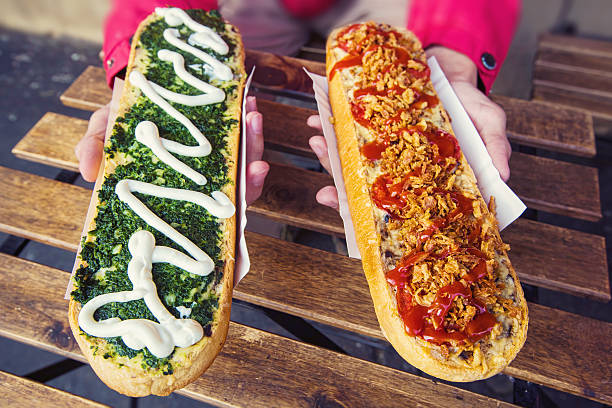
Poland — Zapiekanka: The Slavic Baguette of Glory
A zapiekanka is basically a long baguette sliced open, drenched in mushrooms and cheese, toasted until melty, then drizzled with ketchup like someone lost control of the bottle.
Why this snack matters:
It became popular during communist times as a cheap, filling snack — and now it’s a nostalgic classic, especially in Kraków’s night markets.
Traveler insight:
Order it extra crispy. Thank me later.
🏆 And the Winner Is… Your Stomach
There’s no real winner here — because every one of the European countries has mastered the art of feeding hungry humans on the go. From France’s elegant folds to Germany’s saucy sausages, Europe proves that good street food doesn’t need a table, a plate, or even dignity. Just hands, hunger, and a willingness to get a little messy.
If you are feeling lucky and want to randomly decide which Country from Europe to travel to, for your journey, then click here to go to our random European country generator.
Leave a Reply