Superstitions are like those weird cousins at family reunions: everyone sort of knows them, nobody quite admits to loving them, but they’re definitely part of the story. Around the world, there are beliefs so bizarre you’ll half-guess someone made them up… but nope, people really believe them. Here are ten of the strangest superstitions from different countries, complete with jaw-drops and “Wait… what?” moments.
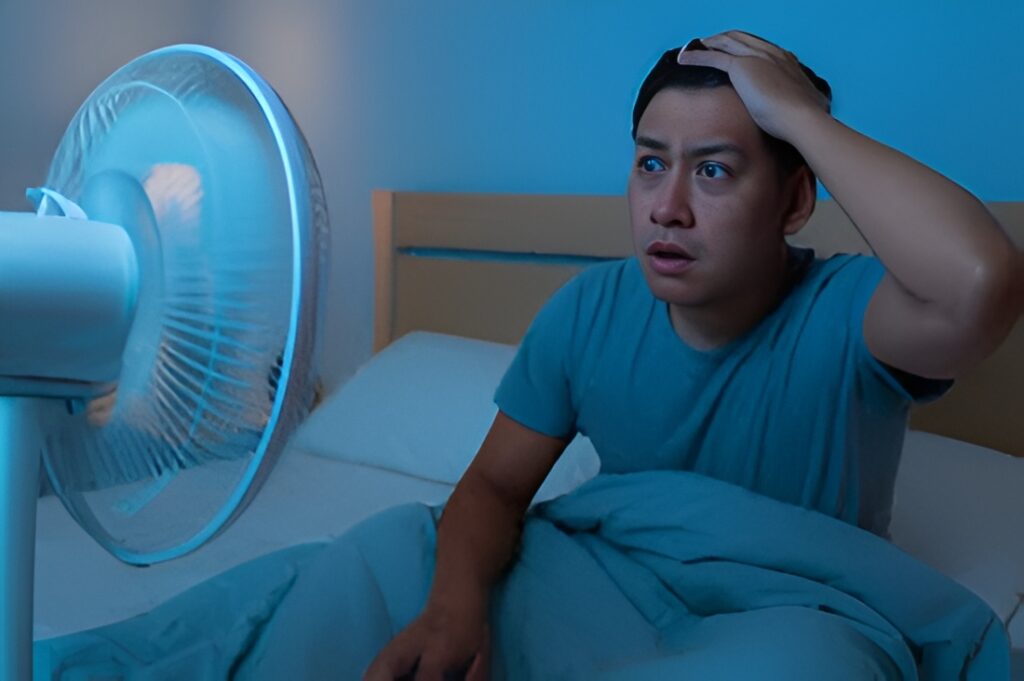
1. South Korea – Fan Death
In South Korea, there’s a widely held belief that running an electric fan in a closed room while you sleep can kill you. It’s called “fan death.” Ventilation myths, overheating fears, possibly misinterpreted medical cases — whatever the origin, many still heed the warning, putting timers on fans or avoiding leaving them on all night.

2. Turkey – Chewing Gum After Dark Turns Into Rotting Flesh
Yes, this one is delightfully horrifying. In Turkey, folklore warns that if you chew gum after sunset, it becomes something like decaying flesh in your mouth. The logic? No idea. But the belief is strong enough that many simply avoid chewing gum at night just in case.
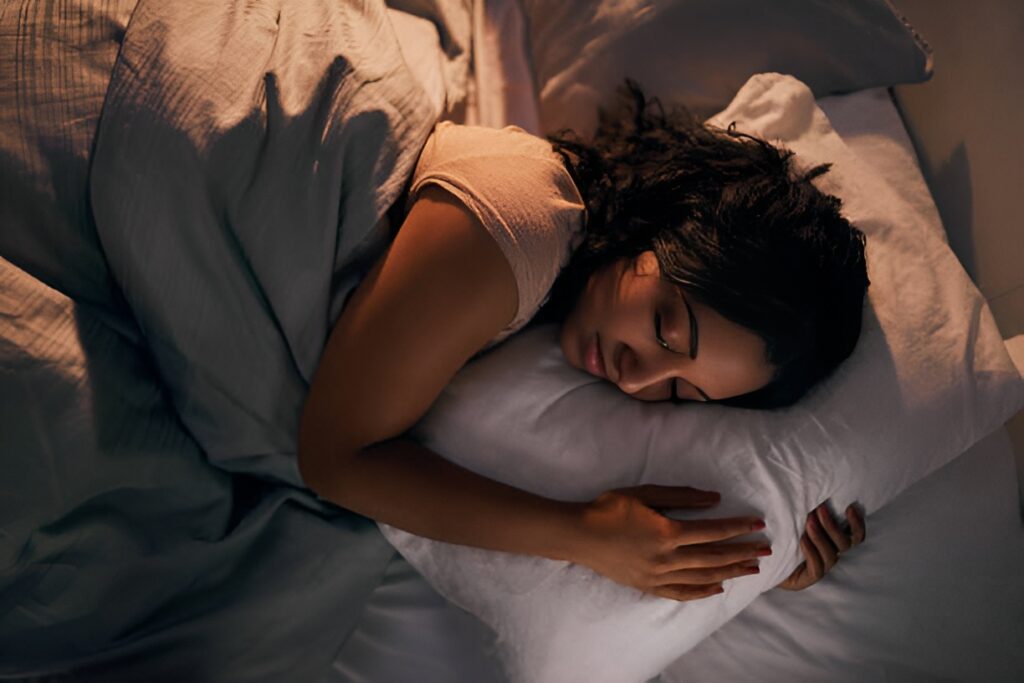
3. Japan – Sleeping with Your Head Facing North (Death Invites There)
In Japan, it’s considered bad luck (or worse) to sleep with your head directed north. The belief comes from funerals: corpses are traditionally laid out with their heads to the north, so sharing that orientation in life is thought to invite death. Many beds are positioned accordingly to avoid this.

4. Spain (and Other Spanish-Speaking Countries) – Tuesday the 13th
Most of us freak about Friday the 13th. But in Spain (and many Latin American places), Tuesday the 13th is the “doomsday” equivalent. The phrase “En martes, ni te cases ni te embarques” (“On Tuesday, neither get married nor set sail”) is commonly used. The association of Tuesday with the god of war, plus historical battles, gives it this ominous vibe.

5. Russia – Whistling Indoors Means You’ll Whistle Away Your Wealth
In Russia, it’s bad luck to whistle inside the house. Why? The superstition says that whistling indoors causes your money to “fly away.” (Economics by superstitions — very literal.) If you whistle, better hope your bank account doesn’t listen.
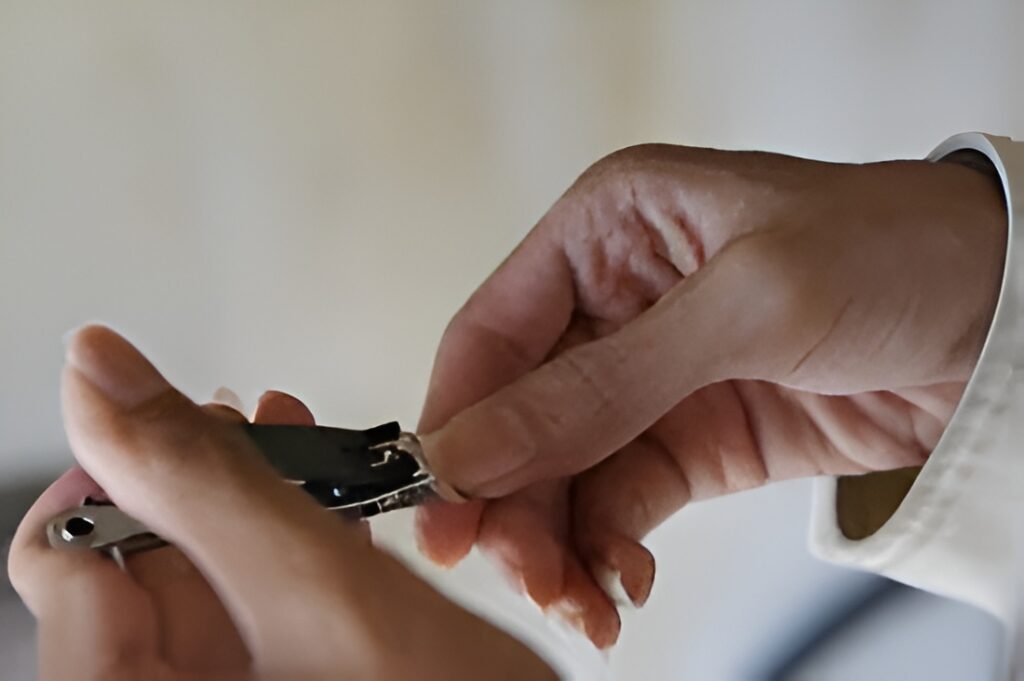
6. India – Cutting Your Nails at Night & Other Eclipse-Fears
In India, there are a few superstitions that make night a no-go zone. One: cutting nails after dark is said to invite trouble — spiritual or otherwise. Two: solar eclipses are sometimes feared as dangerous events, with beliefs that the sun’s rays become toxic and people staying indoors during them.
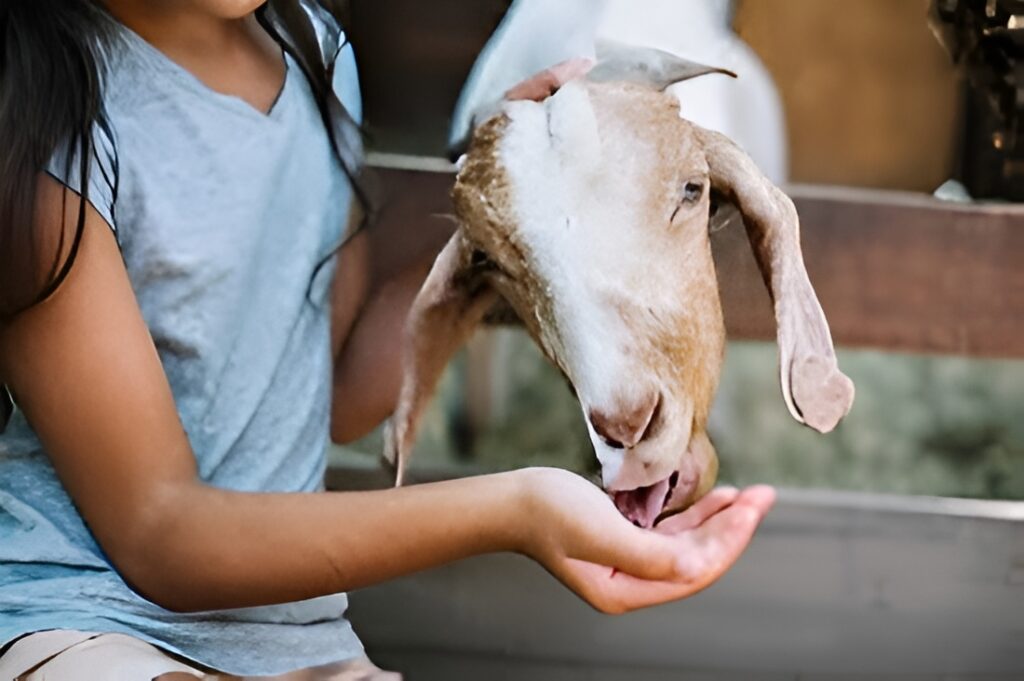
7. Rwanda – Eating Goat Meat & Growing Facial Hair
Here’s one that would make you think twice at the dinner table. In Rwanda, some believe that women who eat goat meat will grow facial hair (or become more “masculine,” however that is defined locally). The belief’s origin seems to be rooted in gender norms, taboos, folklore, but it’s very real in many rural areas.

8. Lithuania – Whistling Indoors Summons Bad Luck
Whistling indoors is a no-no in Lithuania. It’s believed to draw misfortune — possibly because of ancient ideas about the wind/spirits being called in by high-pitched sounds, or simply the notion that disturbances inside the home upset harmony. Wherever it came from, many Lithuanians still avoid the tune indoors.
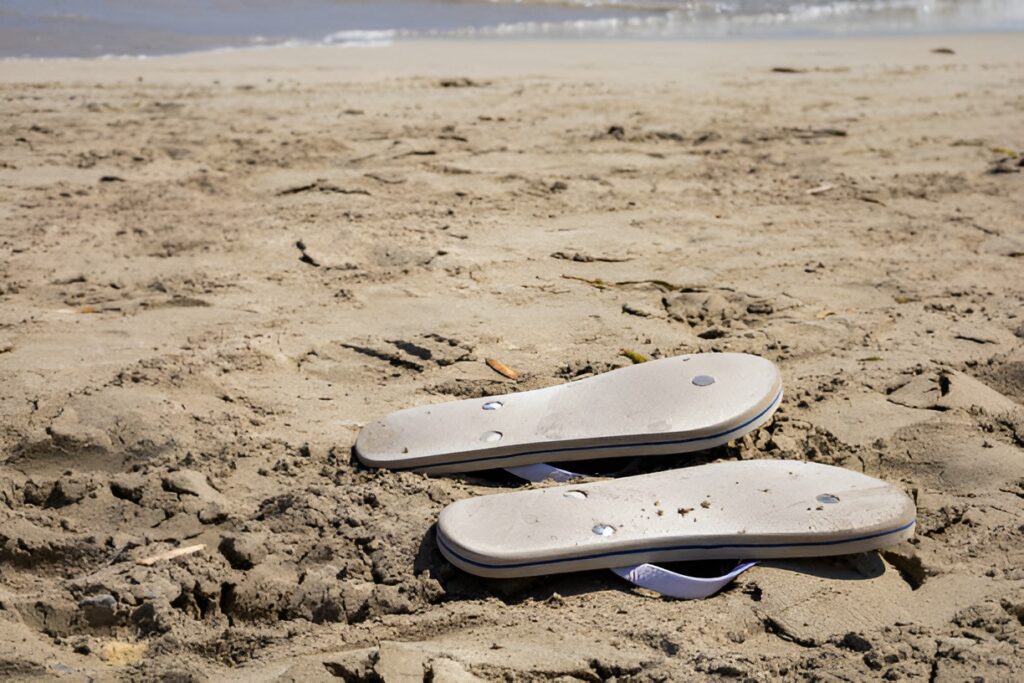
9. Turkey (Again!) – Slippers Upside-Down Means Death
Turkey seems to have a knack for superstitions that involve ordinary objects in scary ways. One popular belief: if slippers are found upside down in the house, it’s a sign that someone is going to die in that home. So always place your slippers the “right” way.
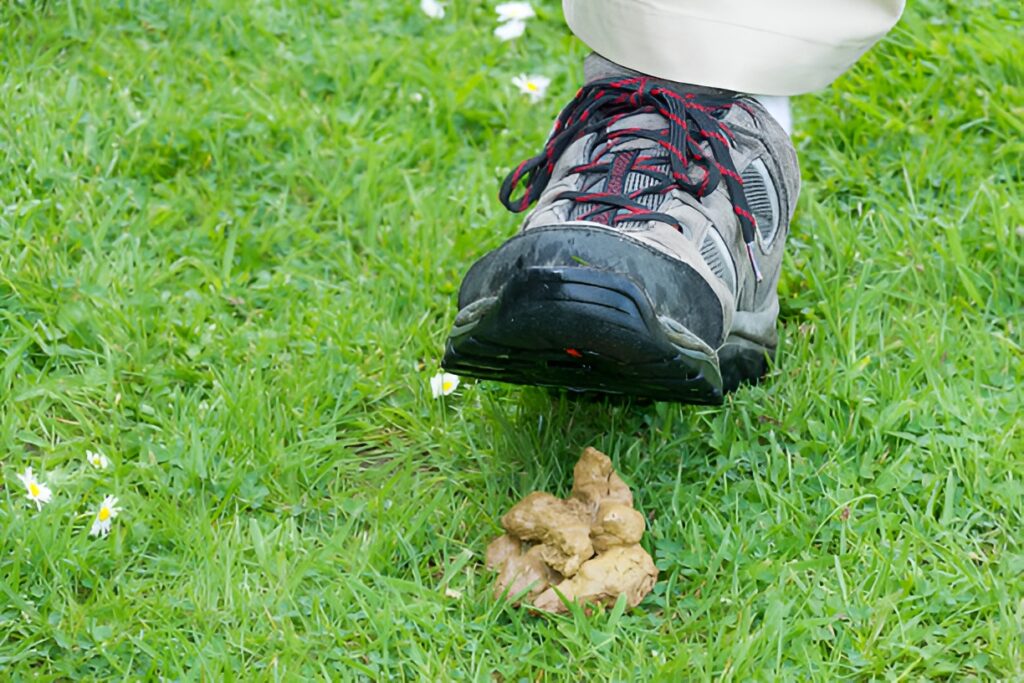
10. France – Stepping in Dog Poop: Foot Matters
Dog poop + your shoe already feels bad. But in France, which foot you step with supposedly matters: stepping in dog poop with your left foot is considered good luck. Do it with the right, and bad luck looms (though cleaning up is still mandatory).
Why These Superstitions Stick Around
Because humans are weird. 😂 But more seriously:
- Many of these beliefs filled a practical gap once (like explaining death, warning about dangers, or guiding behavior) before science came along.
- They often tie into culture, religion, family norms — which makes them sticky.
- Fear & the unknown are powerful motivators. If there’s even a small chance something bad might happen, folks often’d rather not risk it.
- They also serve as social glue — knowing what not to do can signal you’re “one of us.”
What They Tell Us About Culture
These superstitions are windows into:
- What a society fears (death, poverty, spirits)
- Which everyday things people feel they can’t control (weather, illness, misfortune)
- How norms and taboos are enforced subtlety
- The poetic way folklore can “decorate” the mundane
Final Thoughts On The Strangest Superstitions:
If you are feeling lucky and want to randomly decide which Countries from Europe to travel to, for your journey to see these superstitions, then click here to go to our random European country generator.
Leave a Reply