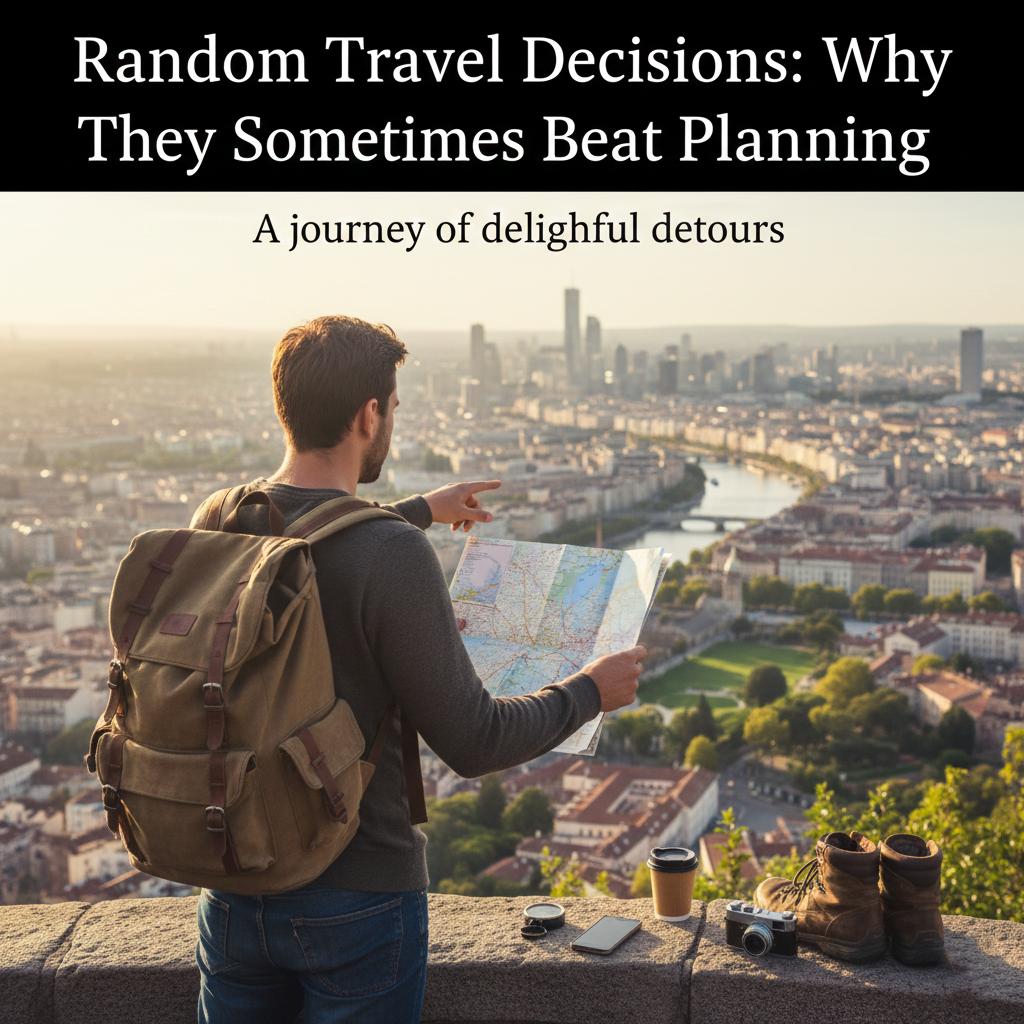
Planning a trip is supposed to be exciting.
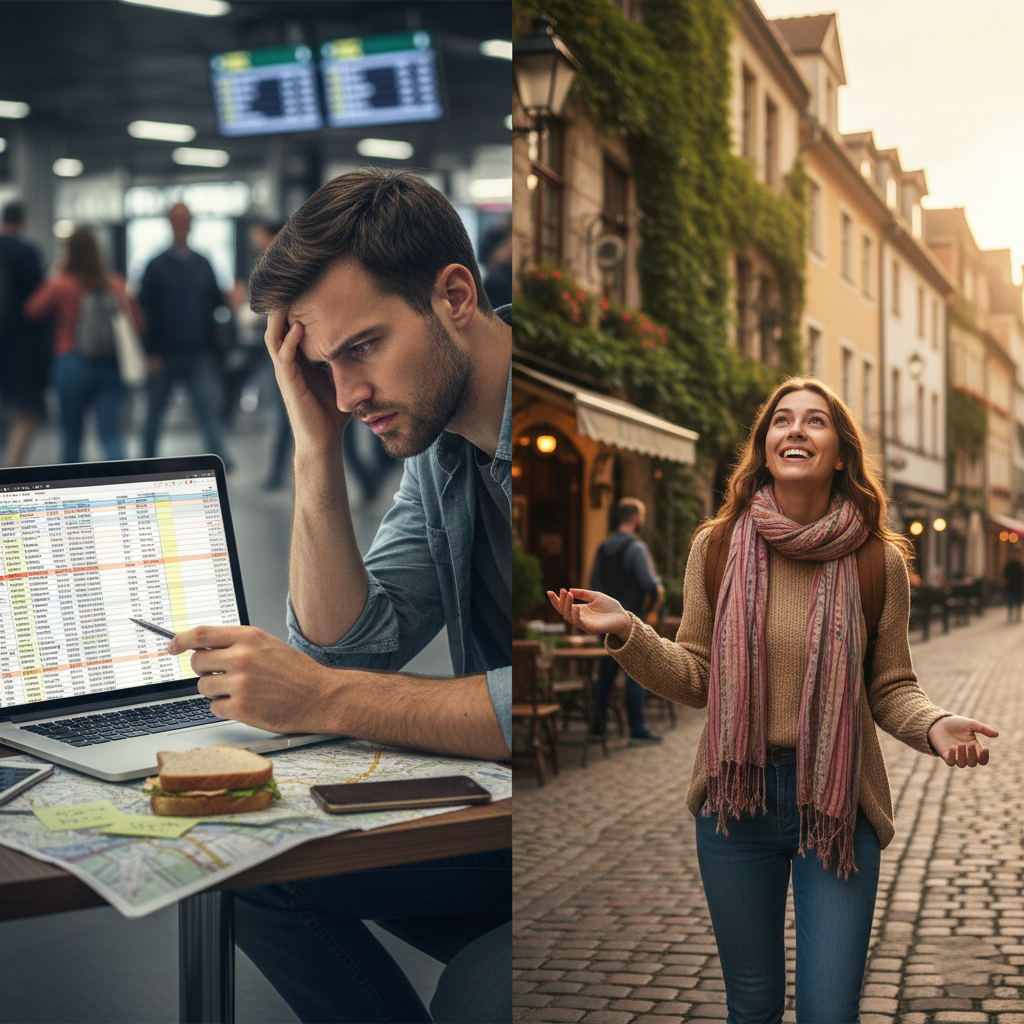
Instead, it often turns into a spreadsheet-induced personality crisis.
You start with innocent intentions: “Let’s visit Europe.”
Three hours later, you’re arguing with yourself about train passes, hotel cancellation policies, and whether Budapest is still cool or already “too discovered.”
At some point, a dangerous thought appears:
What if I just… didn’t overthink this?
Random travel decisions sound irresponsible. Reckless. Something your bank app would strongly disapprove of. And yet—time and again—people stumble into their best trips by doing the exact opposite of meticulous planning.
This isn’t an argument against preparation. Passports still matter. So does not sleeping on park benches unless that’s your brand.
This is about why controlled randomness—strategic unpredictability—often produces better travel experiences than obsessively planned itineraries.
Let’s unpack why.
The Myth on Travel Decisions: More Control = Better Trip
Modern travel culture worships optimization.
We plan routes to the minute. We pre-book attractions months ahead. We research “hidden gems” that are now hiding from no one. We want certainty, value, efficiency, and Instagram lighting.
The assumption is simple:
If I plan enough, nothing will go wrong.
Reality disagrees.
Over-planning creates a fragile trip. When one thing goes sideways—a delayed train, bad weather, a closed museum—the whole plan starts collapsing like a poorly stacked croissant tower.
Random decisions, by contrast, create flexible trips.
When nothing is rigid, nothing is ruined.
Missed a connection? That’s the trip now.
Unexpected city? Welcome to the story.
Random Travel Forces You Into the Present
Planned travel lives in the future.
Random travel lives where you are.
When everything is pre-decided, your brain is constantly jumping ahead:
- “Are we late?”
- “Is this worth it?”
- “We need to leave in 23 minutes.”
Random decisions remove the mental timer.
You stop optimizing moments and start experiencing them. You linger longer because there’s no schedule breathing down your neck. You notice details because you’re not rushing toward the next “must-see.”
Ironically, randomness often makes travel feel slower—even when you’re covering more ground.
The Psychology: Why Surprise Hits Harder Than Satisfaction
There’s a neurological reason random trips feel better.
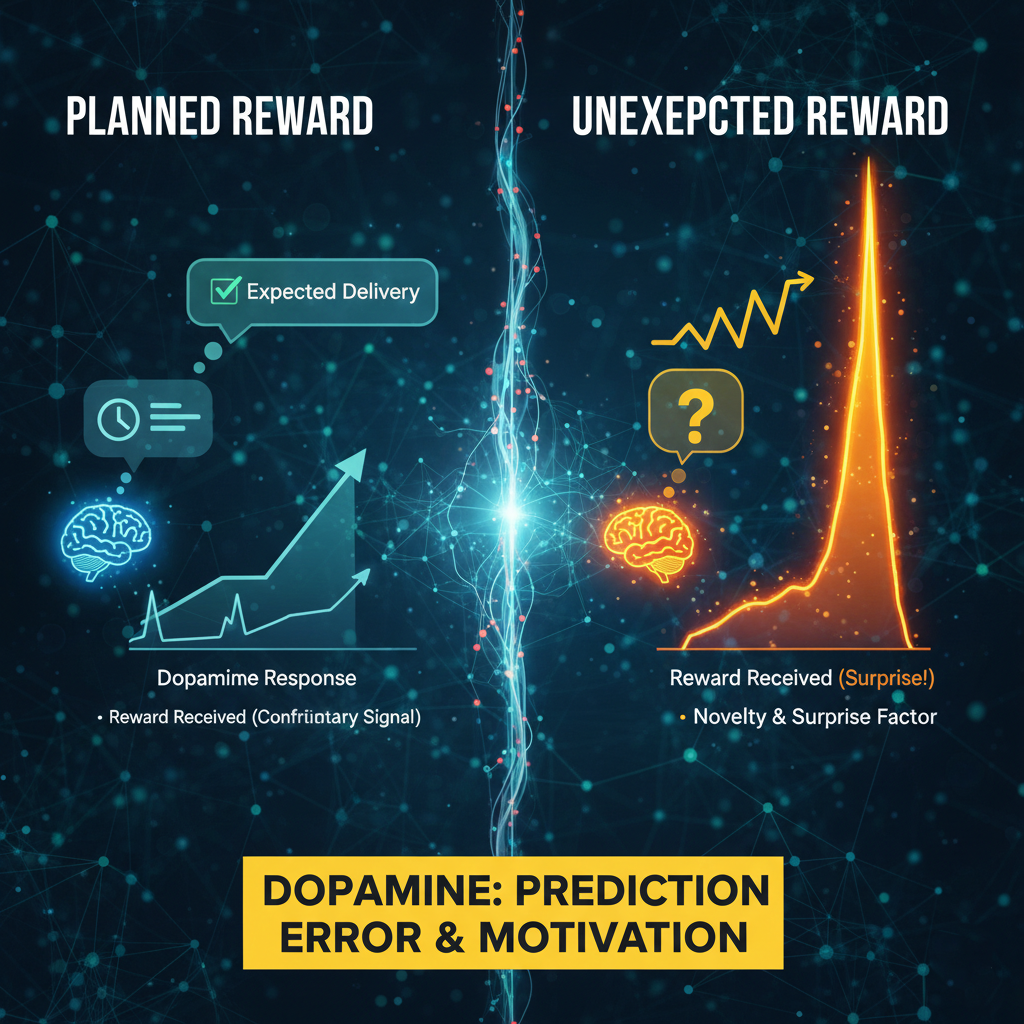
Dopamine—the brain’s reward chemical—spikes higher with unexpected rewards than predictable ones. That means stumbling into a great café you didn’t plan creates more joy than visiting a famous one you researched for weeks.
Planned joy is fine.
Accidental joy sticks.
That random coastal town you’d never heard of?
Your brain files that under core memory, not trip checklist item #14.
When Planning Backfires (And It Often Does)
Planning isn’t neutral. It shapes expectations.
You’ve seen the photos. Read the reviews. Watched the reels. Your brain has already visited the place before your body arrives.
So when reality doesn’t perfectly match the highlight reel—crowds, noise, weather—you feel disappointed, even if the place is objectively great.
Random travel avoids this trap entirely.
You can’t be disappointed by expectations you never built.
Random Doesn’t Mean Stupid
Let’s be clear: this is not “close your eyes and board a random flight with no passport.”
Smart randomness has boundaries.
Think of it like this:
- You choose the region, not the city.
- You set the budget, not the itinerary.
- You plan the first night, not the entire week.
Within those guardrails, you let chance handle the rest.
This balance gives you safety and surprise.
Why Random Travel Often Saves Money
This part surprises people.
Random travel frequently costs less than planned travel because it works with availability, not against it.
When you’re flexible:
- You grab cheaper flights because dates don’t matter.
- You stay longer in places where accommodation is affordable.
- You avoid overpriced “must-see” attractions because you’re not emotionally invested in them.
Planners pay premiums to preserve their plan.
Random travelers adapt to what’s cheap right now.
You Meet Different People When You’re Not Rushing
Planned trips attract planned people.
Random trips attract humans.
When you’re not sprinting between landmarks, you talk more—to locals, other travelers, café owners, train seat neighbors.
These conversations don’t happen when you’re checking Google Maps every five minutes.
Random travel creates dead time. Dead time creates stories.
The Illusion of “Wasted Time”
Planners hate “wasting time.”
Random travelers redefine it.
That unplanned afternoon with nothing to do?
That wrong train you accidentally boarded?
That town you stayed an extra night because you liked the vibe?
Those are rarely the moments people regret.
They’re usually the ones people talk about ten years later.
Random Travel Builds Confidence (Quietly)
There’s a subtle psychological upgrade that comes from navigating uncertainty.
Each time you:
- Figure out transport on the fly
- Solve a problem without Google
- Adapt instead of panicking
You teach your brain something important:
I can handle this.
That confidence doesn’t stay on the trip. It follows you home.
Why Europe Is Perfect for Random Travel
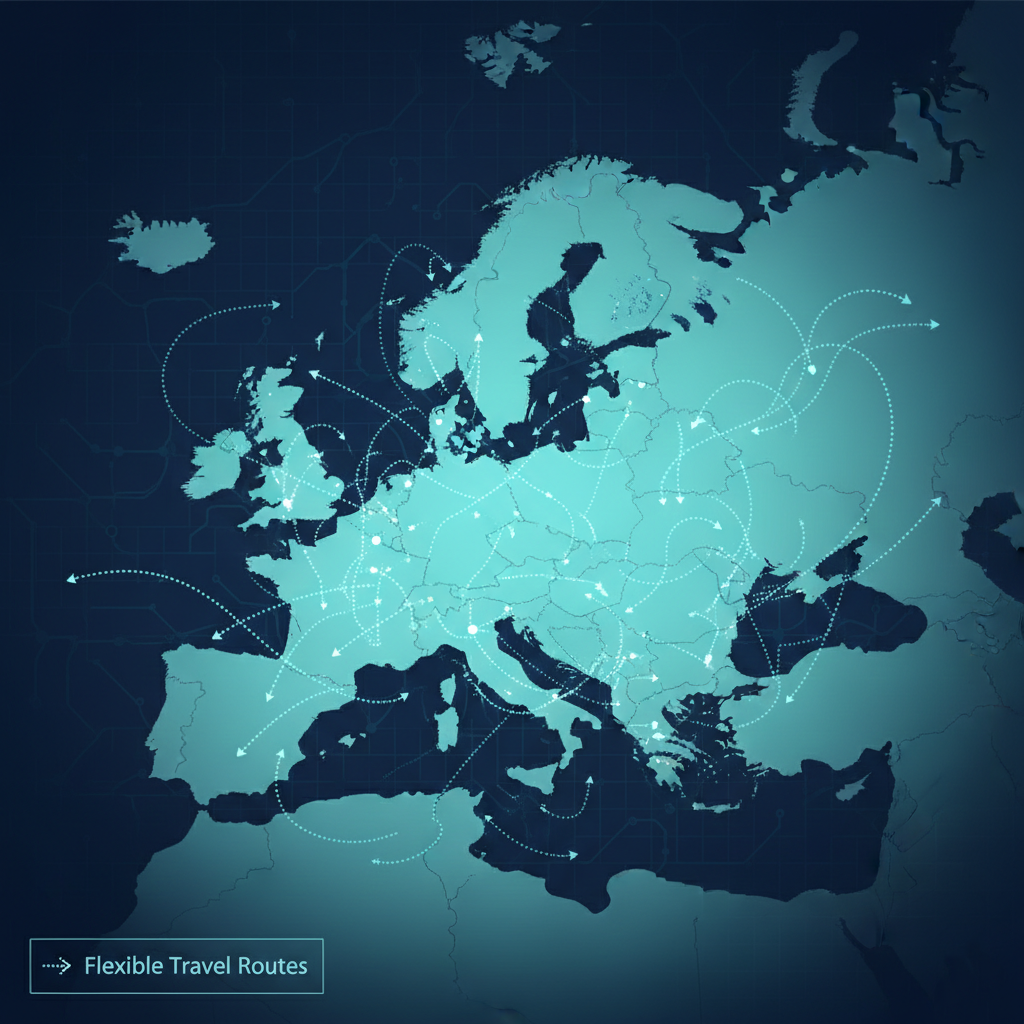
Europe is uniquely suited for this approach.
Short distances. Dense transport networks. Walkable cities. Cultural variety packed into small spaces.
You can change countries on a whim and still be back for dinner.
Random travel in Europe feels adventurous without being dangerous. That’s a rare combo.
The “Random Choice” Effect
One underrated benefit of randomness: decision fatigue disappears.
When you let a system—dice, generators, coin flips—choose for you, something magical happens.
You stop second-guessing.
The decision is made. Your job is to experience it, not debate it.
People often report enjoying trips more when they didn’t choose the destination themselves. Less pressure. Less comparison. More acceptance.
Control Is Comfort. Randomness Is Growth.
Planning feels safe.
Randomness feels alive.
Neither is morally superior—but they create different outcomes.
If you want predictability, plan everything.
If you want stories, leave space for chance.
The best trips usually aren’t perfectly designed.
They’re imperfect, adaptable, and slightly chaotic.
Just like the people who enjoy them most.
Final Thought
Random travel doesn’t mean abandoning responsibility.
It means trusting yourself more than your spreadsheet.
Sometimes the best decision is letting go of the need to decide perfectly.
And sometimes, the country you never considered becomes the one you never stop talking about.
If you’re stuck choosing your next European destination and want to lean into that energy, you already know what to do.
Let randomness take the wheel—for once.
The universe has a surprisingly decent sense of direction.
According to recent travel trend reports for 2026, many travelers are increasingly valuing spontaneity, flexibility, and discovery over rigid, pre-planned itineraries. Industry analysts note that decision fatigue from endless comparisons is pushing people toward experiences where uncertainty becomes part of the appeal, such as mystery trips and road trips that allow for exploration without strict schedules. This evolving mindset reflects a larger trend in 2026 travel, where flexibility and personal discovery are taking priority over over-optimized plans.
Leave a Reply