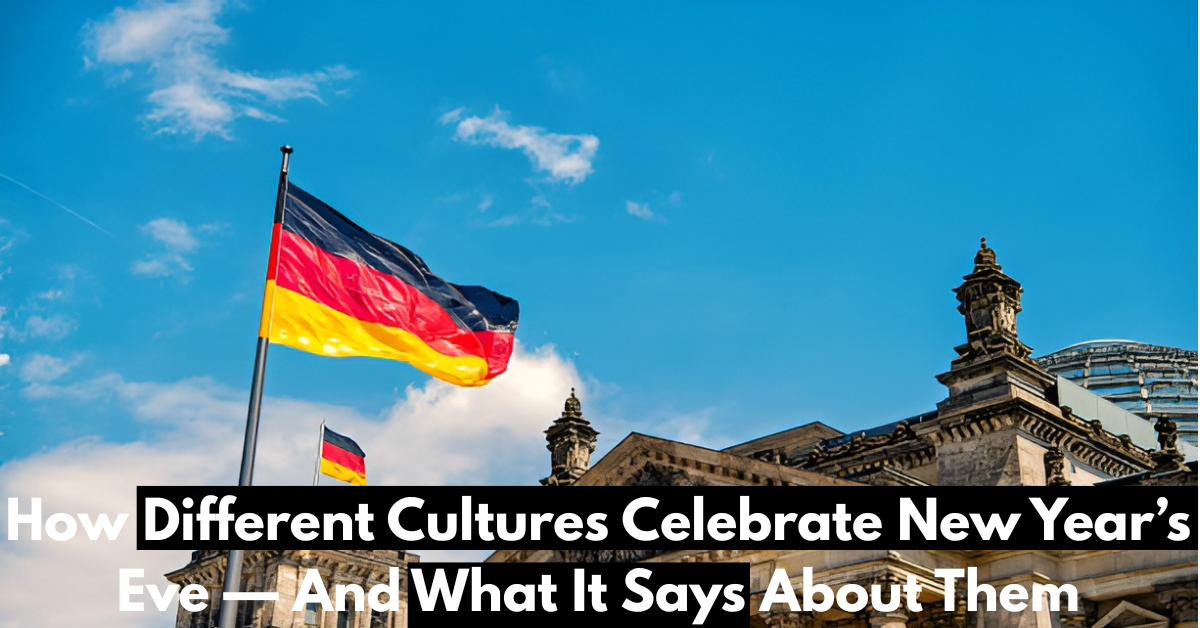
New Year’s Eve is often marketed as a universal moment — fireworks, countdowns, kisses, and promises we’ll break by February. But the truth is far messier and far more interesting.
Across the world, New Year’s Eve isn’t just a party. It’s a ritual. A cleansing. A superstition-fueled negotiation with fate. Some cultures smash things. Others eat very specific foods at very specific speeds. A few set things on fire and call it spiritual growth.
Understanding how countries celebrate New Year’s Eve reveals how they think about luck, time, regret, and fresh starts. Let’s travel the globe, one midnight at a time.
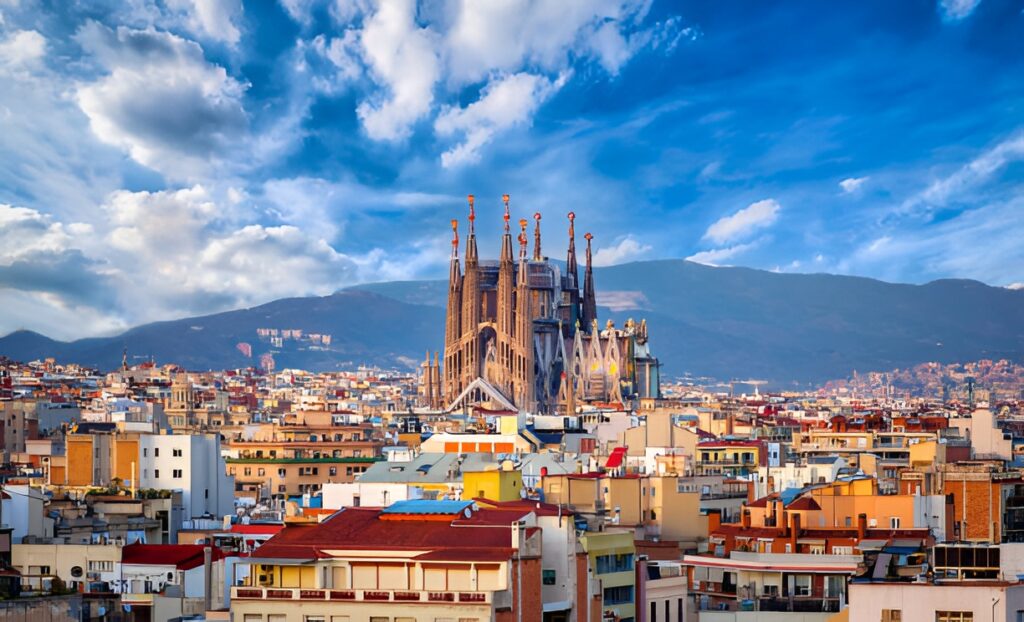
Spain – Racing the Clock with Grapes
In Spain, New Year’s Eve is less about fireworks and more about precision eating.
As the clock strikes midnight, Spaniards eat 12 grapes, one for each chime. Each grape represents luck for a month of the coming year. Miss one? Chew too slowly? Congratulations — February might be emotionally unstable.
This tradition dates back to the early 1900s, when grape growers had a surplus and turned marketing into folklore. It stuck because it’s chaotic, communal, and just stressful enough to feel meaningful.
Why it matters: Spain treats luck as something you actively participate in, not something you passively hope for. The future is earned, one grape at a time.
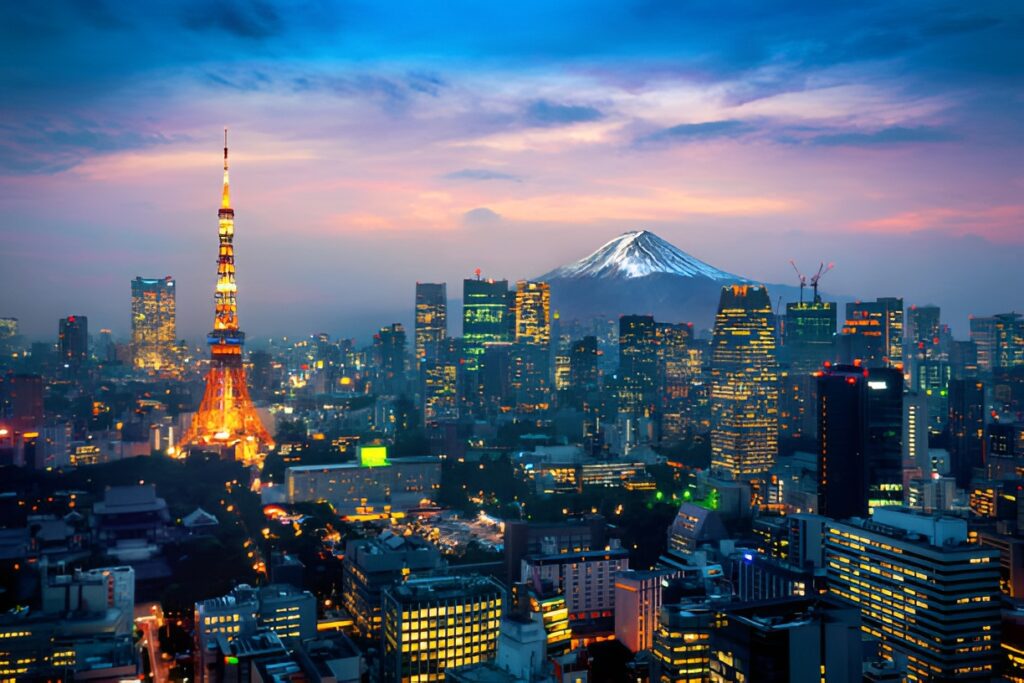
Japan – Letting the Bells Clean Your Soul
While much of the world is counting down, Japan is counting up.
On New Year’s Eve, Buddhist temples ring their bells 108 times in a ritual called Joya no Kane. Each bell toll represents a human desire or flaw — anger, envy, greed — and ringing the bell symbolically clears them away.
People often visit temples just before or after midnight, quietly reflecting rather than partying.
Why it matters: In Japanese culture, the new year isn’t about hype. It’s about resetting your inner balance. You don’t celebrate who you’ll become — you release who you were.
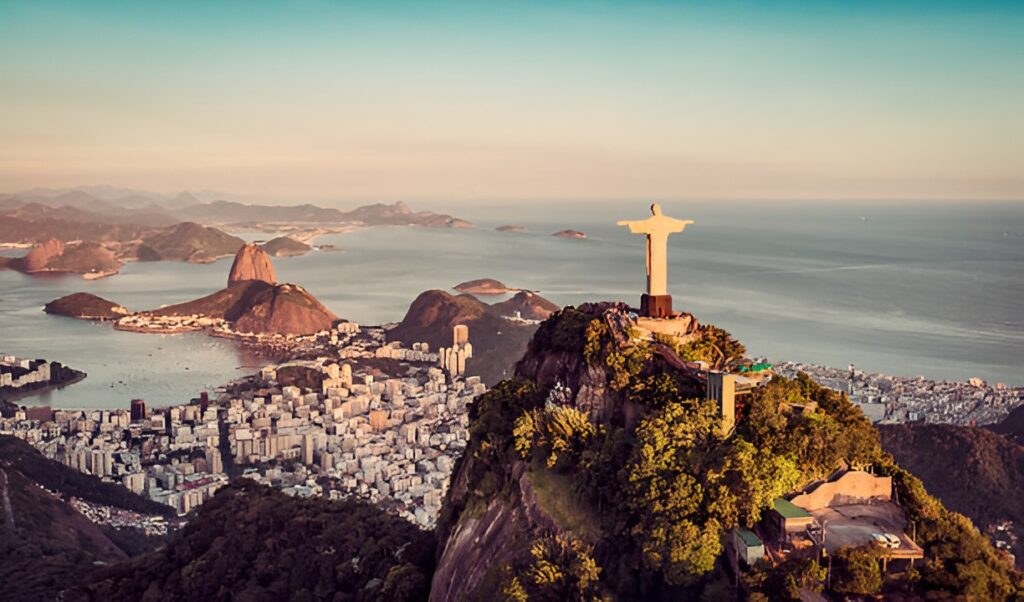
Brazil – Dressing for the Future
In Brazil, New Year’s Eve is a full-body negotiation with destiny.
People wear specific colors based on what they want in the coming year:
- White for peace
- Red for love
- Yellow for wealth
- Green for health
At beaches like Copacabana, millions gather dressed almost entirely in white, jumping seven waves at midnight while making wishes.
Why it matters: Brazil’s NYE blends African traditions, Catholicism, and folk spirituality. The future isn’t random — it responds to symbolism, intention, and vibes.
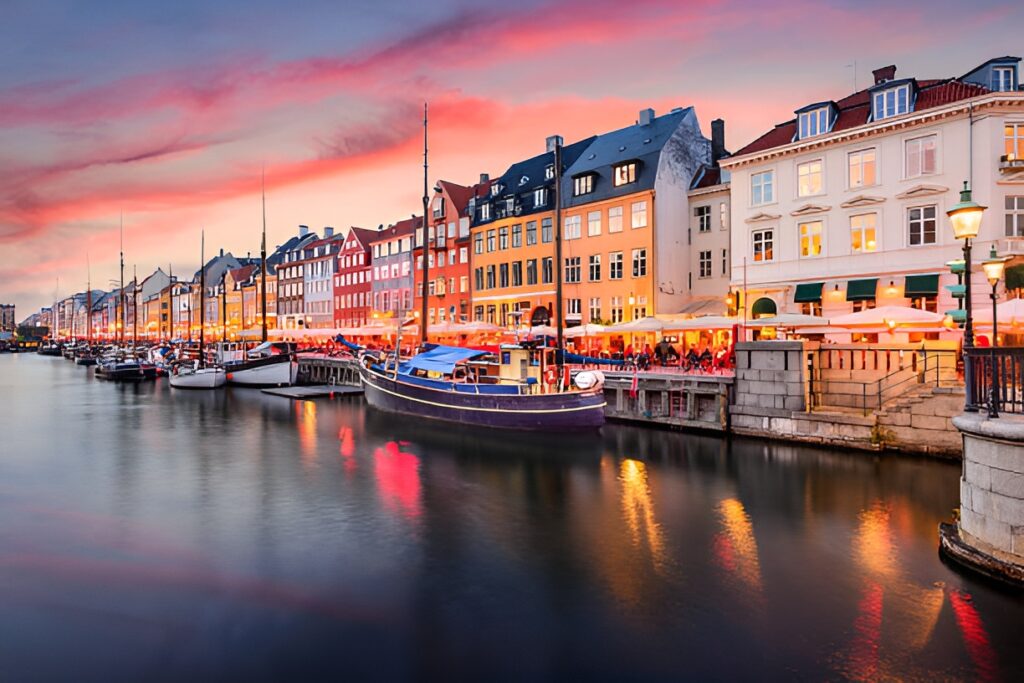
Denmark – Smashing Plates for Friendship
If you wake up on January 1st in Denmark and your doorstep is covered in broken plates, relax. You’re popular.
Danes throw old dishes at the doors of friends and family on New Year’s Eve. The more shards you find, the more loved you are.
They also jump off chairs at midnight — literally leaping into the new year.
Why it matters: Danish culture frames the new year as a collective experience. Luck isn’t individual. It’s social. If you’re surrounded by people, you’re doing it right.

Scotland – Fire, Whiskey, and First Footing
Scotland doesn’t just celebrate New Year’s Eve — it dominates it. Hogmanay is a multi-day event involving torchlight processions, fire festivals, and enough whiskey to blur time itself.
One key tradition is first-footing: the first person to enter your home after midnight brings symbolic gifts like coal, bread, or alcohol to ensure prosperity.
Why it matters: In Scottish tradition, the future enters your home through other people. Who shows up matters. Energy matters. Snacks matter.

Philippines – Make Noise, Invite Abundance
In the Philippines, New Year’s Eve is loud on purpose.
Firecrackers, honking cars, banging pots — noise is believed to scare away evil spirits. Circular shapes dominate the night: round fruits, polka-dot clothes, coins in pockets — all symbolizing wealth.
Why it matters: This is a culture that sees the new year as something that must be claimed aggressively. Silence invites bad luck. Noise invites abundance.
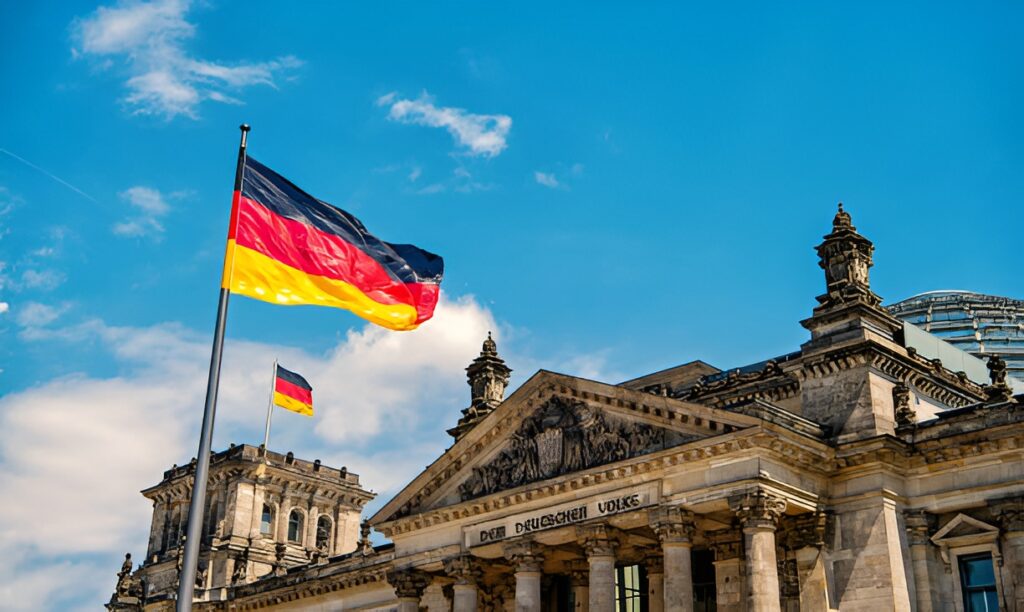
Germany – Predicting the Future with Molten Metal
Germans welcome the new year by melting lead (now wax, for safety reasons) and pouring it into cold water. The shape it forms predicts the future — a ship means travel, a heart means love, a blob means… uncertainty.
This ritual, Bleigießen, turns fortune-telling into a living room science experiment.
Why it matters: Germany treats the future as something you can analyze, even if it’s symbolic. Curiosity beats blind optimism.
Why These Traditions Still Matter
At first glance, these traditions look quirky. But underneath the grapes, bells, and broken plates is something universal: humans hate uncertainty.
New Year’s Eve rituals exist because time scares us. They give us the illusion of control, closure, and continuity. They say, “You made it. Here’s how to begin again.”
Different cultures answer the same question in different ways:
- Do we cleanse the past?
- Do we invite luck?
- Do we face the future together or alone?
There’s no correct way to welcome a new year. But there are endlessly fascinating ones.
And maybe that’s the point. Time moves forward whether we celebrate it or not — so we might as well make midnight weird, meaningful, and memorable.
If you are feeling lucky and want to randomly decide which Country from Europe to travel to, for your New Year’s, then click here to go to our random European country generator.
Leave a Reply