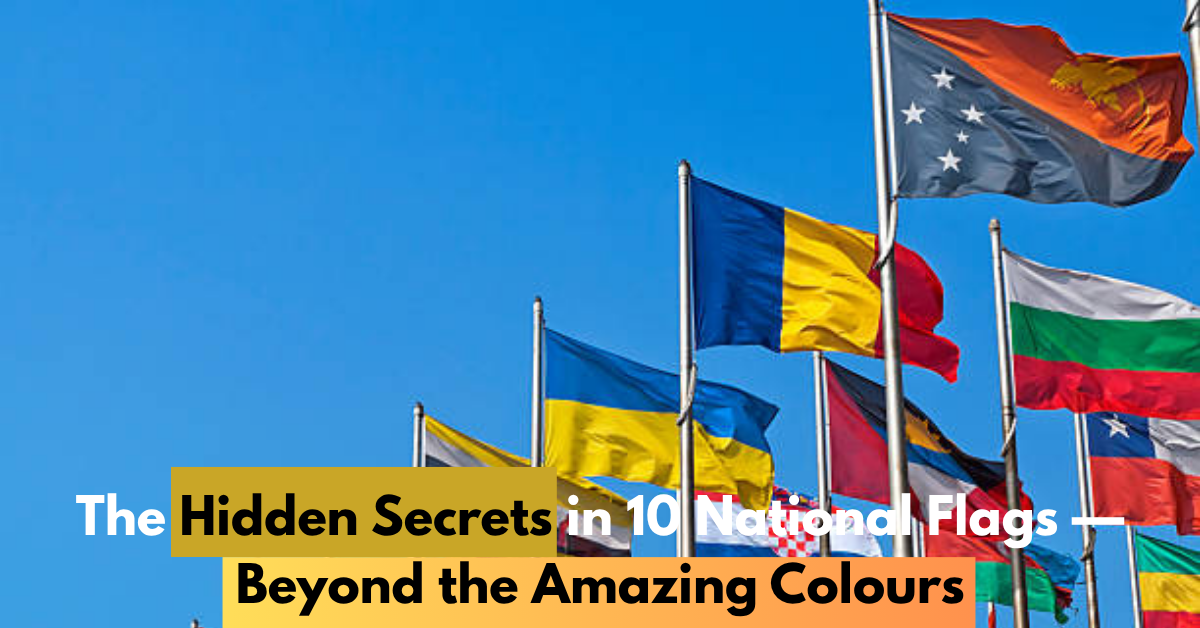
National Flags are more than red-and-white rectangles flapping in the breeze — they’re a history lesson on a pole.
Each stripe, each color, and each bizarre symbol (I’m looking at you, Mozambique’s AK-47) is revealing something.
Come with me on a world tour and let’s break down some of the hidden secrets behind the National flags we pass every day but never actually notice.
Japan – The Simplicity of the Rising Sun
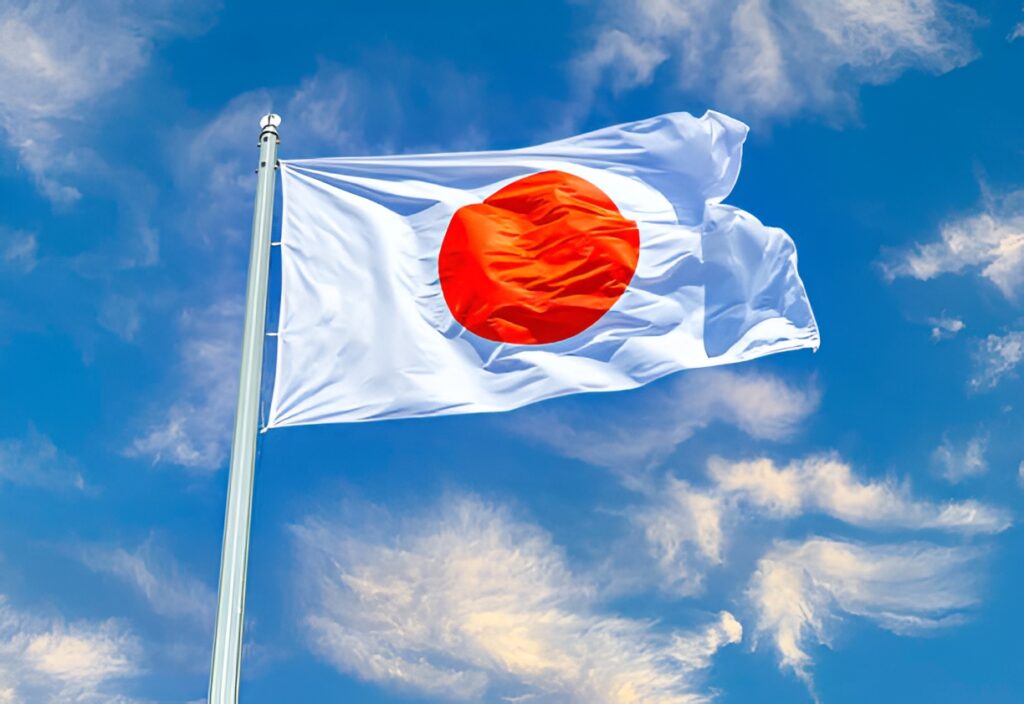
Japan’s flag is minimalism perfected: a red circle centered on a white field. At a glance, it feels almost modern, like the logo of a brand with absolute confidence. But that red disc carries centuries of meaning. It represents the rising sun — the symbol at the heart of Japan’s mythology, tied to Amaterasu, the sun goddess from whom the imperial line is said to descend. It’s not just a design; it’s a cultural origin story distilled into geometry.
The stark white surrounding the sun isn’t empty space. It symbolizes purity, sincerity, and clarity — values woven deeply into Japanese society. With no borders, patterns, or embellishments, the flag is a visual statement: identity doesn’t need ornamentation when it’s built on a powerful myth and a shared sense of collective meaning.
Mozambique – The Only Flag with a Gun on It
Most people glance at a national flag and go, “Nice colors,” and then move on with their day. But flags aren’t random splashes of red and blue flapping in the wind — they’re history textbooks in cloth form. Every symbol, shade, and stripe is basically a compressed national autobiography.
Think of this as your backstage pass to the secret lives of flags. These aren’t “fun facts.” These are the stories countries stitched into fabric to remind the world who they are, what they survived, and what they stand for.
1. Nepal — The World’s Only Non-Rectangular Flag
Nepal refuses to play by the square-flag rulebook. Its two stacked triangles represent the Himalayas and the two major religions in the region.
But here’s the part nobody talks about: the sun and moon are symbols of permanence — a wish that the nation should last as long as the celestial bodies themselves.
Travelers often say Nepal feels timeless. The flag literally says the same thing.
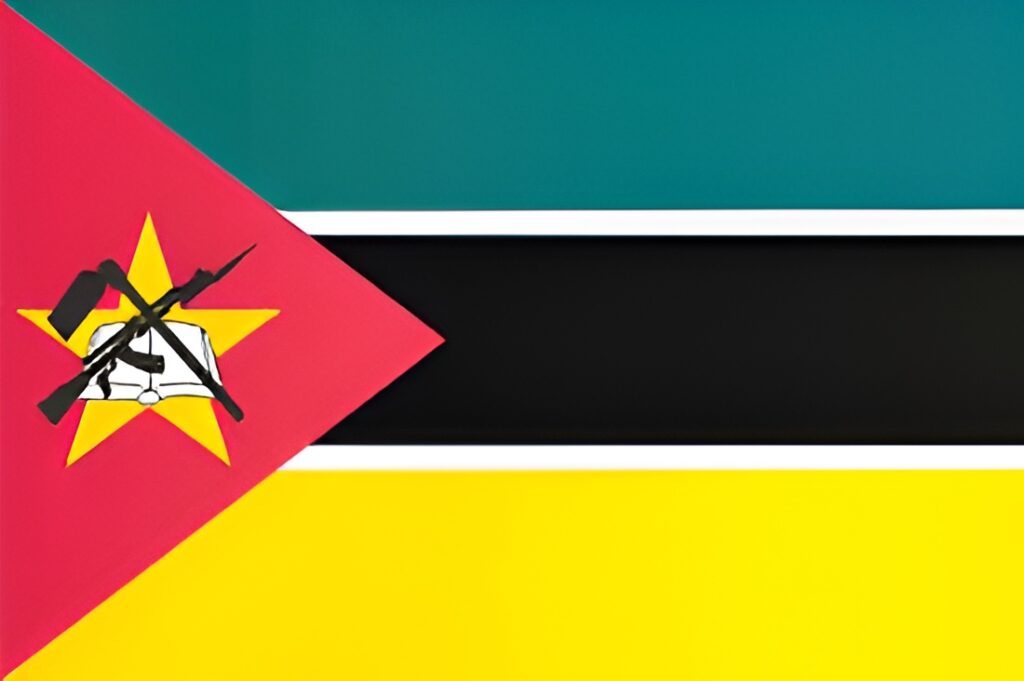
Yes, Mozambique’s flag has an AK-47 on it. And no, it’s not just for intimidation points. It represents the people’s fight for independence and the idea that freedom requires protection.
The open book below it? Knowledge.
The hoe? Agriculture.
Together they say: “Educate the people, feed the people, protect the people.”
A whole national philosophy in one emblem.
Mexico – An Eagle, a Snake, and an Ancient Prophecy
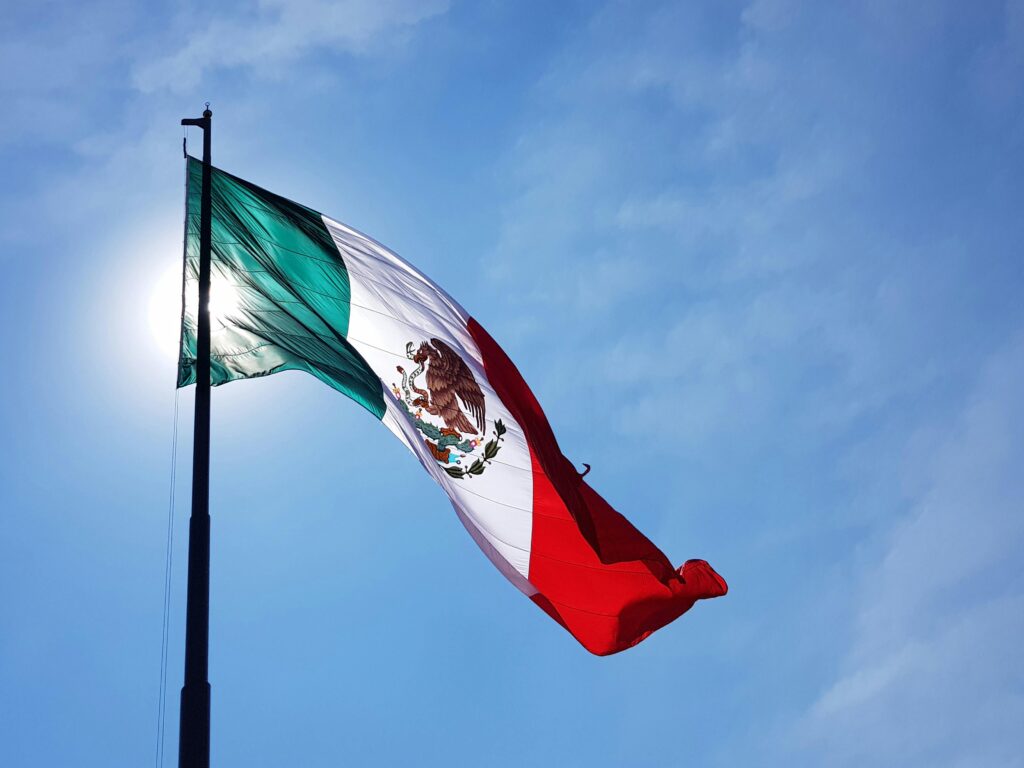
The story sounds like someone lost a bet, but it’s actually an Aztec prophecy. Their gods told them to build their city where they saw an eagle feasting on a snake atop a cactus.
Crazy part? They actually found that sign — right in the middle of a lake.
That lake became Tenochtitlán, one of the greatest cities in the ancient world.
Today, that prophecy lives on in the flag.
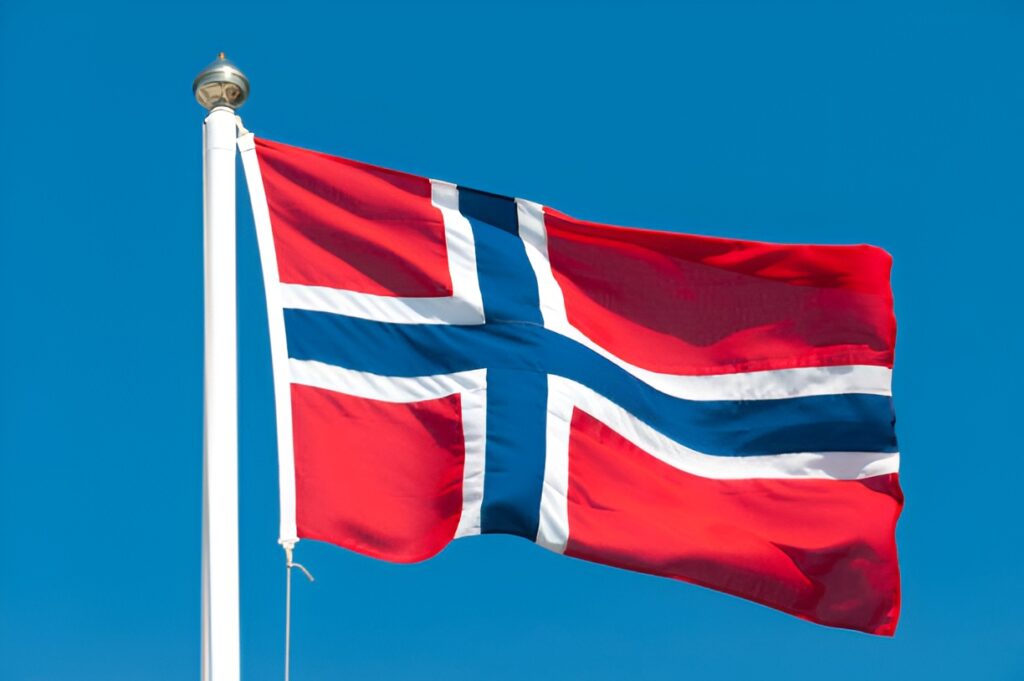
Norway – A Cross of Freedom
Norway’s flag looks simple at first glance: a clean Nordic cross on a red field. But the symbolism runs deep. The red, white, and blue echo the democratic ideals of nations that inspired Norway’s own independence movement. The cross ties it back to centuries of Scandinavian history and Christian heritage — a reminder of the region’s shared cultural backbone.
The hidden charm? This flag quietly says: “We’re Nordic, we’re free, and yes, we do have ’four seasons of winter’ energy.”
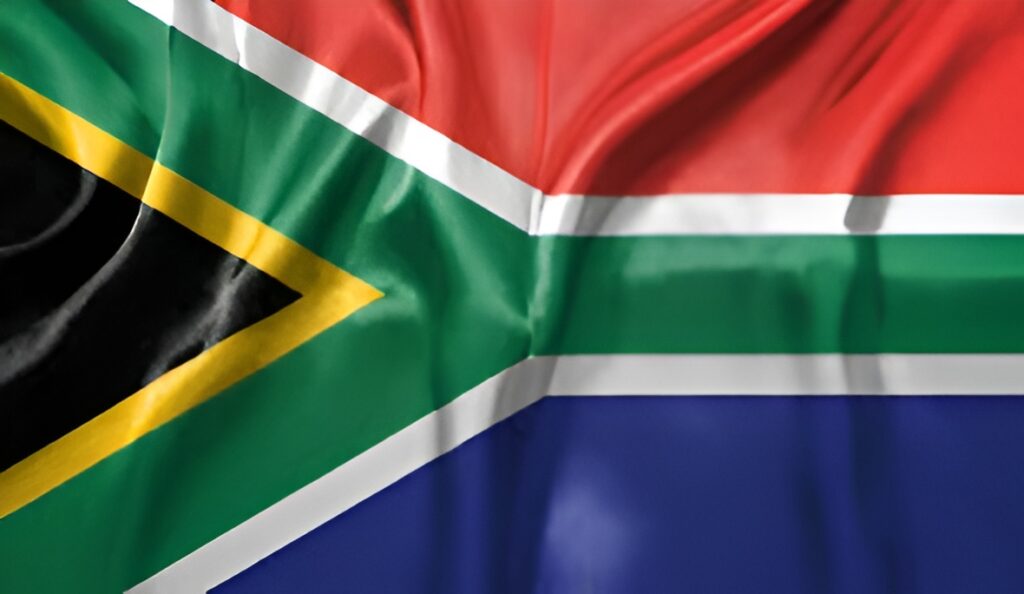
South Africa – The Rainbow Flag That Isn’t
When South Africa emerged from apartheid in 1994, it needed a flag that told a new story — one of unity rather than division. The bold “Y” shape at the center does exactly that. It represents different groups and histories converging into a single path forward, a visual metaphor for a country rebuilding itself through diversity.
The colors are layered with meaning: green for the land, black for the people, gold for natural wealth, red for the struggle and sacrifice that shaped the nation, blue for open skies, and white for peace. It’s a complex palette, almost chaotic, but somehow perfectly balanced — a mirror of the country’s identity.
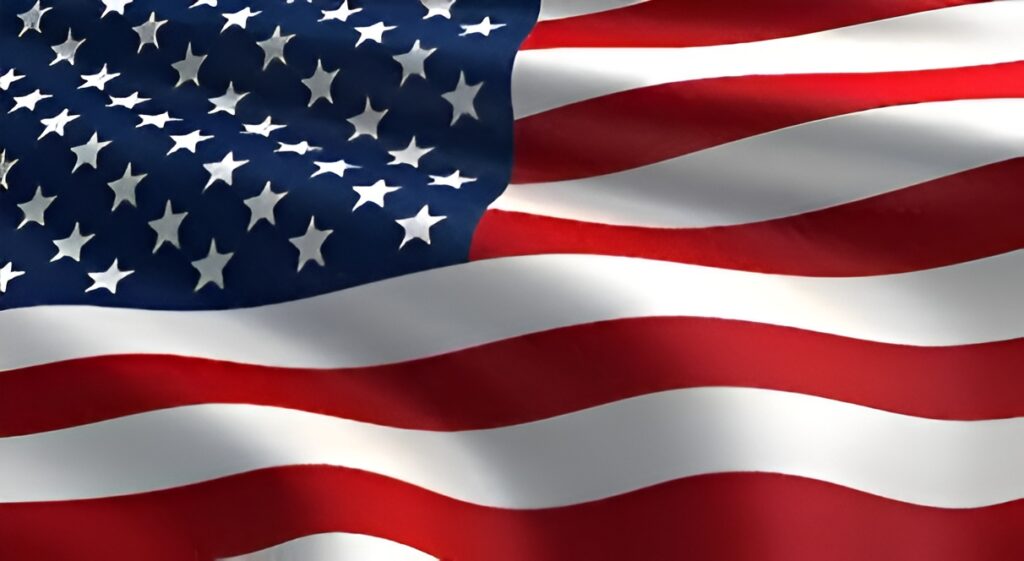
United States — A Flag Built From Revolutions and Ratios
The American flag looks straightforward enough: thirteen stripes for the original colonies and fifty stars for the states that followed. But beneath the clean geometry sits a whole philosophy. Red carries the weight of courage, white speaks to ideals of purity, and blue anchors everything with justice — the trio meant to echo the nation’s founding ambitions, even when reality gets messy.
What most people never notice is how obsessively engineered the layout is. The proportions, the spacing, the star arrangement — all of it was designed to stay visually balanced at any size. That’s why it still looks crisp when it’s the size of a postage stamp… or draped across a football field. It’s built to be unmistakable, whether you’re on Earth or looking down from orbit.
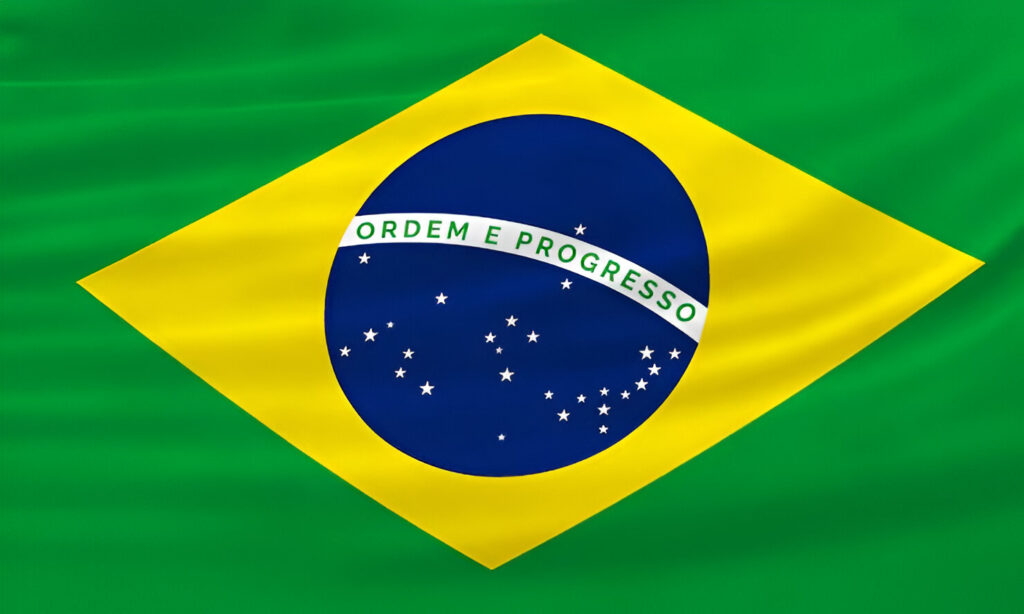
Brazil – Order, Progress, and a Sky Full of Stars
Brazil didn’t just design a national flag — it froze a night in time. The 27 stars scattered across the blue globe aren’t random decoration. They mirror the exact sky over Rio de Janeiro on November 15, 1889, the night Brazil became a republic. Every constellation is placed with astronomer-level precision, and each star stands in for a specific state.
The banner’s motto, “Ordem e Progresso,” ties the celestial map to Brazil’s national identity, blending political hope with cosmic flair. It’s one of the few flags on Earth that asks you to look up — literally and symbolically — to understand its story.
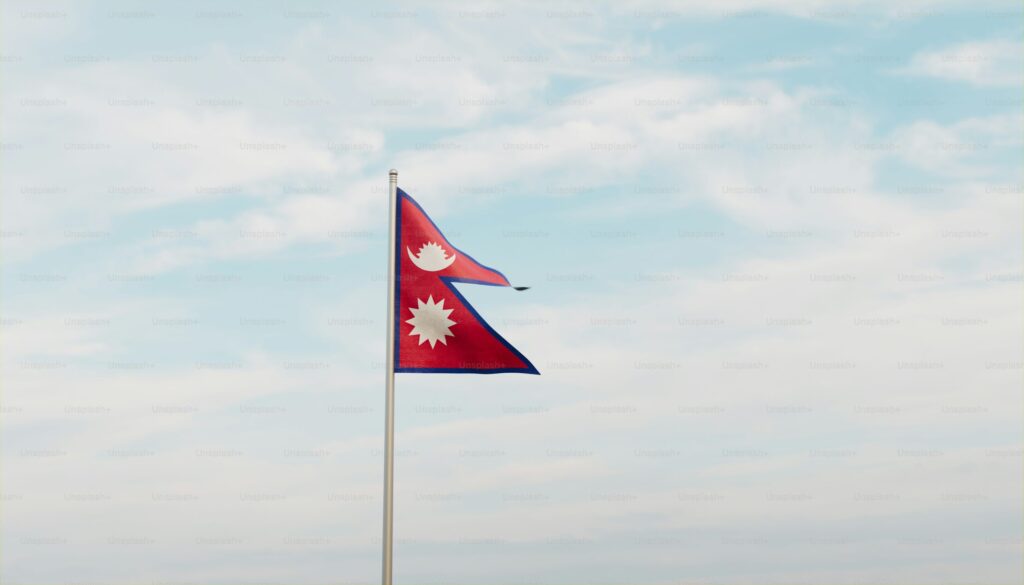
Nepal – The Only Non-Rectangular Flag
Nepal refuses to play by the square-flag rulebook. Its two stacked triangles represent the Himalayas and the two major religions in the region.
But here’s the part nobody talks about: the sun and moon are symbols of permanence — a wish that the nation should last as long as the celestial bodies themselves.
Travelers often say Nepal feels timeless. The flag literally says the same thing.
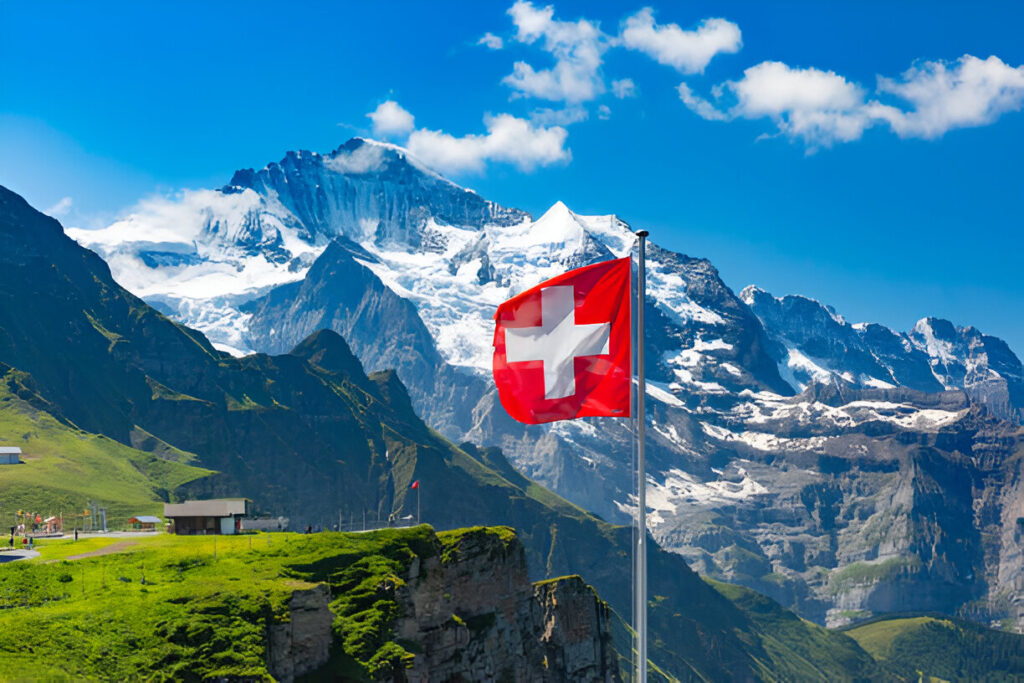
Switzerland – Square, Simple, and Symbolic
One of the only square national flags.
That white cross has medieval origins, but today the flag’s meaning is crystal clear: neutrality, safety, and humanitarian values.
It’s so strongly associated with reliability that its reversal literally became the symbol of global medical aid — the Red Cross.
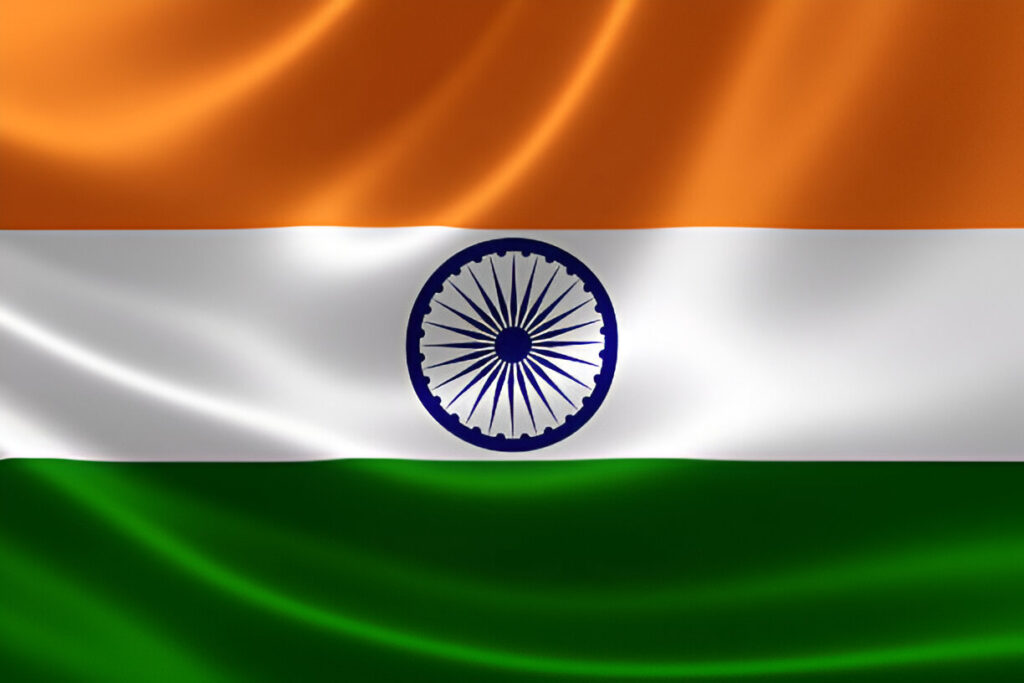
India – The Wheel of Dharma
India’s tricolor is instantly recognizable: saffron for courage, white for truth, and green for growth. But the real heart of the flag is the deep blue Ashoka Chakra at the center — a 24-spoked wheel that represents motion, justice, and the idea that a nation must keep moving forward to stay alive.
The chakra isn’t just decorative. Each spoke corresponds to a virtue drawn from ancient Indian philosophy — patience, duty, self-control, wisdom, compassion, and more. In a way, the flag doubles as a quiet ethical reminder, a visual nudge toward the ideals the country hopes to embody. It’s history, philosophy, and national identity rolled into one perfect circle.
🧩 These National Flags are More Than Fabric
National Flags are powerful. They’re history, pride, belief, rebellion — all stitched together. When people salute a flag, they’re saluting centuries of story.
So next time you see a flag fluttering, don’t just see colors. See revolutions, kings, gods, farmers, and dreamers — all squeezed into a few feet of cloth.
If you are feeling lucky and want to randomly decide which Countries from Europe to travel to, for your journey to check out these any of these National Flags around the world, then click here to go to our random European country generator.
Leave a Reply