When people talk about exploring Europe, they brag about climbing towers, trekking mountains, or getting lost in medieval alleys. Cute.
But the real magic?
It’s underneath all of that.
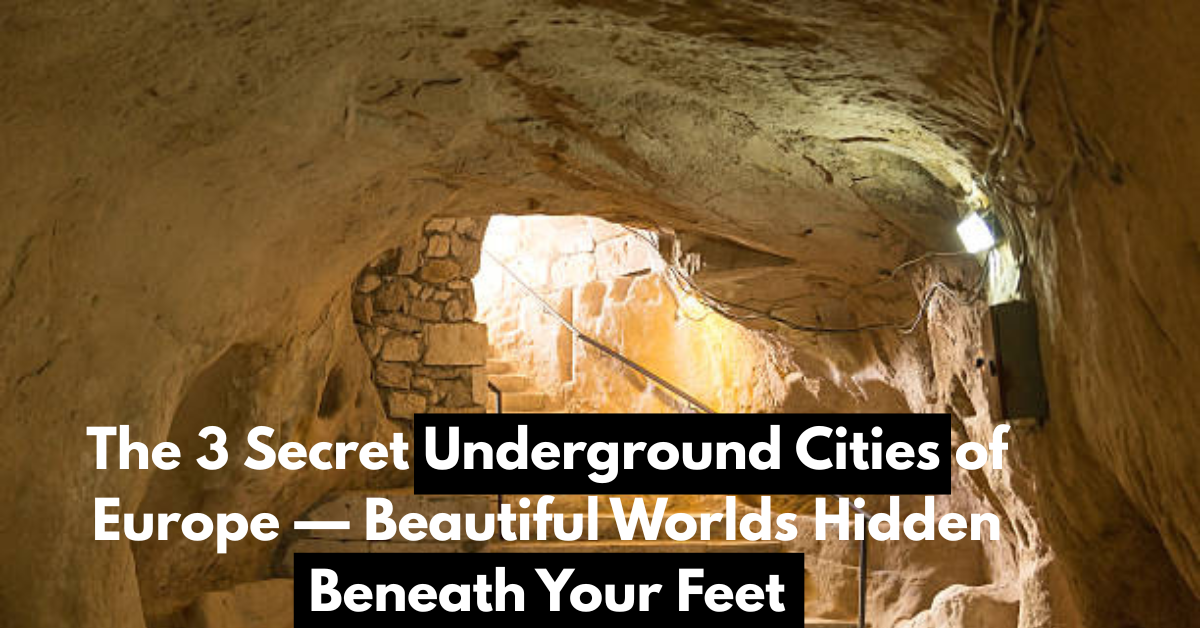
Europe has entire underground cities beneath its cities — places carved by miners, haunted by history, and forgotten by time until modern travelers started poking around with guided tours and camera flashes. These aren’t just “basements with attitude.” They’re full ecosystems, once home to rebels, monks, smugglers, royals, cults, and the occasional rat that probably paid rent.
This journey takes us into three of Europe’s most extraordinary underground worlds: Poland’s glittering salt cathedral, Turkey’s mind-blowing multi-level city of Derinkuyu, and Scotland’s eerie haunted vaults beneath Edinburgh.
Let’s descend.
1. Poland’s Wieliczka Salt Cathedral — The Church Carved From the Earth Itself
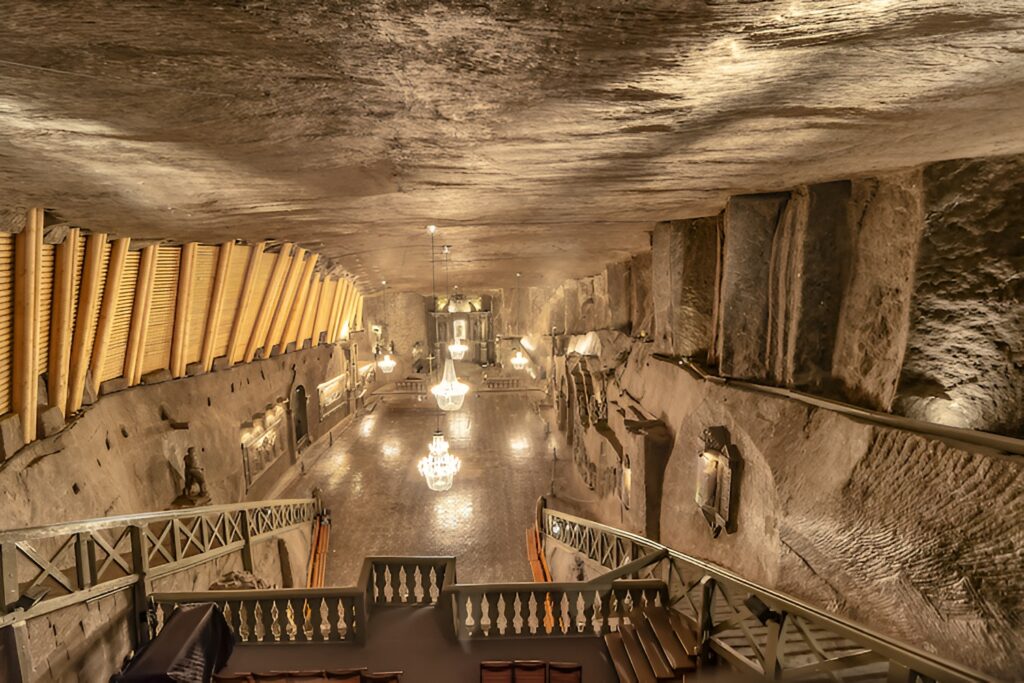
A short ride from Kraków lies Wieliczka, a salt mine so old it makes most European buildings look like newborns. For 700 years, miners carved deeper and deeper, leaving behind sprawling chambers, lakes, tunnels, chapels, and — the showstopper — a full cathedral carved entirely out of salt.
A Cathedral Made by Miners, Not Artists
Everything inside the St. Kinga’s Chapel underground — chandeliers, altars, floors, statues — is carved from rock salt. Imagine Michelangelo on a Red Bull bender… but underground… and with salt.
Miners, working long, brutal hours, built it not out of artistic ambition but spiritual necessity. When you work 300 meters below the surface, you want a place to pray that isn’t creepy darkness with echoes that sound like demons warming up for choir practice.
A Real Religious Site
It’s not just for show — people still get married down here.
Yes, you can literally have a wedding in a salt cathedral.
Your marriage might not be perfect, but your photos will absolutely slay.
Traveler’s Moment You Can Add
Feel the air. It’s thick, mineral-rich, and weirdly refreshing — people with asthma say it helps them breathe better. It’s like nature built a spa in the Earth’s basement.
Why It Matters
Wieliczka is living proof of human resilience and creativity — workers carved beauty into the walls of their hardship.
It also shows that history isn’t just on the surface… sometimes it’s 300 meters below, glowing like a secret.
2. Turkey’s Derinkuyu — The Underground Metropolis That Could Hide an Entire Civilization
Derinkuyu isn’t just a cave.
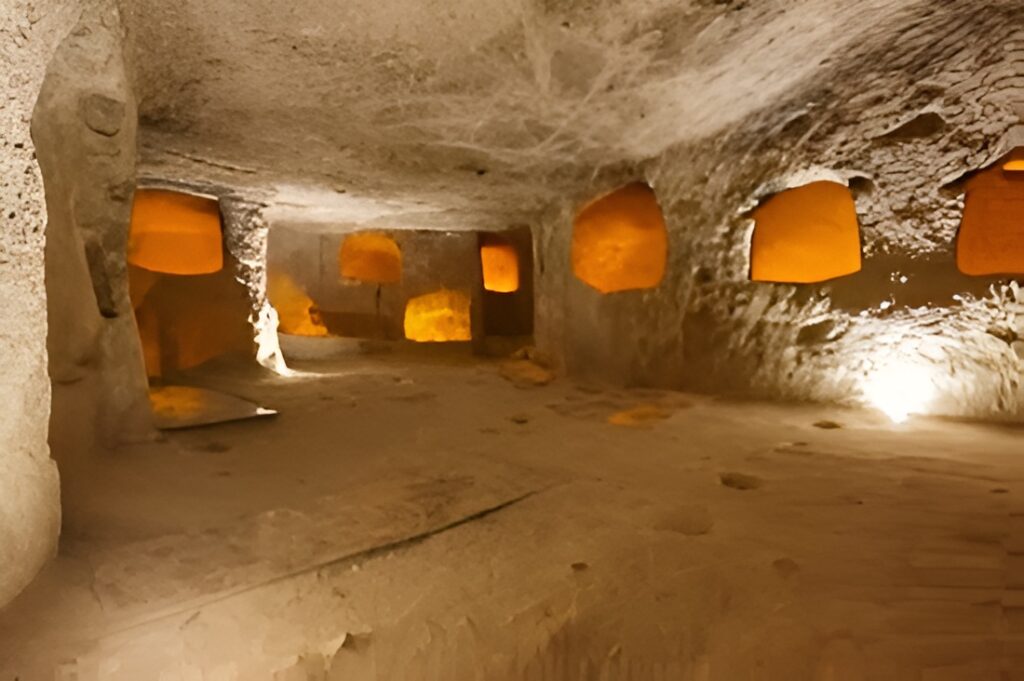
It’s an eight-level underground city built 2,000+ years ago, perfectly engineered to house 20,000 people at once.
Homes. Schools. Wineries. Kitchens. Stables. Churches.
All underground.
This wasn’t a panic bunker — it was civilization in stealth mode.
Built for Survival
Derinkuyu likely began with the Phrygians, expanded by early Christians fleeing persecution, and was used for centuries whenever invasions swept across Anatolia.
You know how you crawl under a blanket during a scary movie? Same idea, but with a city.
Engineering That Shouldn’t Be Possible
Ventilation shafts that bring air 60 meters down.
A water system that avoids poisoning from enemies above.
Massive rolling stone doors weighing tons — one guy could close them, but an entire army would struggle to open them.
It’s basically ancient “Home Alone,” but genius instead of chaos.
A Moment That Sticks With Travelers
The quiet.
Down there, the silence is so thick it feels physical — as if the walls themselves are holding their breath, remembering everyone who once lived and hid here.
Why It Matters
Derinkuyu isn’t just archaeology — it’s a testament to adaptation.
Humans built an entire world underground because survival demanded it.
And it worked.
3. Edinburgh’s Haunted Vaults — The Underworld of a Scottish City
Scotland’s capital is famous for its castle, whisky, bagpipes, and… an underground city built of stone vaults that feel like the setting of every horror game ever created.
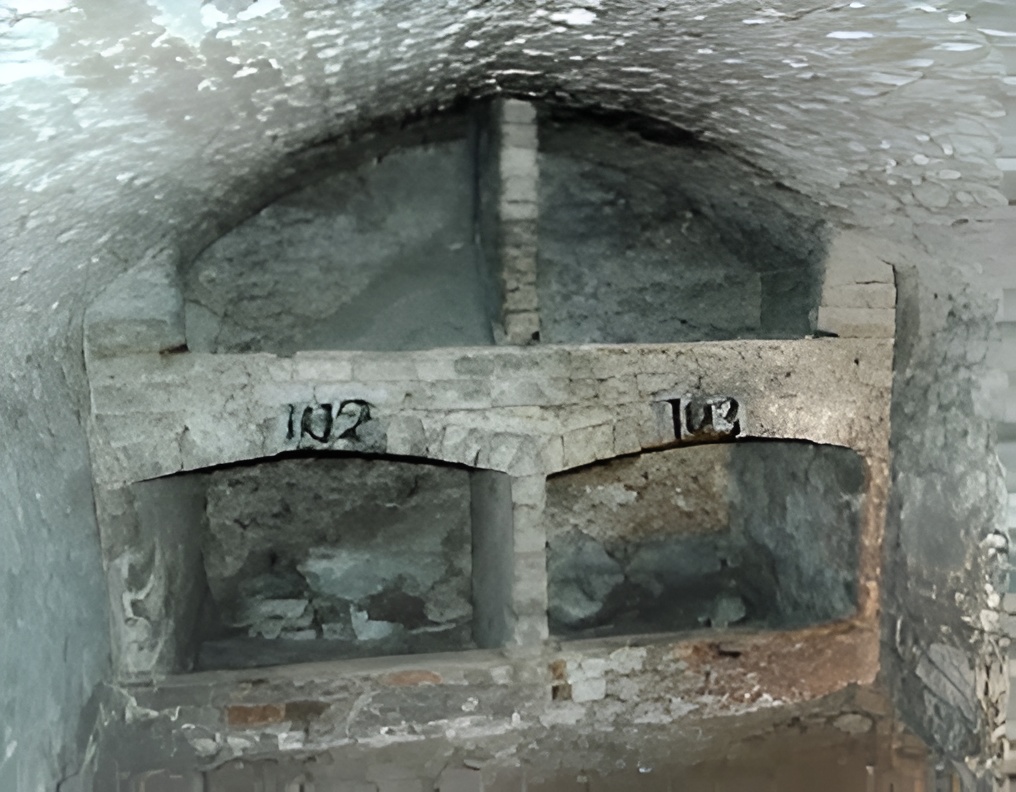
Welcome to the Edinburgh Vaults — a hidden maze beneath the city’s South Bridge.
Once Shops, Then Slums, Then Worse
When engineers built the South Bridge in the 18th century, they created vaults underneath for storage and workshops. But poor sealing and constant water leaks turned the vaults into damp, miserable spaces.
So the wealthy moved out.
And the forgotten people moved in.
Smugglers. Prostitution dens. Illegal pubs. Black-market surgeons.
The vaults became a shadow city — the underbelly of Edinburgh’s booming exterior.
Ghost Tours Today (Whether You Believe or Not)
Now?
It’s one of Europe’s most popular ghost-tour destinations.
Even if you don’t believe in ghosts, something about the place messes with your instincts. The air is colder. Sounds echo strangely. Lights flicker. Your brain starts asking questions like:
“Did that shadow just move? Should I run?”
Traveler’s Memory to Include
There’s a room called “The Watcher’s Room,” where guides swear people feel observed — often no matter where they stand.
Nobody knows why.
Everyone feels it.
Why It Matters
The vaults reveal the dark side of history — the lives people lived in the margins, beneath society, both literally and socially.
It’s history in its raw form.
The Common Thread: Europe’s Real History Isn’t Just Above Ground, it is also in underground cities
Each underground city tells a different story:
- Wieliczka shows the beauty carved from hardship.
- Derinkuyu shows survival through innovation.
- Edinburgh’s vaults show the forgotten layers of society.
Together, they remind us that Europe’s past isn’t just palaces and monuments — it’s hidden worlds sculpted by the people who lived in fear, necessity, creativity, or desperation.
These underground cities are Europe’s shadow chapters, waiting for anyone willing to descend and read them.
If you need help picking your next wonderfully weird European destination, try our Random European Country Generator — let chaos plan your trip.
Leave a Reply