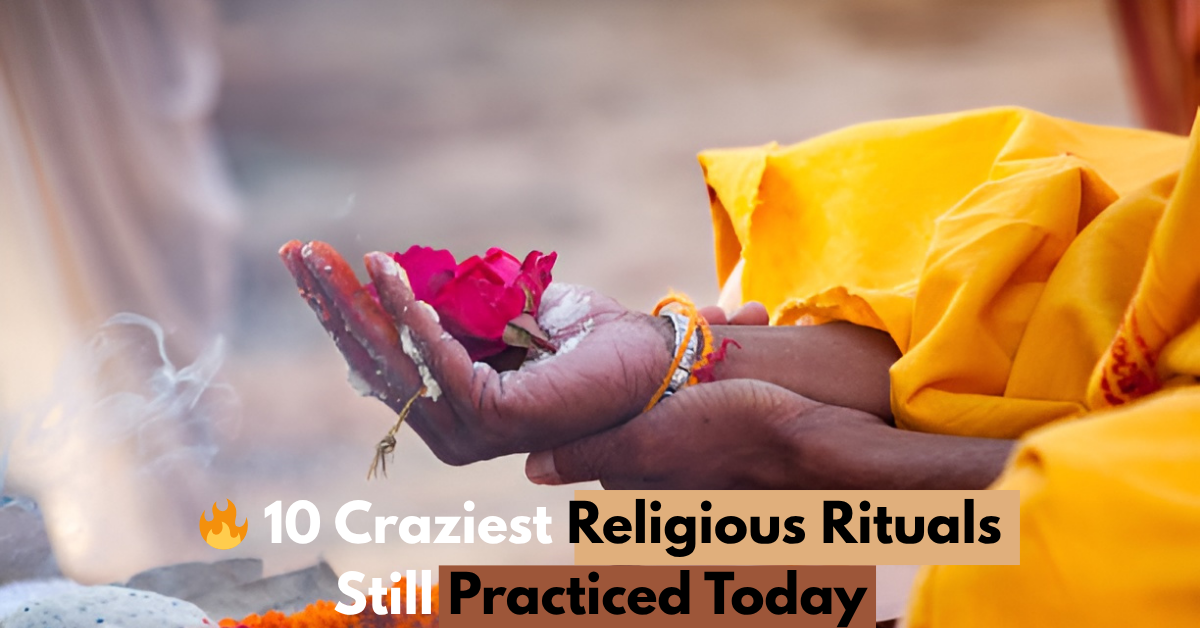
Religion: humanity’s longest-running drama series — packed with faith, fire, and festivals that make Coachella look tame.
But while some people go to quiet Sunday service, others pierce their skin, walk on fire, or hang from hooks… all in the name of devotion.
Let’s tour the planet and peek at the craziest religious rituals that are still practiced today in Countries — not ancient history, not myths. Real. People. Doing. This.
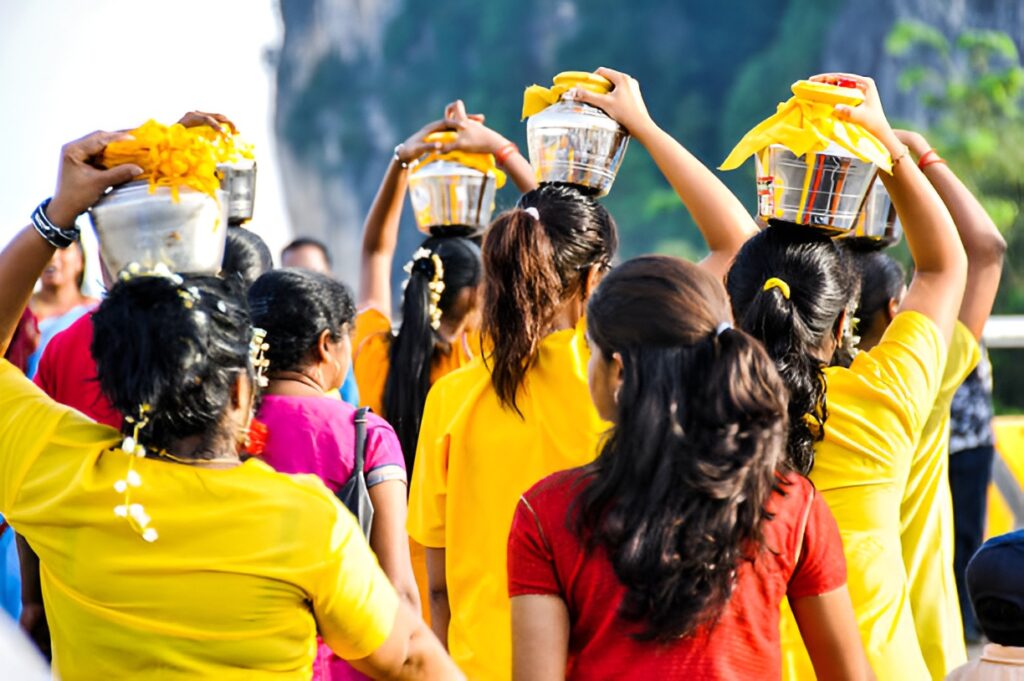
1. Thaipusam (India, Malaysia, Singapore) — Devotion Through Pain
Thaipusam is one of the most visually intense festivals on Earth. Millions of Hindu devotees worship Lord Murugan through vows of endurance: piercing cheeks, tongues, torsos — sometimes carrying kavadis, ornate structures attached to their skin with hooks and rods.
What it means:
Pain becomes prayer. The body becomes an offering. It’s penance, gratitude, and spiritual cleansing in one explosive ritual.
Traveler insight:
You don’t need to follow the piercings to participate. Offer flowers, watch respectfully, and let the atmosphere shake you awake.
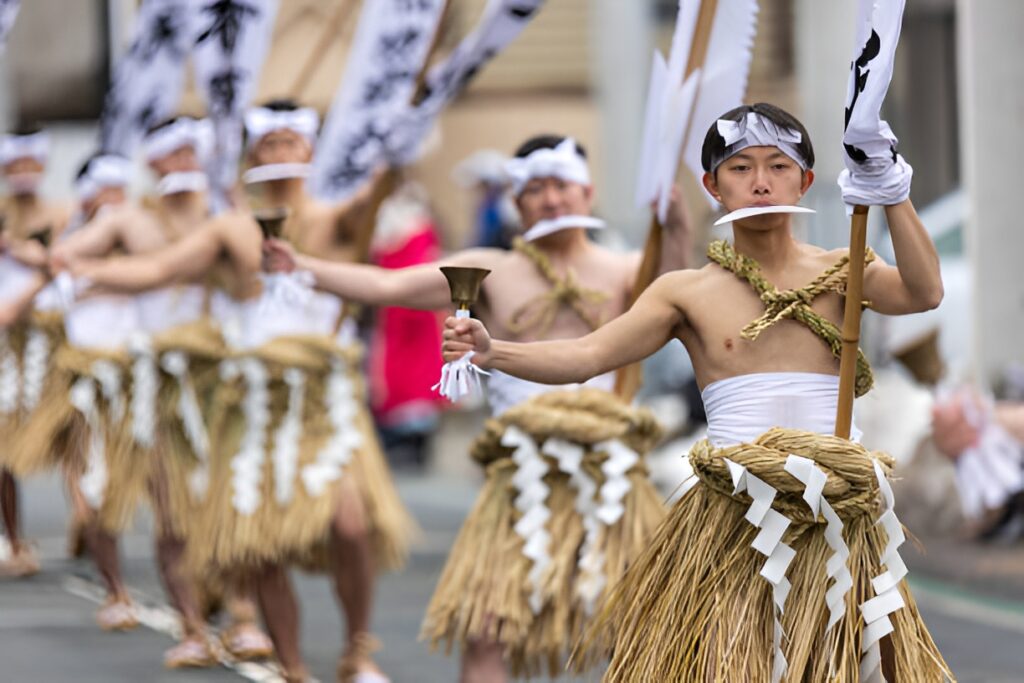
2. Hadaka Matsuri (Japan) — The Festival of Sacred Chaos
Every winter, thousands of men wearing nothing but white loincloths gather to purify their souls and chase good fortune. Priests toss sacred sticks into the frenzy, and whoever grabs one is said to win a year of divine luck.
What it means:
It’s purification through exposure — not just the cold, but vulnerability, chaos, and ritual energy.
Traveler insight:
This isn’t a “risqué party.” It’s sacred, loud, cold, and far more spiritual than it looks at first glance.
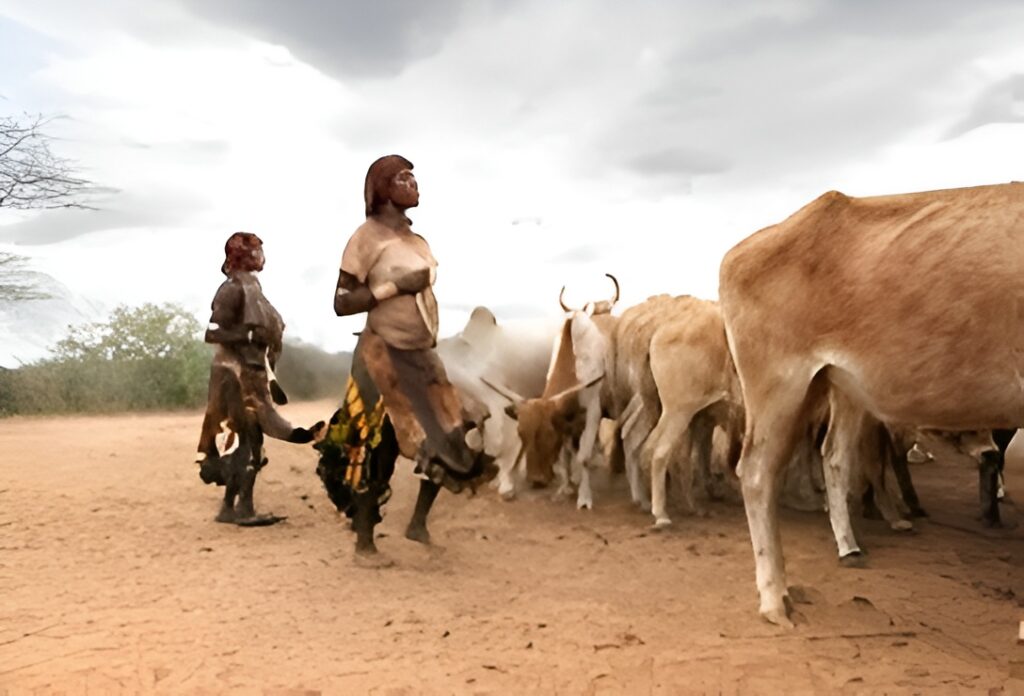
3. Hamar Bull-Leaping Ceremony (Ethiopia) — Leaping Into Manhood
Among Ethiopia’s Hamar people, a boy doesn’t become a man through speeches or ceremonies. He becomes one by running across the backs of bulls four times — fully naked — without falling.
Even more intense? Female relatives volunteer to be whipped as a sign of loyalty and emotional strength.
What it means:
Courage is proven through pain — both given and endured.
Traveler insight:
It’s a powerful rite, not a tourist show. Observe quietly, and never photograph without permission.
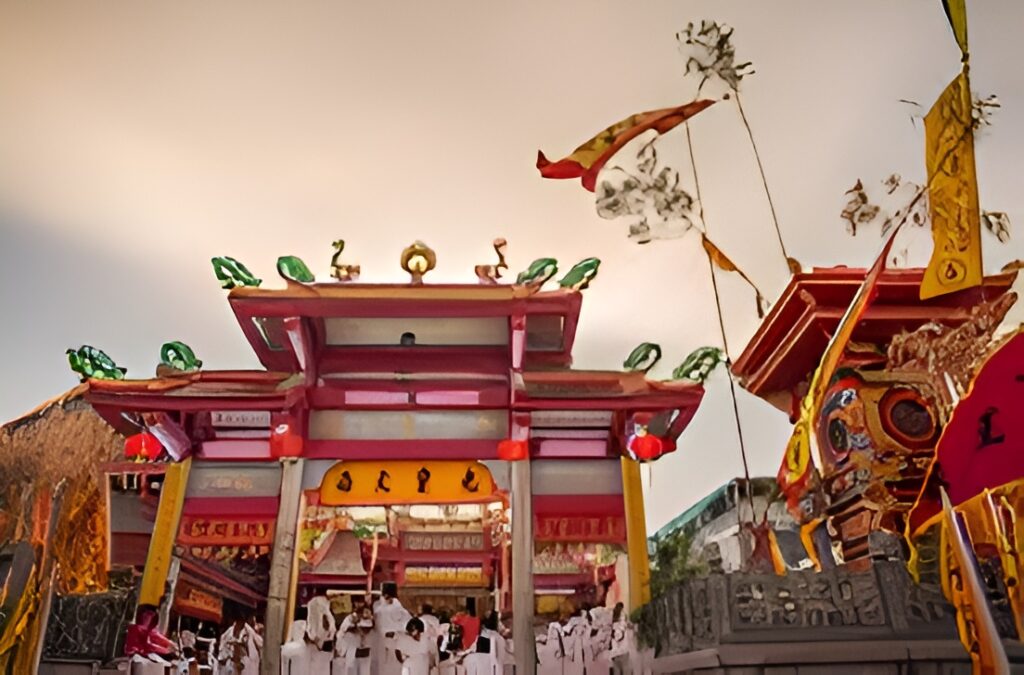
4. Phuket Vegetarian Festival (Thailand) — Purity Through Possession
Despite the wholesome name, this festival is a supernatural spectacle. Devotees called Ma Song enter trance states and perform extreme acts: skewers through cheeks, metal rods through faces, swords, spikes — anything sharp enough to shock the gods awake.
What it means:
Purification of the community. The pain is believed to be divine possession shielding them from injury.
Traveler insight:
If you’re faint-hearted, focus on the food stalls… not the guy with a chair leg through his jaw.
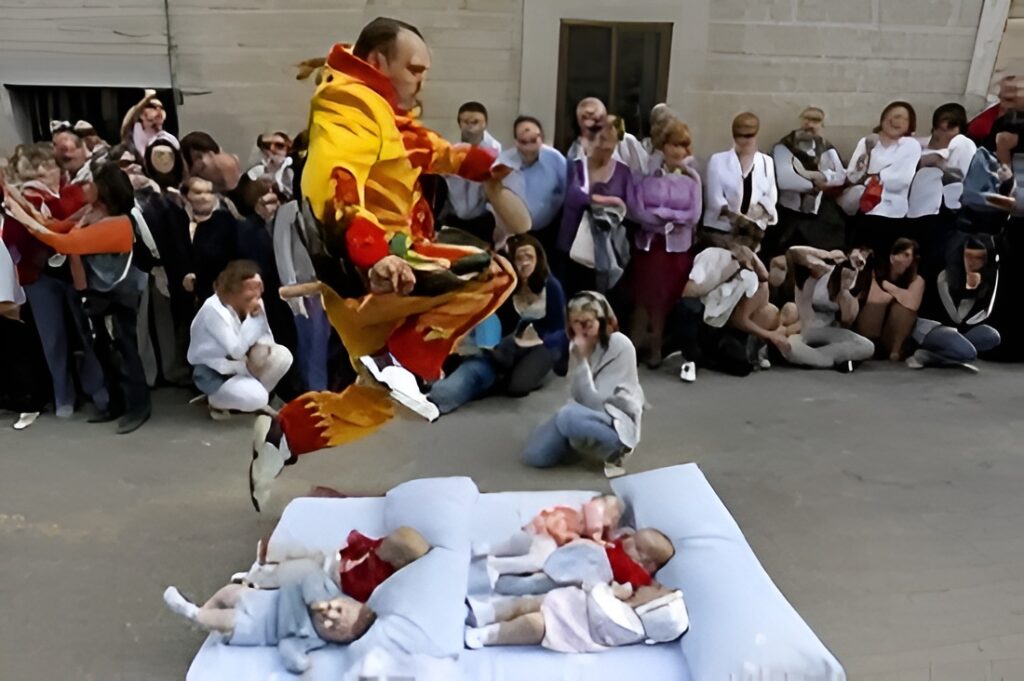
5. El Colacho — The Baby Jumping Festival (Spain)
Since the 1600s, men dressed as devils sprint through the streets of Castrillo de Murcia and leap over rows of babies laid on mattresses.
What it means:
The “devil” absorbs misfortune and protects infants from evil. It’s symbolic cleansing — a mix of Catholic tradition and local folklore.
Traveler insight:
It looks wild, but it’s deeply ceremonial. Parents willingly participate, and no babies are harmed.
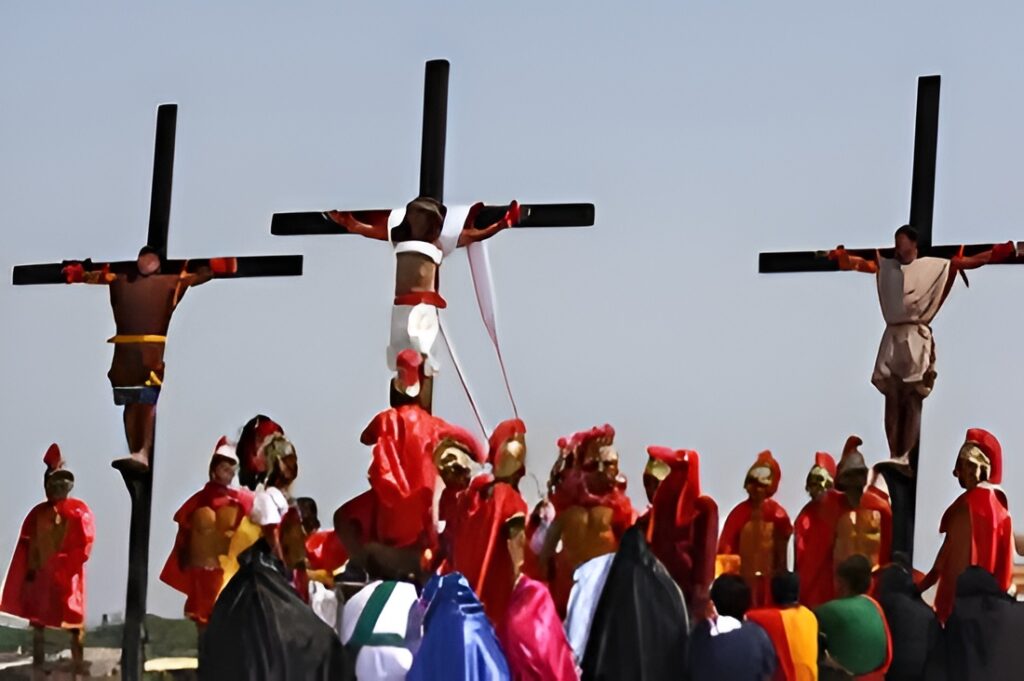
6. Self-Crucifixion in San Pedro Cutud (Philippines)
Every Good Friday, a small group of Filipino Catholics reenact the crucifixion of Jesus — with real nails driven through their hands and feet. Thousands gather to witness this extreme act of devotion.
What it means:
Penance, healing, and spiritual sacrifice. Participants believe their suffering brings blessings to themselves and their families.
Traveler insight:
It’s not performed for entertainment. View it with the same seriousness locals do.
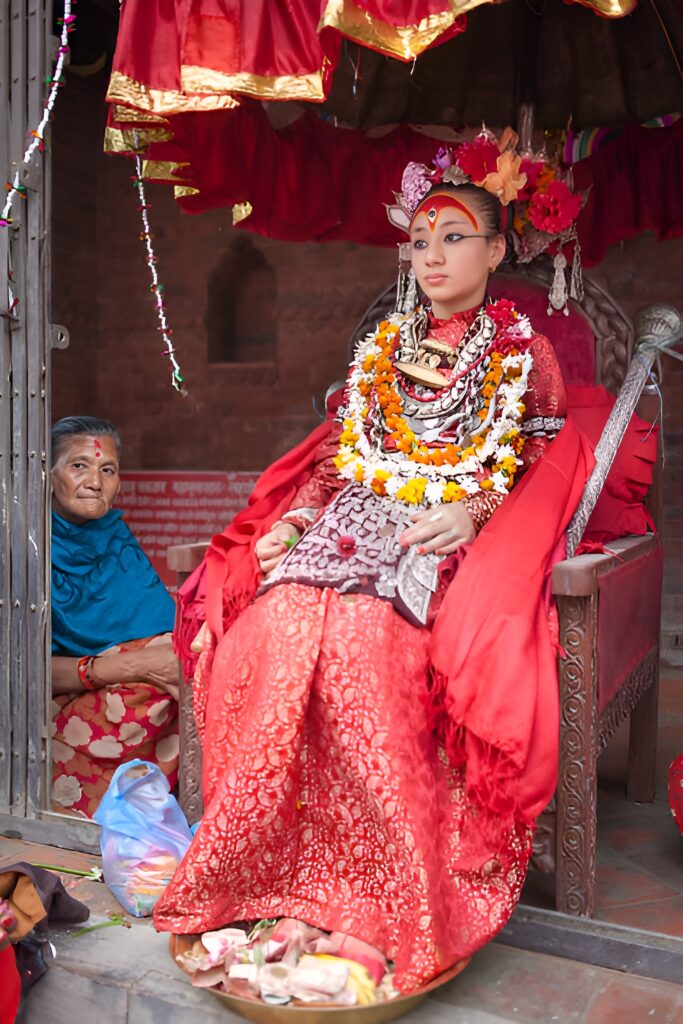
7. The Kumari — Nepal’s Living Goddess
In Kathmandu, a prepubescent girl is chosen as the Kumari, believed to be the living embodiment of divine feminine power. She is worshipped, blessed, honored — until she reaches puberty, when a new goddess is chosen.
What it means:
Purity as a vessel of divinity. The Kumari symbolizes protection and cosmic balance.
Traveler insight:
During public appearances, remain respectful. No photos: divinity doesn’t pose.
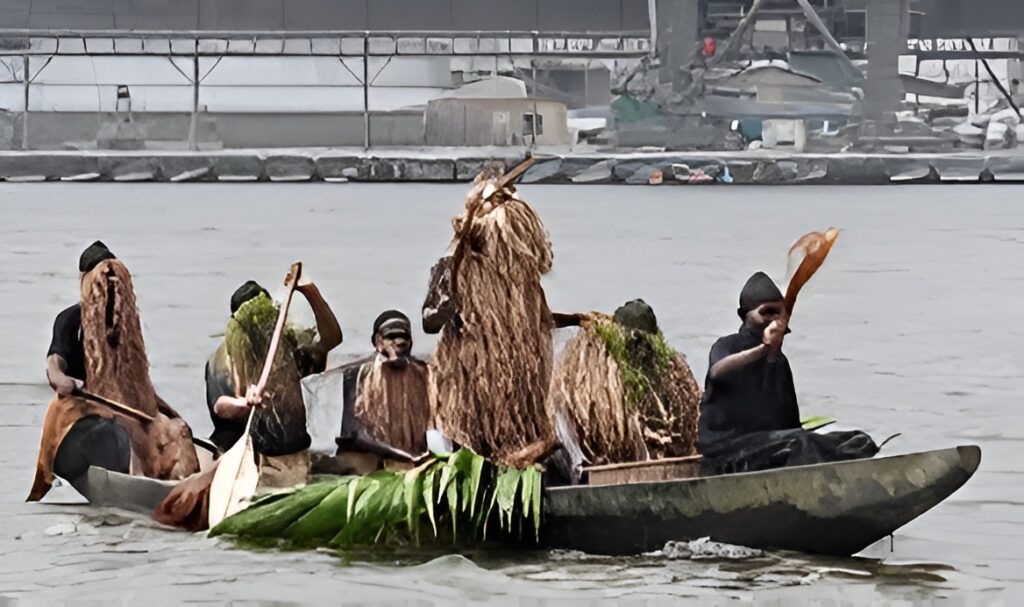
8. Ngondo Spiritual Ceremony (Cameroon / East African Coast)
In this sacred ritual by the Sawa people, a chosen man is submerged underwater by ancestral “spirits.” He disappears for hours and returns dry, carrying messages from the spirit world.
What it means:
Connection to ancestors and renewal of communal blessings.
Traveler insight:
No, he’s not using SCUBA gear. Yes, locals believe it wholeheartedly. Treat the ritual with reverence.
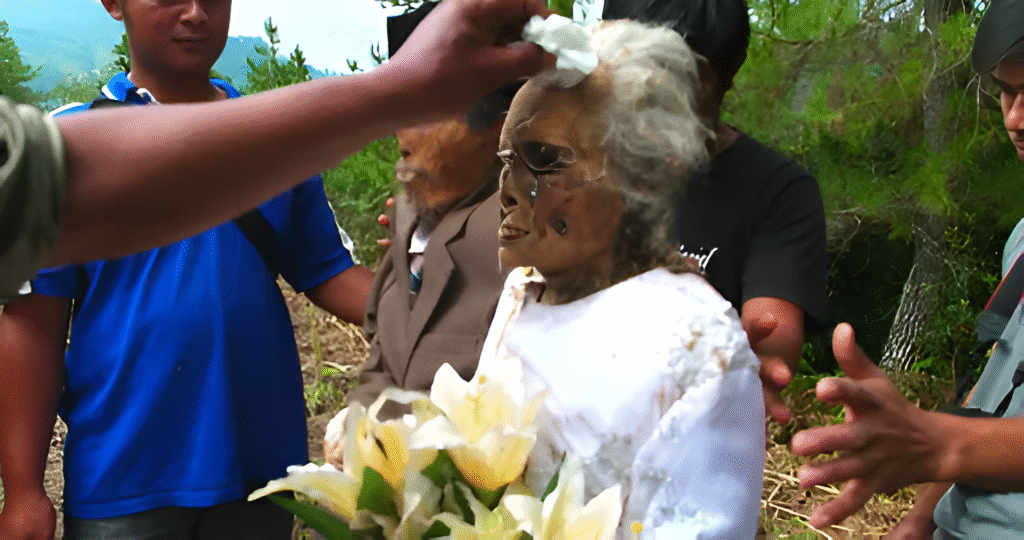
9. Ma’nene — The Ceremony of Cleaning the Dead (Indonesia)
In Tana Toraja, families exhume the mummified bodies of their loved ones every few years, clean them, dress them in fresh clothing, and walk them around the village.
What it means:
Love never expires. Death isn’t an end — it’s a relationship that continues across generations.
Traveler insight:
To outsiders it may look eerie, but to the Torajans, it’s a sacred act of affection.
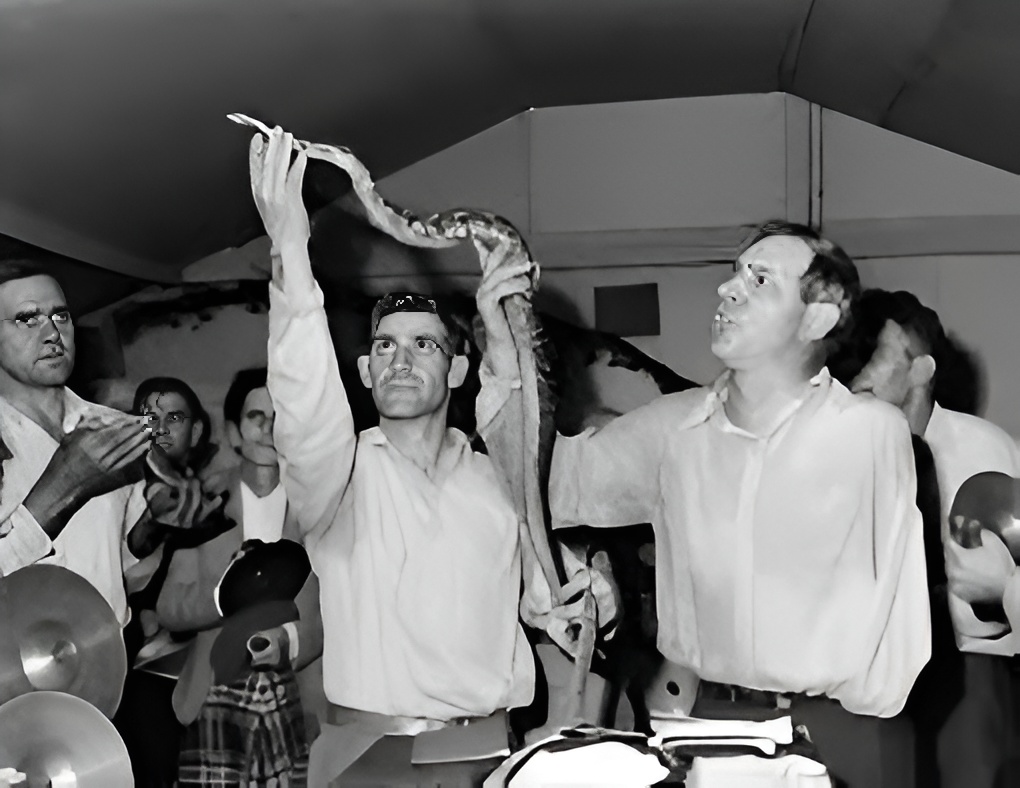
10. Snake Handling (USA — Appalachian Churches)
In a handful of Pentecostal churches, believers hold venomous snakes during worship, trusting a literal interpretation of scripture that says true faith will protect them.
What it means:
Absolute trust in divine protection. For practitioners, it’s a test of belief — not a dare.
Traveler insight:
Observers are welcome, but participation is never advised unless you enjoy emergency rooms.
🕊️ Faith, Fear, and Fascination in These Religious Rituals
These still practiced, religious rituals — as shocking as they seem — remind us that faith takes many forms.
For some, devotion is silent prayer. For others, it’s steel hooks, bulls, or fire. Each of these religious rituals is a living snapshot of culture, history, and the wild creativity of belief.
So next time you travel across Countries, remember — what looks “crazy” might just be sacred. Respect it, learn from it, and maybe leave your piercing kit at home.
If you are feeling lucky and want to randomly decide which Countries from Europe to travel to, for your religious journey, then click here to go to our random European country generator.
Leave a Reply