Magic. Witchcraft. Sorcery. Whatever you call it — humanity has had a complicated relationship with it for thousands of years. Some countries banned it. Some still prosecute it. And others? They lowkey believe it works — even in the 21st century.
Grab your broomstick (metaphorically, please) and let’s fly through the countries where casting a spell could still get you fined, jailed, or even… worse.

Saudi Arabia — Sorcery = Death Sentence
Saudi Arabia treats witchcraft as a serious religious crime. Sorcery is seen as defying God’s will, and the government even operates an Anti-Witchcraft Unit to investigate occult practices.
This isn’t metaphorical policy — people have been executed for it.
Why it exists:
Magic is considered shirk (a sin of associating partners with God) under religious law. It’s viewed as spiritually dangerous and socially destabilizing.
Traveler takeaway:
Leave the tarot cards at home. “Manifesting” jokes included.
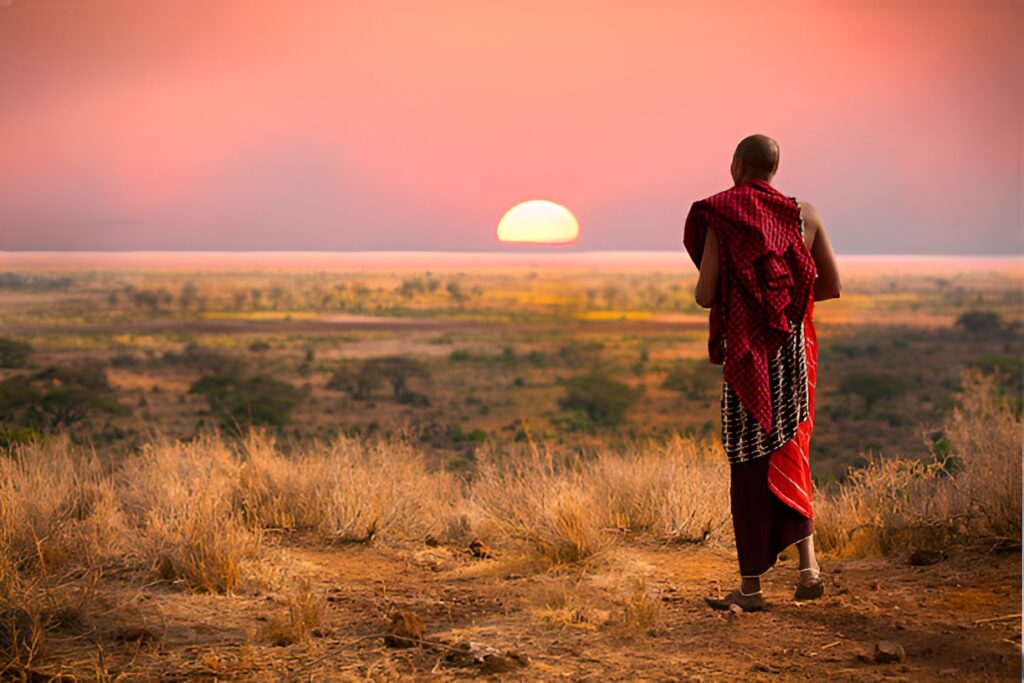
Tanzania — Witch Hunts That Never Fully Stopped
In rural Tanzania, belief in witchcraft runs deep — often deeper than the law itself. Despite official bans, witchcraft accusations still lead to mob violence, especially against elderly women.
Cultural reality:
These beliefs stem from older traditions mixed with modern fear, poverty, and superstition. Officials fight it, but social belief is stronger than legislation.
Traveler takeaway:
Discussing spirits or curses can be sensitive. Choose your words carefully.
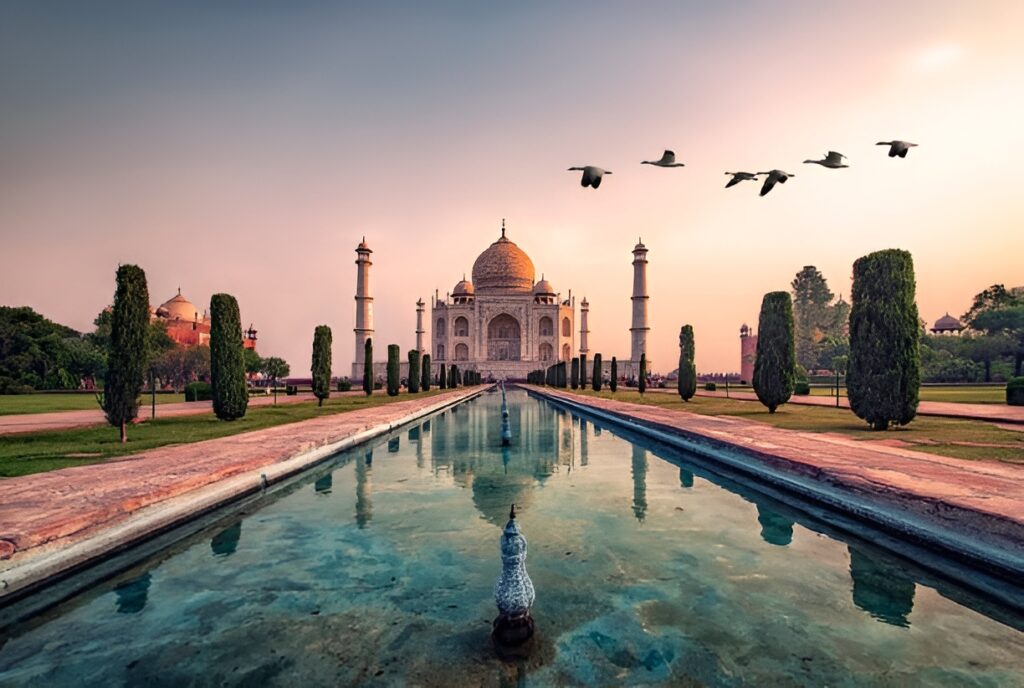
India — Black Magic Is Outlawed, But Not All Magic
India approaches magic with a split personality. Some states — like Maharashtra — outlaw harmful rituals, “exorcisms,” or any practice claiming supernatural cures for money.
Meanwhile, palm reading, astrology, and healing ceremonies are perfectly legal. Because culture is complicated.
Why the law exists:
To protect people from exploitation and stop violent witch-hunting traditions.
Traveler takeaway:
You’ll see astrological signs everywhere. Just avoid calling it illegal — that’s a fast way to make everyone uncomfortable.
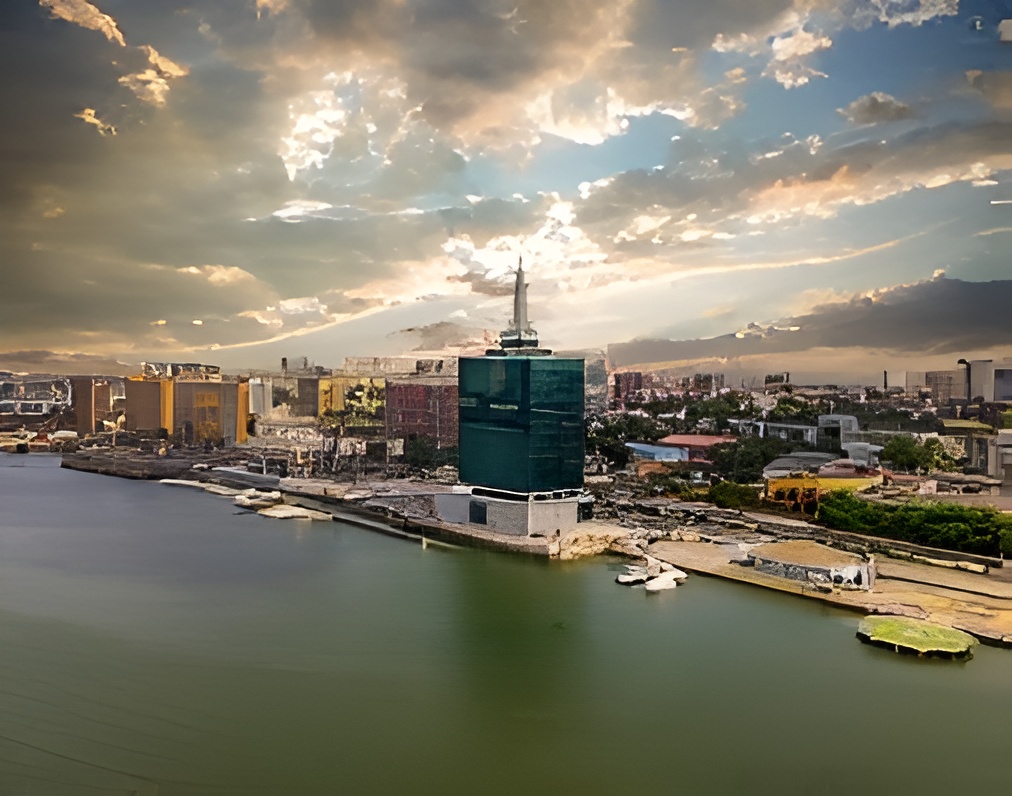
Nigeria — Witchcraft Is Illegal… and Also Mainstream
Nigeria’s Criminal Code bans witchcraft, fortune-telling, and “juju.” Yet belief is widespread. Churches conduct exorcisms. Communities follow traditional rituals. Laws say “no,” culture says, “well, maybe.”
Why this contradiction:
A mix of colonial-era law, local tradition, and deep spiritual belief.
Traveler takeaway:
Avoid jokes about voodoo or curses. People treat spiritual matters with real seriousness.

Papua New Guinea — Sorcery Law Gone, Fear Remains
PNG had an actual Witchcraft Act of 1971, which criminalized sorcery. It was repealed in 2013 due to human rights concerns.
But accusations — and violent retaliation — still happen in remote communities.
The deeper issue:
Belief in magic is intertwined with health, death, justice, and community identity.
Traveler takeaway:
Ask before entering traditional villages. Magic isn’t “folklore” here — it’s lived reality.

Sierra Leone — Secret Societies and Sacred Mysticism
Magic isn’t banned — it’s regulated. Influential societies like the Poro and Sande blend mysticism, ancestral worship, and community rituals. The government sometimes intervenes, but they remain culturally essential.
Cultural meaning:
This isn’t “witchcraft.” It’s traditional belief rooted in identity and history.
Traveler takeaway:
Use the word “tradition,” not “magic.”
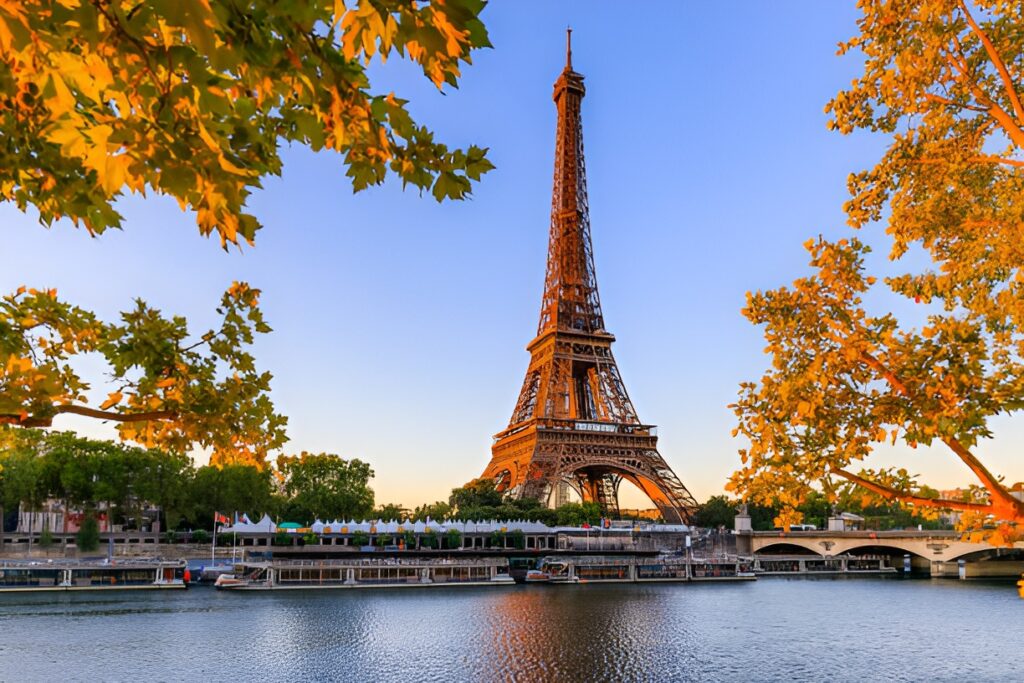
France — Once the Witch-Burning Capital of Europe
France executed tens of thousands during the witch hunts. Today, magic is legal — but fraudulent fortune-telling (charging people to lift curses or manipulate emotions) can get you fined or imprisoned.
Modern spin:
You can be a witchy influencer in Paris… just don’t scam someone with a “€200 soulmate spell.”
Traveler takeaway:
Tarot is fine. Fake exorcisms? Not so much.

South Africa — Witchcraft Still Touchy (and Still Regulated)
The Witchcraft Suppression Act of 1957 banned claiming supernatural powers or accusing others of being witches. Critics argued it suppressed cultural practices. A newer law aims to balance tradition with human rights.
Why this matters:
Magic intersects with identity, violence, and tradition — all still emotionally loaded topics.
Traveler takeaway:
Steer clear of “witch doctor” jokes. Seriously.

Indonesia — Black Magic Is Literally a Crime (As of 2022)
Indonesia’s updated criminal code bans black magic used to cause harm — even verbal claims of having powers can be prosecuted.
Why?
Magic is deeply embedded in Indonesian culture. The law aims to stop fraud and fear-based manipulation, not belief itself.
Traveler takeaway:
Stick to meditation retreats. They’re peaceful and arrest-free.
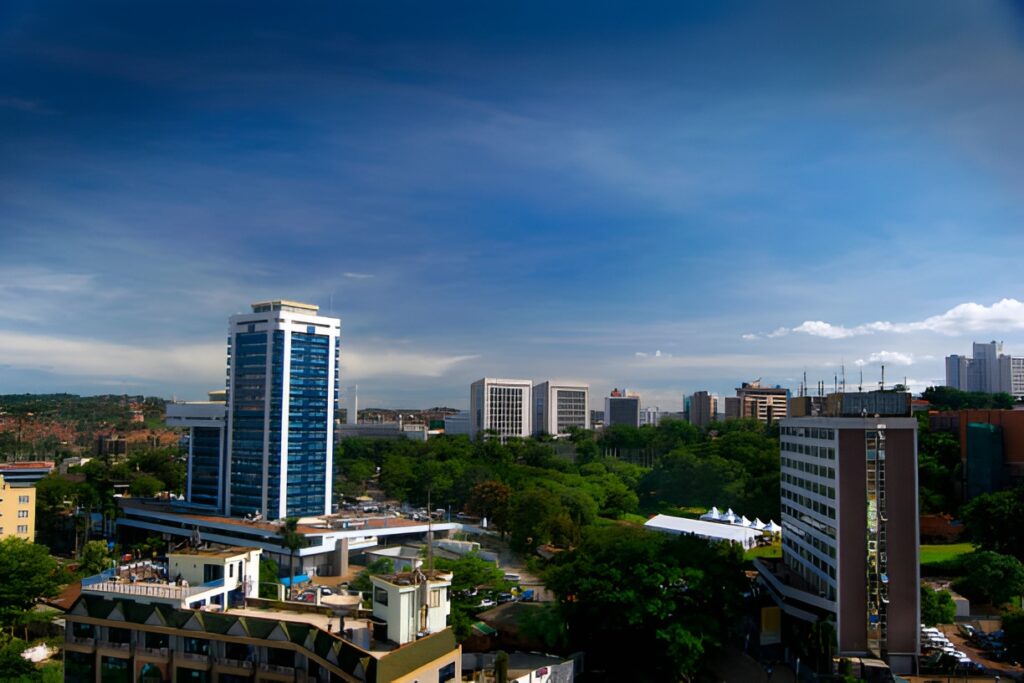
Uganda — Anti-Witchcraft Laws, Pro-Witch Doctors
Uganda still enforces anti-witchcraft laws from the 1950s. Yet witch doctors and healers operate everywhere, blending herbalism, religion, and spiritual practice.
The paradox:
People trust supernatural healing, but the government fears violent ritual practices.
Traveler takeaway:
If someone offers to sell you a magical charm… politely decline.
🪄 Belief vs. Ban — Why Magic Never Really Dies
Here’s the wild part: banning magic doesn’t kill belief in it.
Across centuries, superstition evolves. The robes and rituals change, but the need to believe — in something beyond the mundane — stays. Whether it’s tarot, astrology, religion, or energy healing, humans will always chase the mystical.
So, yeah… magic’s still alive. Just maybe don’t practice it in Saudi Arabia.
If you are feeling lucky and want to randomly decide which Countries from Europe to travel to, for your journey, then click here to go to our random European country generator.
Leave a Reply