January 1, New Year’s Eve, feels inevitable. Fireworks, countdowns, bad champagne, bold lies to yourself about gym memberships. It feels universal.
It isn’t.
January 1 is just one date that won a long, messy fight between empires, religions, astronomers, and bureaucrats who really loved paperwork. Large parts of the world either celebrate New Year on a completely different day—or treat January 1 as a polite formality while saving the real reset for later.
So let’s peel back the calendar and look at the countries where New Year doesn’t start with “Happy January.”
First, a Quick Reality Check: Calendars Are Political
Before diving in, here’s the key idea most people miss:
Calendars aren’t neutral.
They’re tools of power.
Empires impose calendars. Religions preserve them. Revolutions rewrite them. Farmers ignore them entirely.
January 1 exists because ancient Rome wanted it, medieval popes enforced it, and modern globalization made it convenient. That’s it. No cosmic rulebook required.
Now let’s meet the rebels.
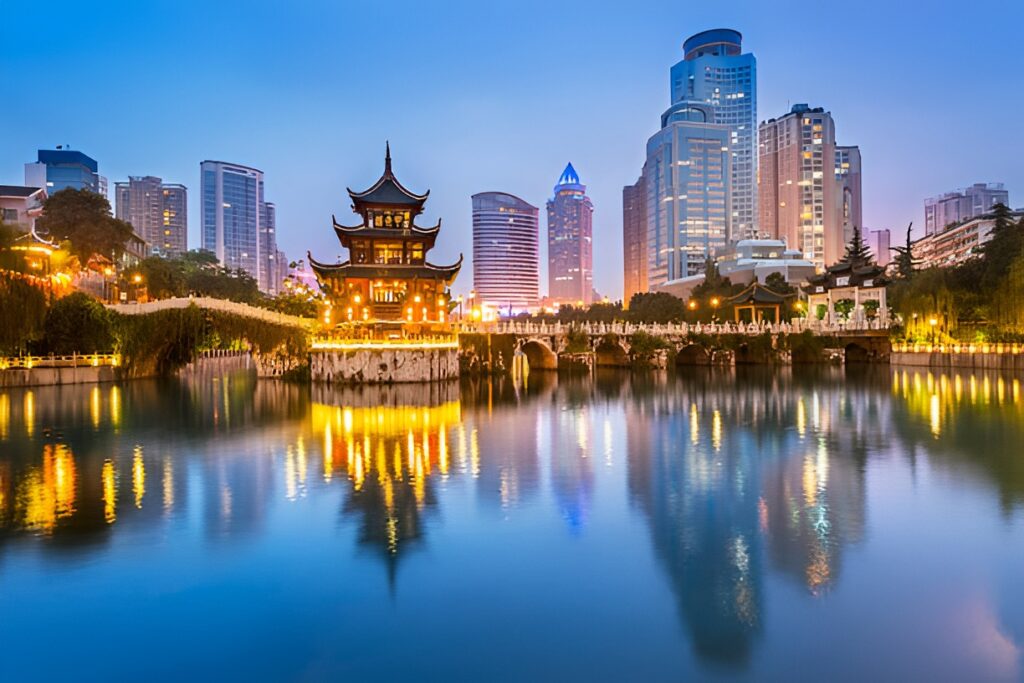
China – Lunar New Year: When the Moon Calls the Shots
When New Year actually happens: Late January to mid-February
Calendar: Lunisolar (moon + sun)
In China, January 1 is acknowledged politely, like a coworker you don’t dislike but don’t invite to dinner.
The real New Year is Spring Festival, guided by the moon. It’s about family reunions, ancestor worship, renewal, and symbolism so deep it makes Western resolutions look flimsy.
Red envelopes, firecrackers, dragon dances, and mass migration that becomes the largest annual human movement on Earth.
Why not January 1?
Because the lunar calendar predates Western influence by thousands of years—and China never fully surrendered its cultural timekeeping, even when adopting the Gregorian calendar for business.
This isn’t nostalgia. It’s identity preservation.
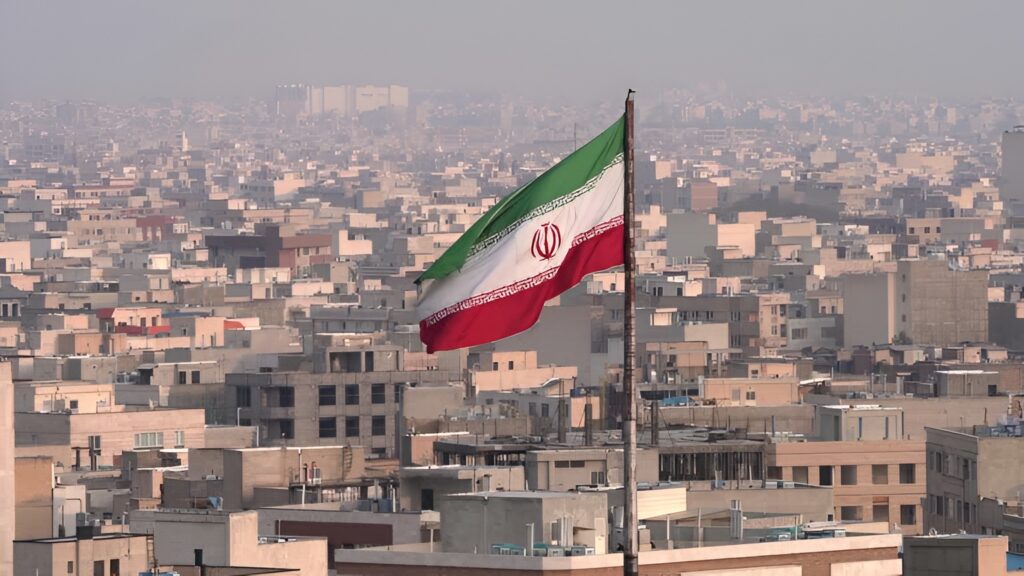
Iran – Nowruz: New Year Literally Begins at Spring
When: March 20 or 21
Calendar: Solar Hijri
Basis: The spring equinox
Nowruz means “new day,” and Iranians take that very literally. The year begins when day and night are perfectly balanced—when nature itself resets.
The celebration predates Islam, Christianity, and most empires you can name. It comes from ancient Persian Zoroastrian beliefs tied to light, rebirth, and cosmic order.
Families set up a Haft-Seen table, featuring seven symbolic items starting with the Persian letter “S,” each representing concepts like growth, health, patience, and rebirth.
January 1 feels arbitrary compared to this. Why start the year in winter decay when you can start it with blooming flowers?
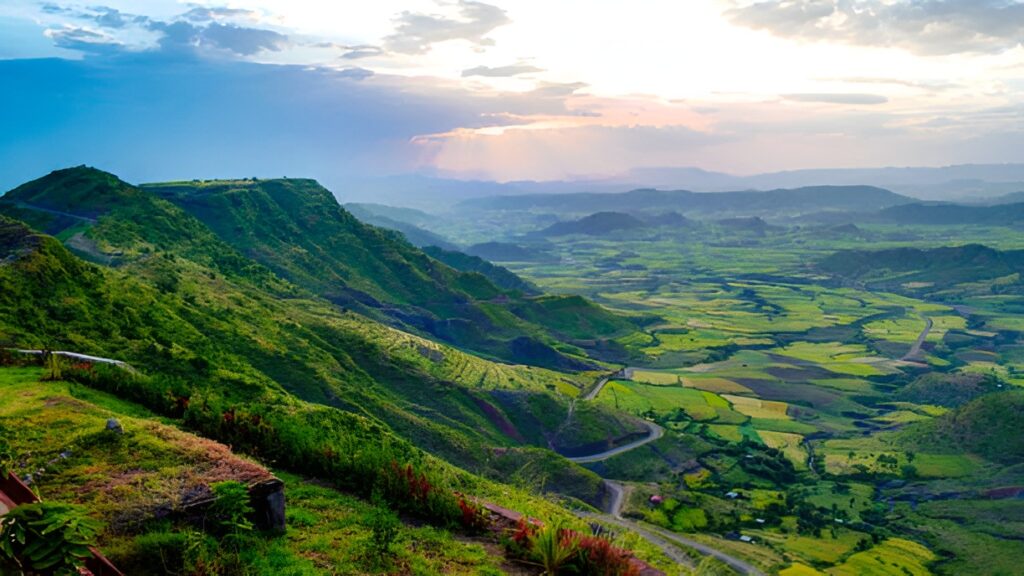
Ethiopia – Enkutatash: A Calendar That Refused to Convert
When: September 11 (or 12 on leap years)
Calendar: Ethiopian calendar (13 months!)
Ethiopia lives in a different time zone—chronologically.
Its calendar is based on an ancient Coptic system and runs about 7–8 years behind the Gregorian calendar. While the world says it’s 2025, Ethiopia casually insists it’s still catching up.
Enkutatash marks the end of the rainy season and the beginning of harvest. Flowers bloom. School starts. Life restarts.
Why not January 1?
Because Ethiopia was never fully colonized. No empire successfully forced a calendar reboot. This is cultural sovereignty, measured in months.
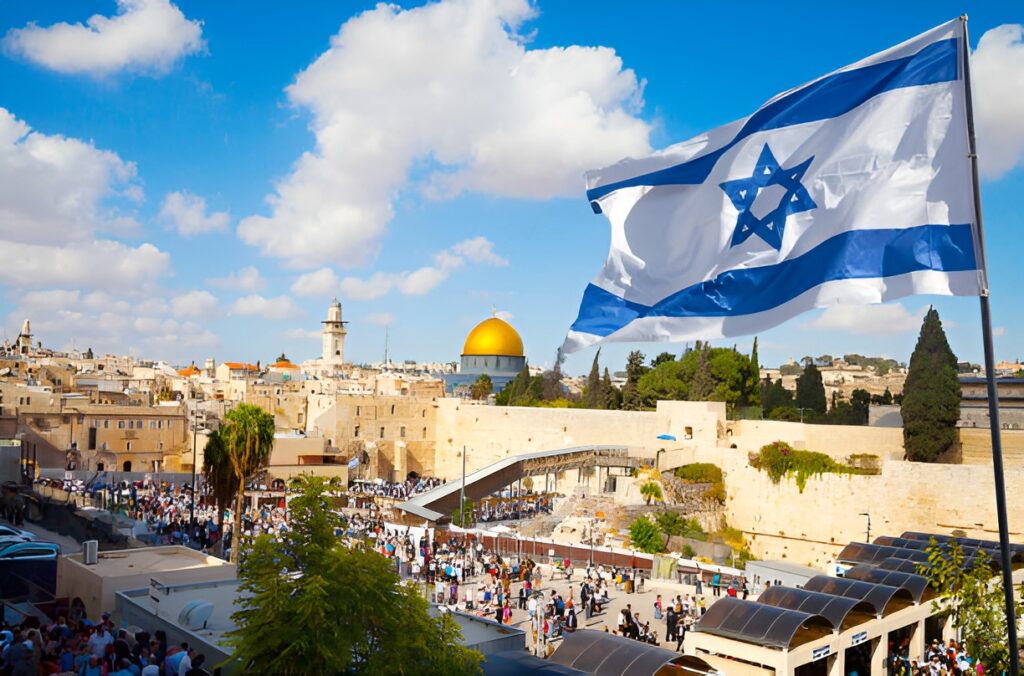
Israel – Rosh Hashanah: A New Year of Reflection, Not Fireworks
When: September or October
Calendar: Hebrew lunisolar calendar
Rosh Hashanah isn’t loud. It’s serious. Introspective. Heavy.
This New Year is about judgment, repentance, and moral accounting. You’re not celebrating what’s coming—you’re reckoning with what you’ve done.
Apples dipped in honey symbolize hope for sweetness ahead, but the overall vibe is: be better or answer for it.
January 1, by contrast, feels like a casual suggestion.
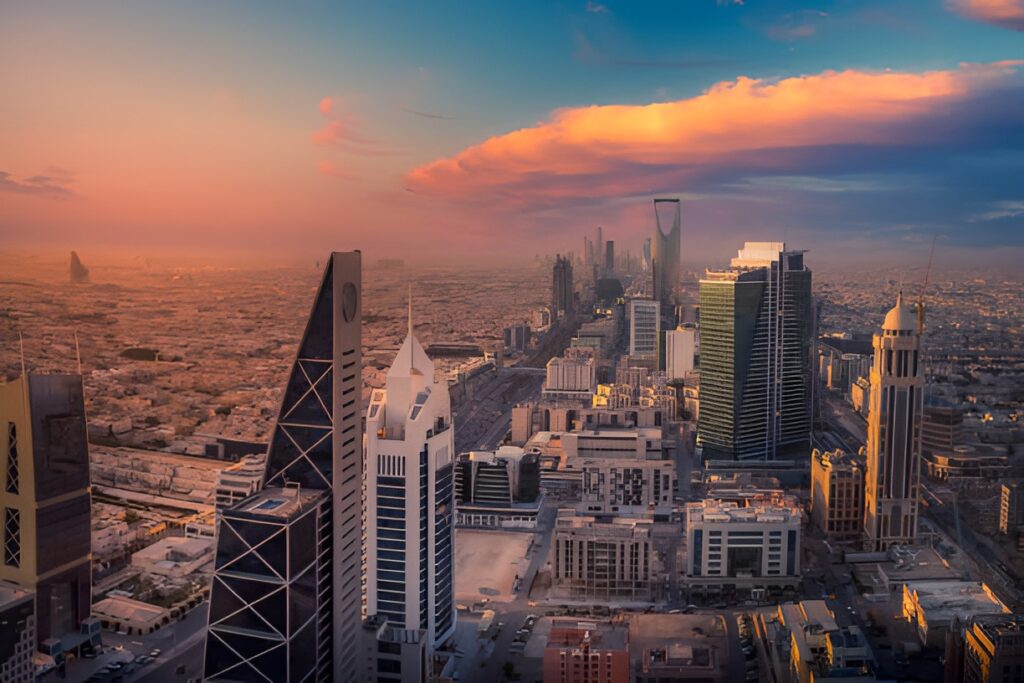
Saudi Arabia – Islamic New Year: Time Begins With Migration
When: Varies yearly
Calendar: Islamic lunar calendar
The Islamic New Year marks Hijri New Year, commemorating Prophet Muhammad’s migration from Mecca to Medina. No parties. No fireworks. Often no official celebration at all.
It’s solemn, historical, and spiritual.
Why so quiet?
Because in Islam, meaning beats spectacle. The lunar calendar also shifts about 10–11 days earlier every year, reminding believers that time itself is transient.
January 1 exists for administrative reasons. Spiritually, it’s irrelevant.
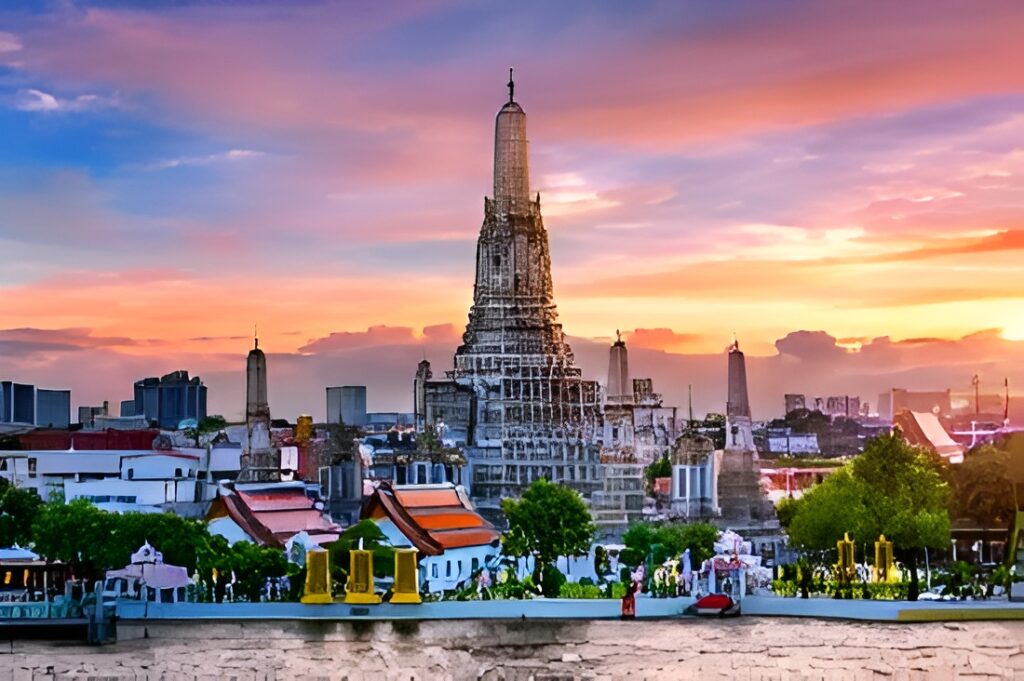
Thailand – Songkran: New Year Comes With Water Warfare
When: April 13–15
Calendar: Traditional Thai solar calendar
If you’ve ever seen videos of entire cities soaked in water fights, congratulations—you’ve seen Thailand’s New Year.
Songkran marks purification, renewal, and cleansing of bad luck. Water isn’t just fun—it’s symbolic.
This New Year aligns with agricultural cycles and Buddhist traditions, not Roman calendars. Elders are honored. Temples are visited. Then everyone grabs a water gun and chaos reigns.
January 1 exists, but April is when Thailand actually resets.
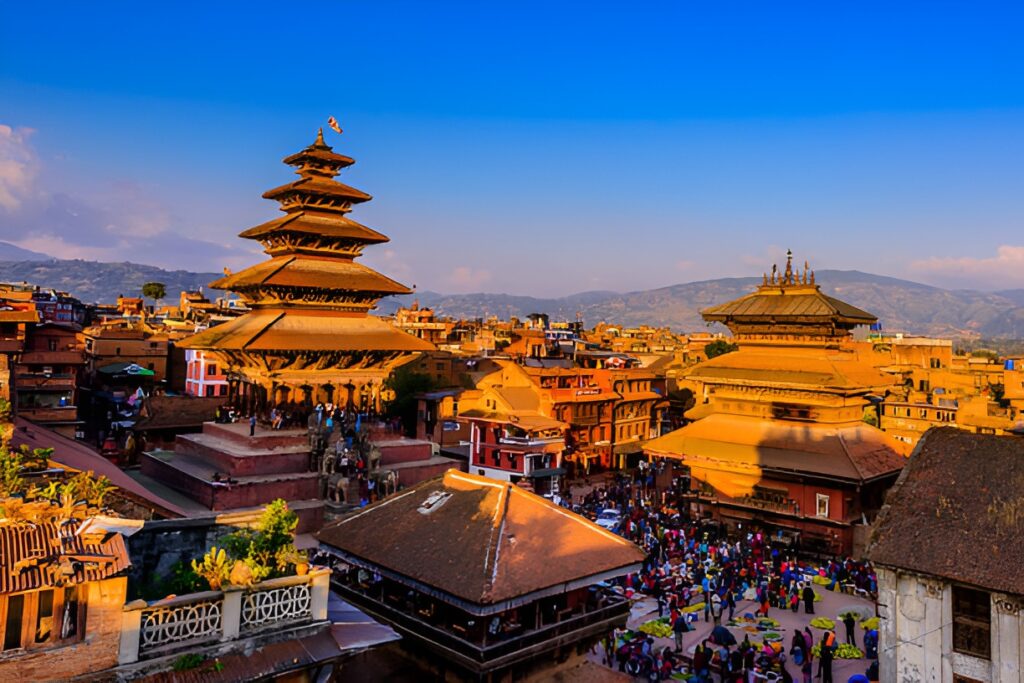
Nepal – Bikram Sambat: A King, a Calendar, and Cultural Pride
When: Mid-April
Calendar: Bikram Sambat
Nepal’s New Year is tied to an ancient calendar attributed to a legendary king. It doesn’t line up neatly with Western months, and that’s the point.
The country uses the Gregorian calendar for global affairs but keeps its traditional one for cultural life.
This dual-calendar existence is common worldwide. It’s the quiet compromise between globalization and heritage.
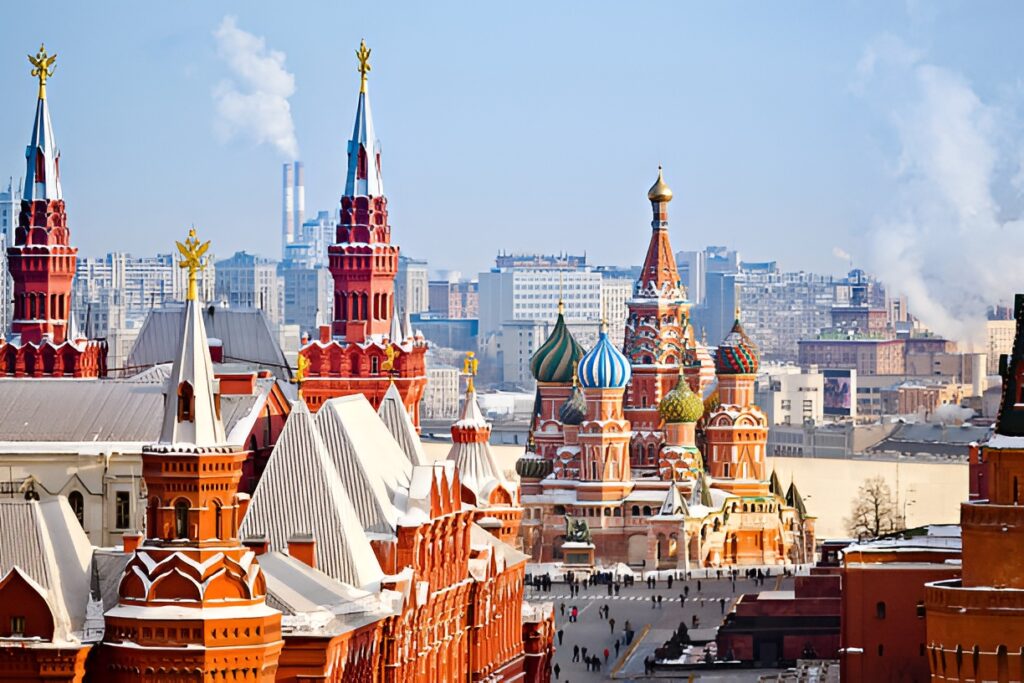
Russia (Sort Of) – Old New Year: Because Calendars Lag
When: January 14
Calendar: Julian (old church calendar)
Russia technically celebrates January 1—but also celebrates Old New Year thanks to a leftover calendar mismatch between the Julian and Gregorian systems.
It’s less official, more ironic. An excuse for another dinner, another drink, another “fresh start” after already failing the first one.
If nothing else, it proves humans will invent holidays for any excuse available.
So… Why January 1 Won?
Short answer: Rome, the Church, and capitalism.
The Gregorian calendar spread through colonization, trade, and global coordination. Railroads, stock markets, international treaties—all needed synchronized time.
January 1 wasn’t chosen because it was meaningful. It was chosen because it was convenient.
But culture doesn’t disappear just because paperwork says so.
Why This Actually Matters
This isn’t trivia. It’s perspective.
Different New Years reveal different values:
- Nature vs bureaucracy
- Reflection vs celebration
- Community vs individual goals
- Spiritual time vs economic time
When a country chooses when to start its year, it’s choosing what matters most.
So next time January 1 rolls around and you feel weirdly disconnected, remember: half the planet is waiting for a better moment.
Time, it turns out, is negotiable.
If you are feeling lucky and want to randomly decide which Country from Europe to travel to Celebrate New Year’s Eve, then click here to go to our random European country generator.
Leave a Reply