Category: Blog

Your blog category

  • How Much a “Normal” Day in Europe Actually Costs by Country (Spoilers: It’s insane!)

    How Much a “Normal” Day in Europe Actually Costs by Country (Spoilers: It’s insane!)

    This is not a “€5 croissant and vibes” fantasy post. This is about what a normal, non-luxury, non-backpacker-masochist day in Europe actually costs in 2026 if you’re traveling like a sane human.

    Not starving.
    Not splurging.
    Just… living a day.

    What Do We Mean by a Normal Day in Europe?

    Before someone in the comments starts yelling, let’s define terms.

    A normal travel day here means:

    • One night in a clean, well-located budget or mid-range hotel
    • Eating three meals (mix of café + casual restaurant)
    • Public transport or walking
    • One paid attraction or experience
    • Coffee. Always coffee.

    No luxury shopping. No private drivers. No sleeping in a train station “for the culture.”

    Western Europe: Where the Wallet Cries Quietly

    🇨🇭 Switzerland — €180–€230/day

    Switzerland doesn’t feel expensive. It is expensive.

    • Hotel: €90–120
    • Food: €45–60
    • Transport: €15–20
    • Attractions: €20–30

    A sandwich can cost €12 and somehow still be emotionally disappointing. The scenery is elite, the trains run like Swiss watches, and your bank app will send concerned notifications. read more
  • Which European Countries Feel Expensive vs Actually Are Expensive

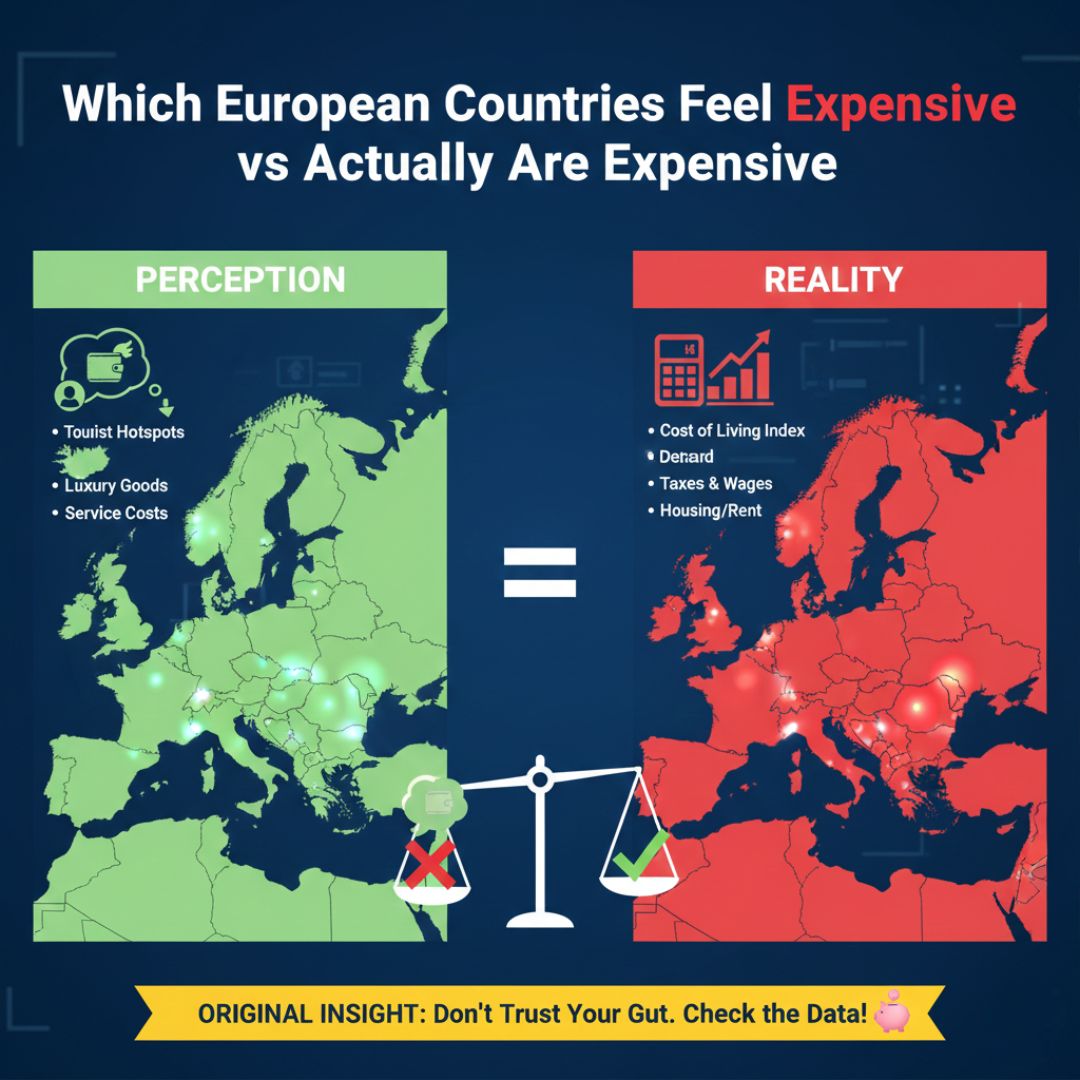
    Which European Countries Feel Expensive vs Actually Are Expensive

    Europe has this psychological pricing trap built into it. You step off the plane in, say, Paris or Zurich, and your brain screams: “We’re broke now!” But sometimes, that panicked feeling isn’t matched by reality. Conversely, you might stroll through Eastern Europe thinking, “Oh, it’s fine!”—until your dinner bill quietly doubles your travel budget.

    Let’s break down the European countries that feel expensive vs the ones that are genuinely expensive, so you can plan smarter, not just cheaper. read more

  • Off-Season Europe: What’s Closed, What’s Better, What’s Insane

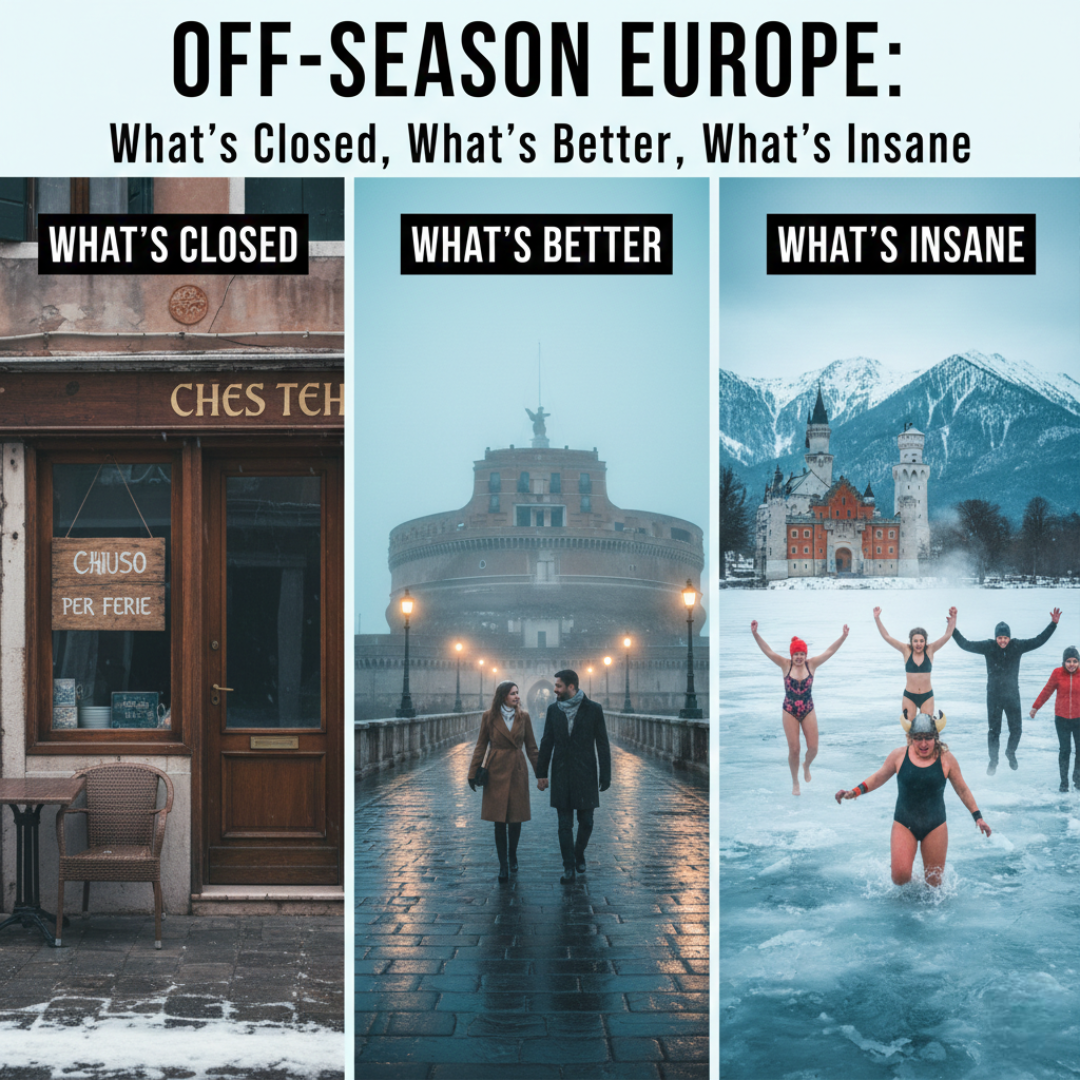
    Off-Season Europe: What’s Closed, What’s Better, What’s Insane

    Travel blogs love to whisper about off-season Europe like it’s a secret menu item. Cheaper flights. Empty streets. Locals smiling knowingly as you pass by with a croissant and a sense of superiority.

    Reality is messier. Some things absolutely improve. Some things quietly disappear. And some attractions? Turns out they were never that good to begin with.

    Let’s break it down without romantic fog.

    First, What Counts as “Off-Season” in Europe?

    Roughly speaking:

    • November to March (excluding Christmas and New Year)
    • Shoulder months like late October and early April sit in the gray zone

    Northern Europe goes into hibernation earlier. Southern Europe stays half-awake longer. Europe is not a single mood—it’s a patchwork of weather, habits, and cultural patience for tourists. read more

  • European Countries That Are Amazing—But Terrible for Short Trips

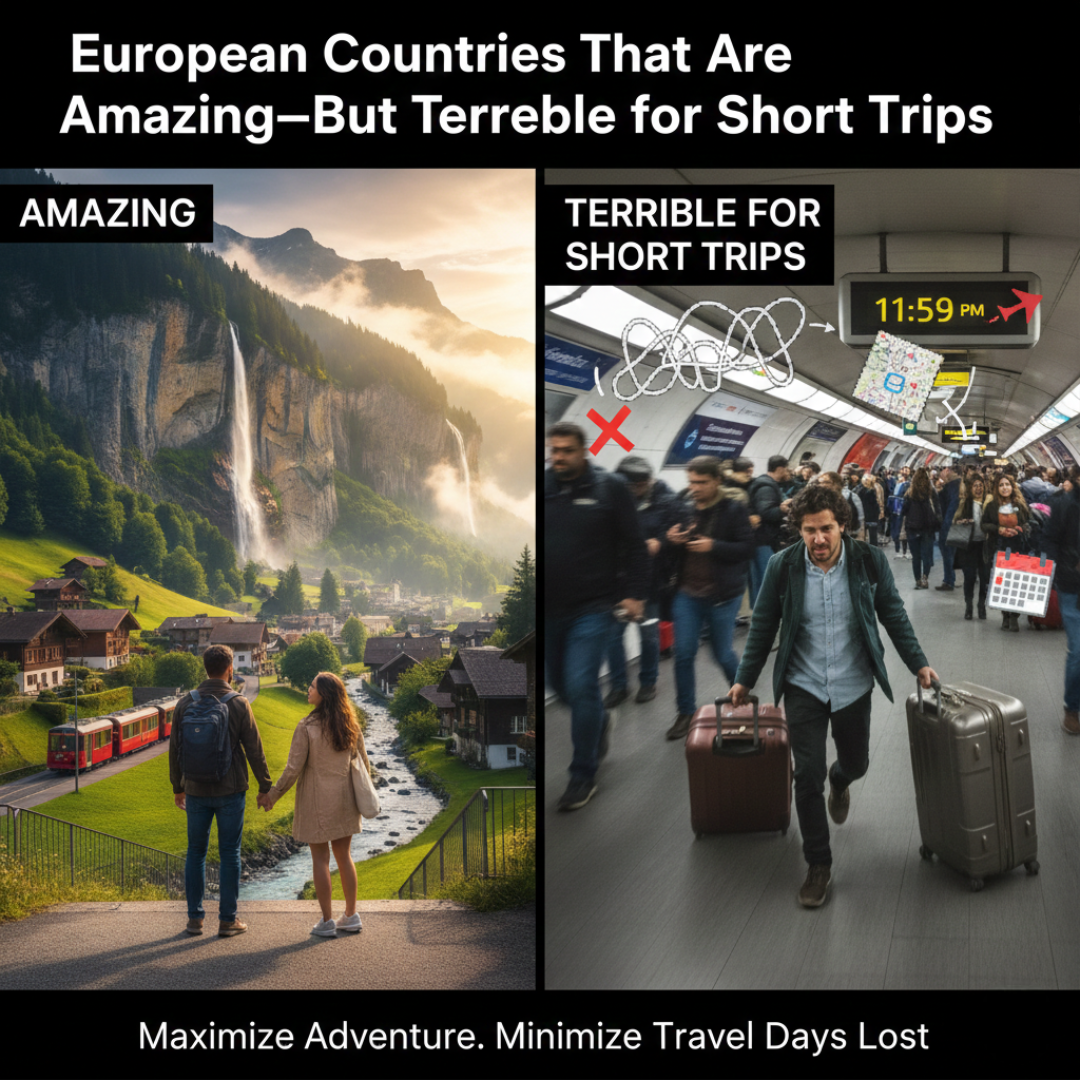
    European Countries That Are Amazing—But Terrible for Short Trips

    Alright, let’s take the Instagram filter off European countries for a minute.

    Some countries are absolutely incredible—rich history, unreal landscapes, food that ruins your standards for life—but they are terrible choices for short trips. Not bad. Not boring. Just… not designed for a rushed, three-to-five-day sprint where you’re dragging a suitcase and your sanity behind you.

    This isn’t about gatekeeping destinations. It’s about matching reality to expectations, so you don’t come home saying, “Europe was exhausting” when the real problem was the itinerary. read more

  • Things Europe Brags About That Are Actually Mildly Inconvenient

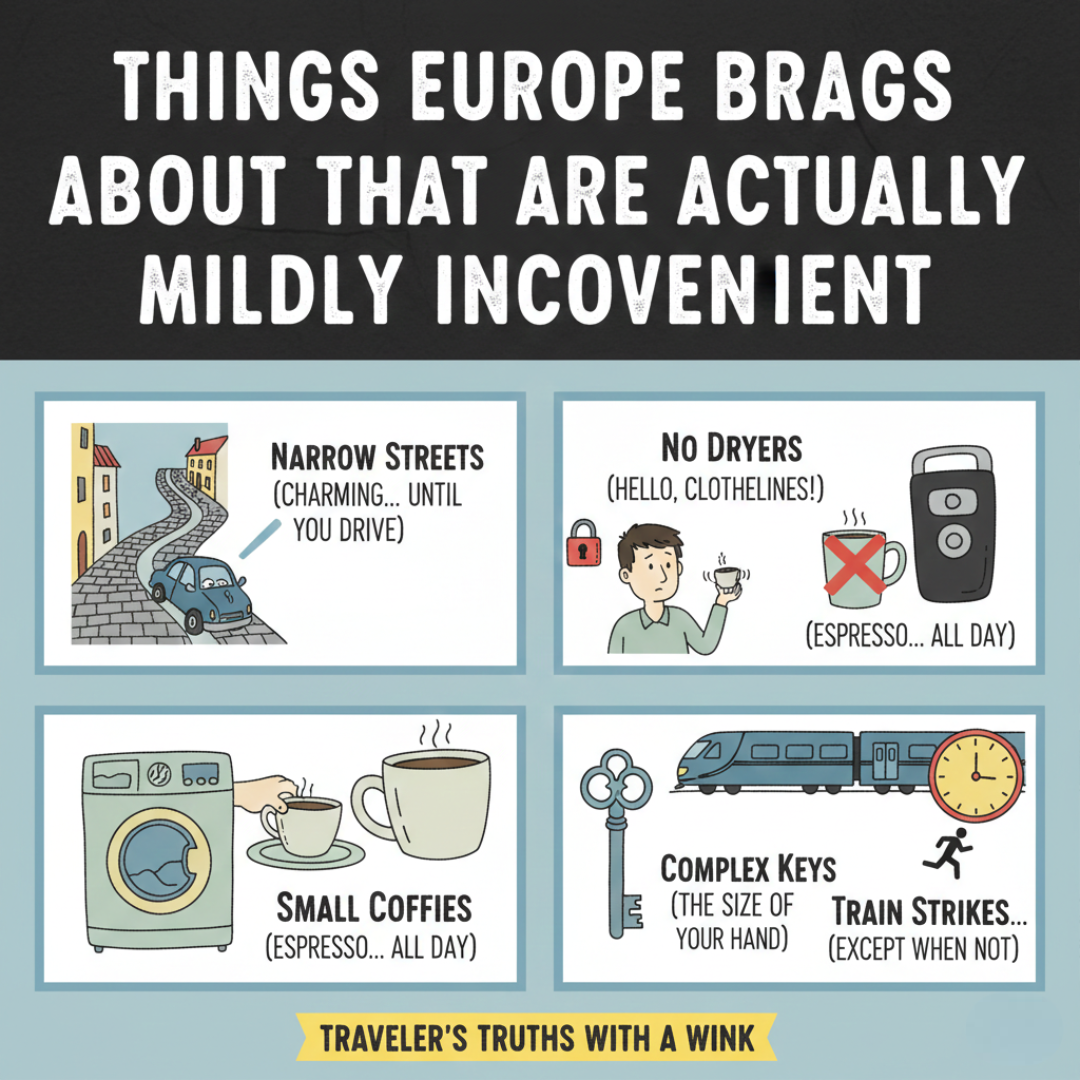
    Things Europe Brags About That Are Actually Mildly Inconvenient

    Europe is fantastic. It’s beautiful, historic, cultured, walkable, photogenic, and emotionally devastating in the best way. But Europe also brags about certain things the way a friend brags about their “quirky” personality trait that is, in practice, just… mildly annoying.

    This isn’t hate. This is affectionate honesty. Think of it as a travel guide written by someone who packed too light, stood in too many lines, and still had a great time.

    Welcome to Things Europe Brags About That Are Actually Mildly Inconvenient. read more

  • Crazy European Rules, Compared to other Countries, That Feel Fake but Aren’t

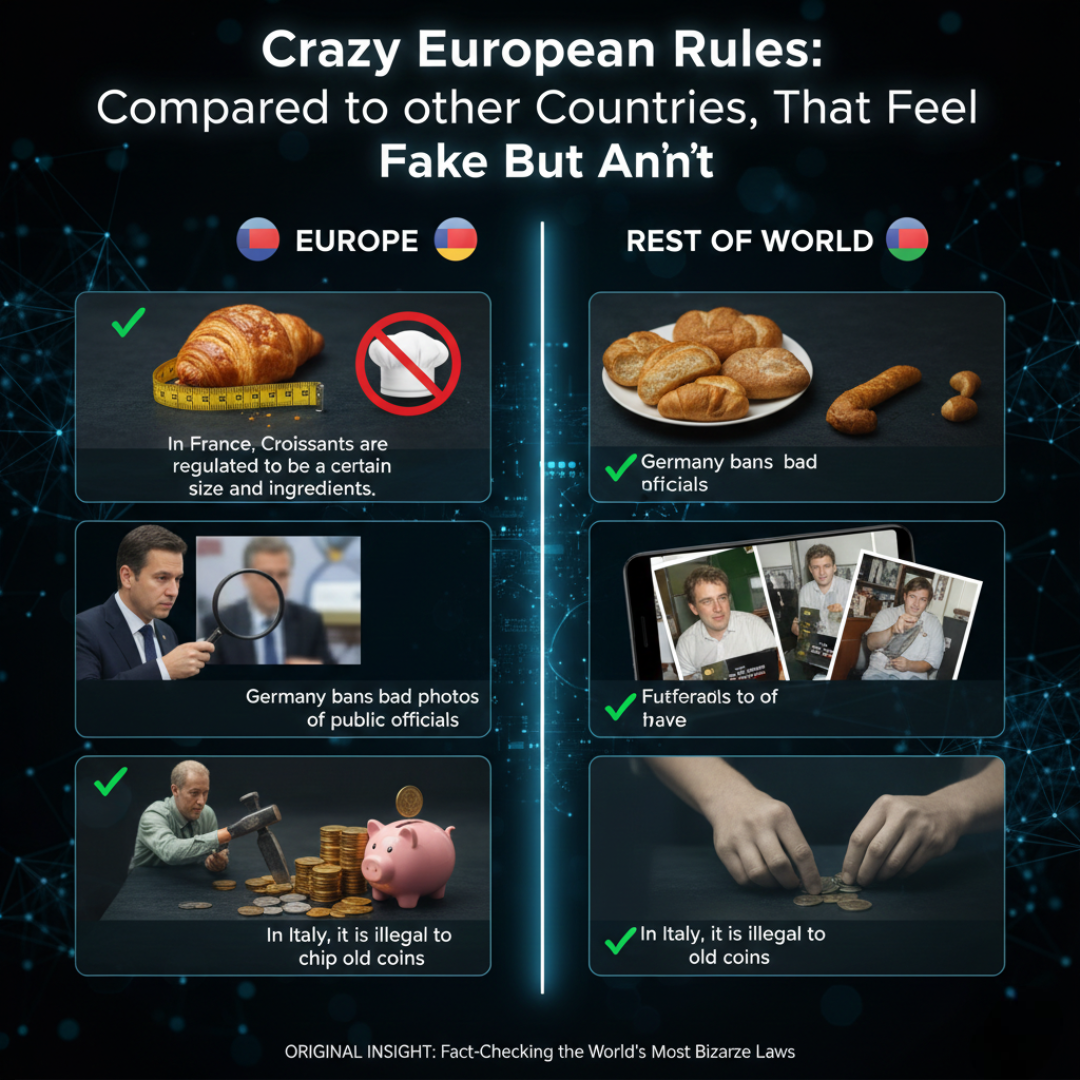
    Crazy European Rules, Compared to other Countries, That Feel Fake but Aren’t

    Europe looks old, charming, and relaxed. Cobblestones, cafés, wine at lunch. It gives off strong “vibes-only” energy.

    Then you jaywalk in Germany.

    Or flush your toilet too aggressively in Switzerland.

    Or eat a sandwich on church steps in Italy.

    Suddenly, Europe feels less like a postcard and more like a politely dressed hall monitor with centuries of precedent.

    These European rules aren’t fake. They aren’t rarely enforced myths either. They’re real, active, and occasionally enforced with the quiet confidence of a continent that’s been doing this longer than your countries has existed. read more

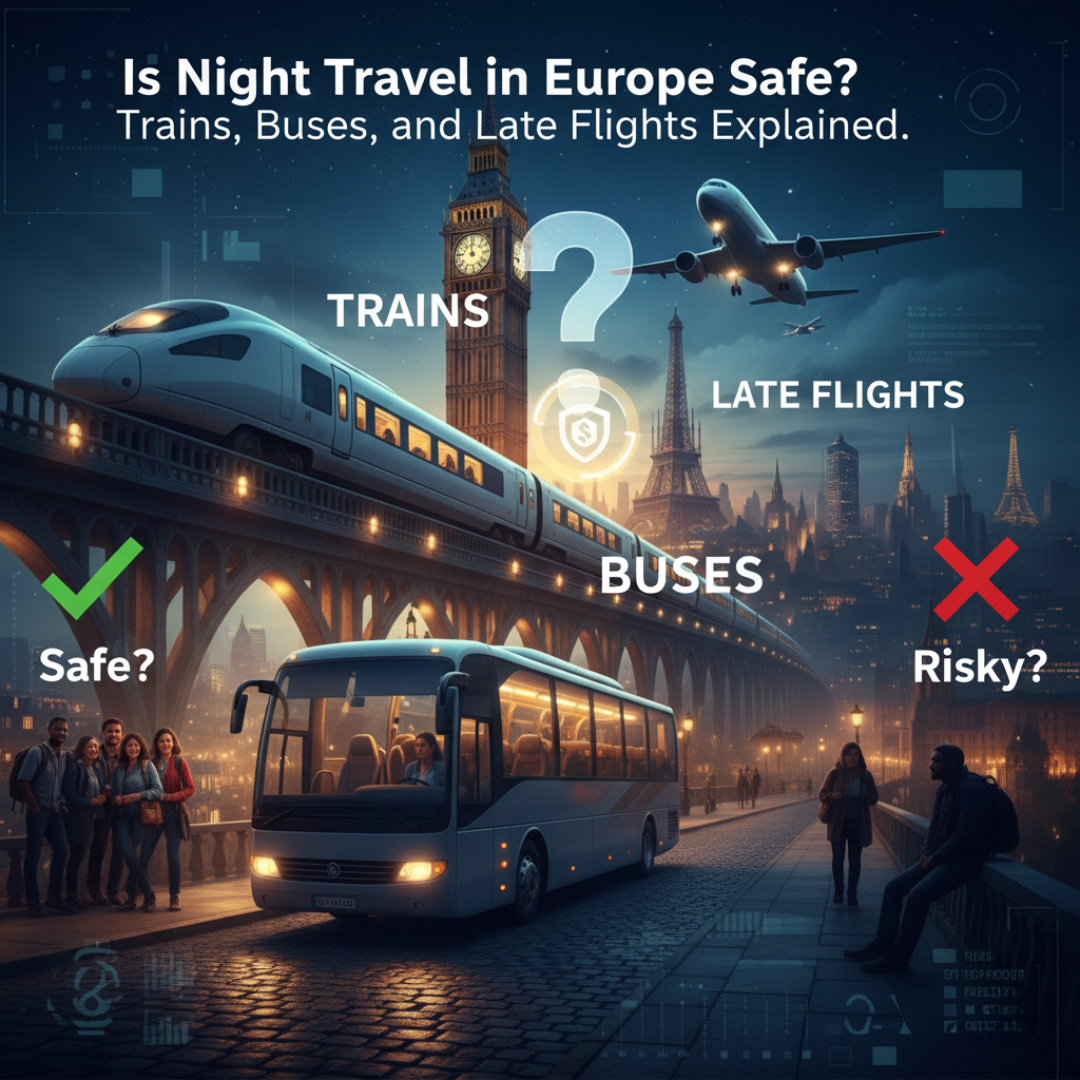
  • Is Night Travel in Europe Safe or not? Trains, Buses, and Late Flights Explained

    Is Night Travel in Europe Safe or not? Trains, Buses, and Late Flights Explained

    Alright, let’s dim the lights, grab a seat by the window, and talk about the thing everyone worries about but rarely explains properly.

    Night travel in Europe.
    Trains at midnight. Buses at 2 a.m. Flights that land when your brain has already clocked out.

    Is it dangerous?
    Is it smart?
    Or is it just dramatically over-feared?

    Short answer: it’s mostly safe, occasionally annoying, and very context-dependent.
    Long answer: buckle up—this is where the nuance lives.

    Why Night Travel Feels Scarier Than It Usually Is

    Humans are terrible risk calculators at night. Darkness + unfamiliar place + tired brain = instant horror movie soundtrack. read more

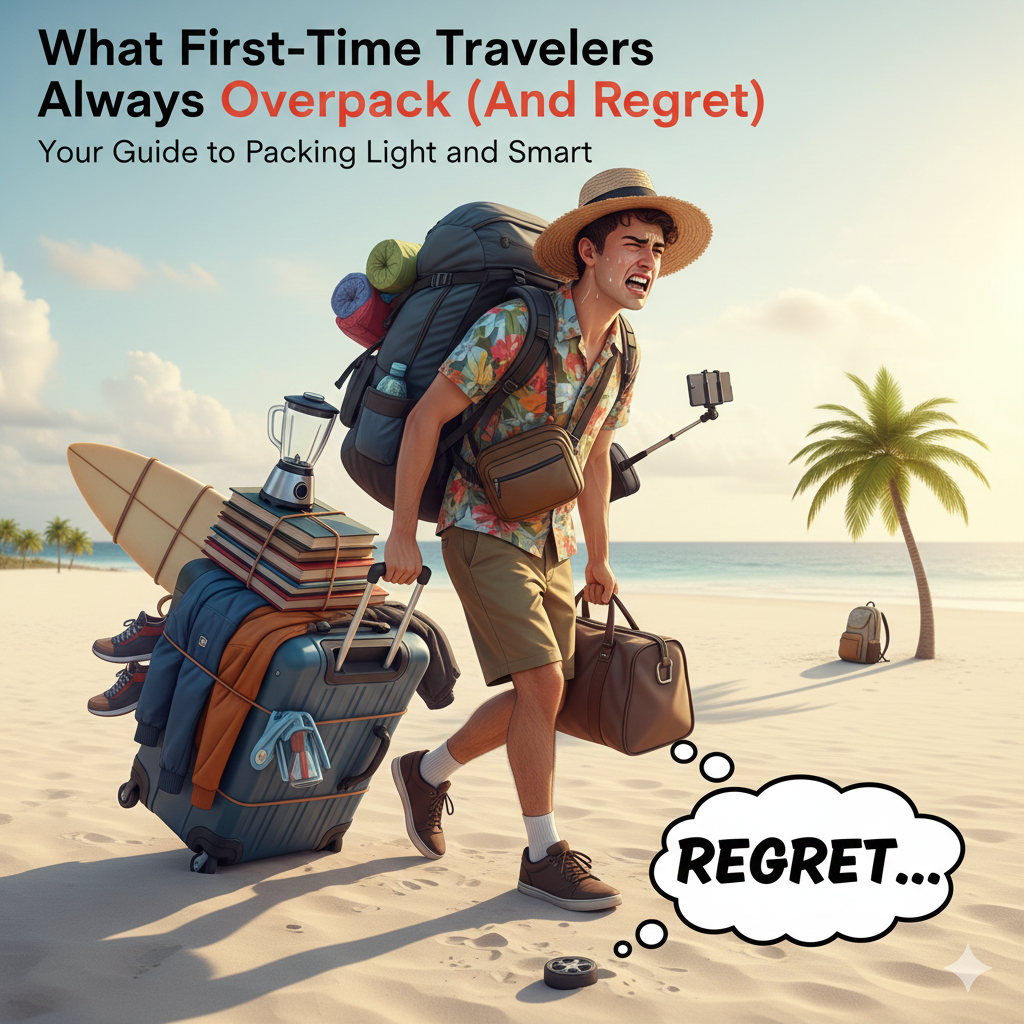
  • What First-Time Travelers Always Overpack (And Regret)

    What First-Time Travelers Always Overpack (And Regret)

    Alright. Let’s talk about the universal rookie mistake that unites first-time travelers across all borders, budgets, and confidence levels:

    overpacking like you’re fleeing civilization forever.

    This isn’t about shaming. This is about saving your back, your money, your mood, and that moment at airport security where you’re sweating while unzipping a bag that clearly hates you.

    First-time travelers don’t overpack because they’re careless. They overpack because they’re anxious. And anxiety packs options. Lots of them. Too many. All wrong. read more

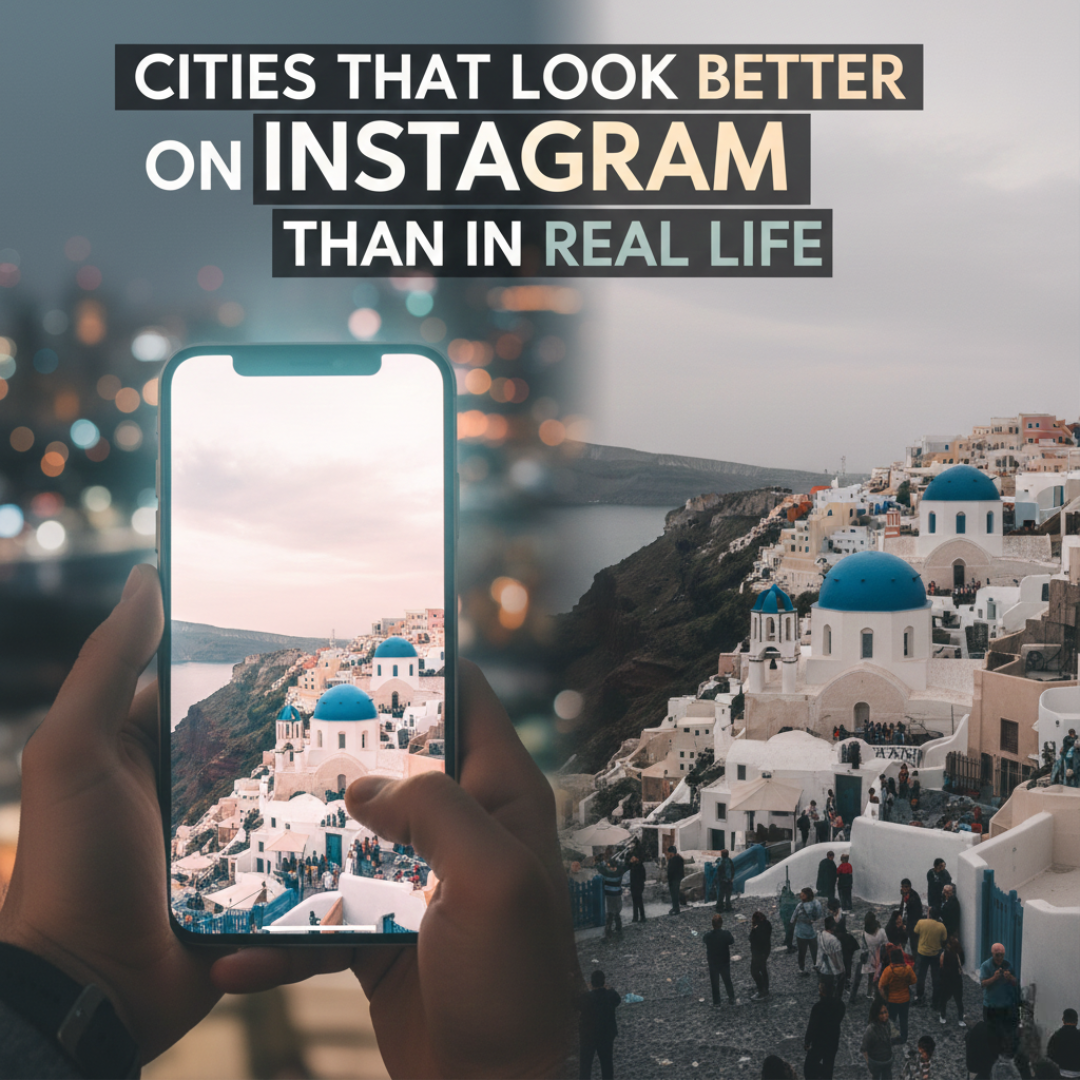
  • Cities That Look Better on Instagram Than in Real Life

    Cities That Look Better on Instagram Than in Real Life

    Instagram is a highlight reel. Cities are not.

    Most destinations didn’t become famous because they’re flawless everywhere — they became famous because one corner, one view, one street went viral. The problem starts when people assume that one perfect photo equals a perfect city.

    It doesn’t.

    Let’s talk about some places that photograph like a dream… and feel very different once you’re actually standing there, sweaty, jet-lagged, and holding a €6 coffee.

    Paris, France – Romantic in Photos, Relentless in Reality

    Instagram Paris:
    Soft light. Eiffel Tower peeking through Haussmann balconies. Croissants. Effortless romance. read more

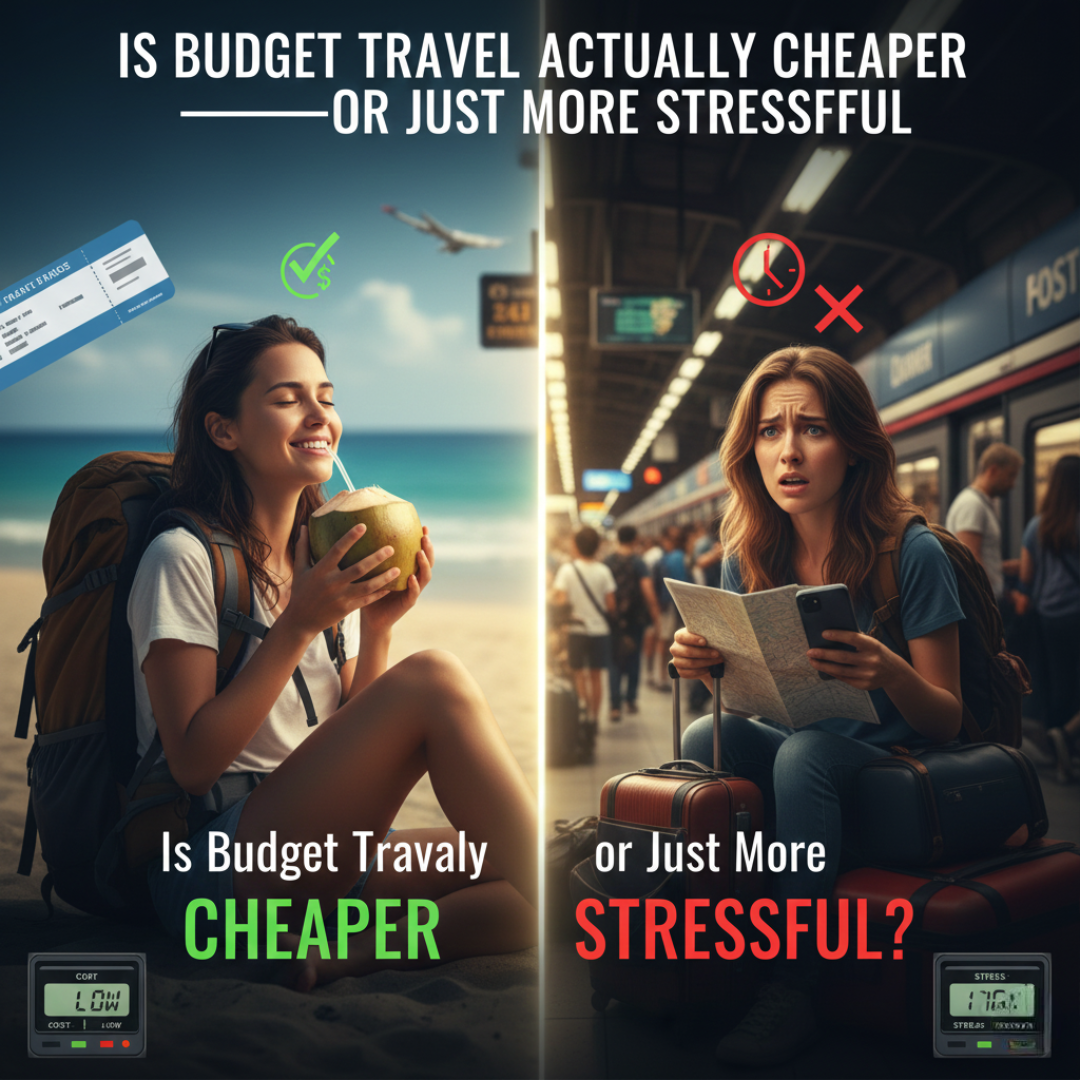
  • Is Budget Travel Actually Cheaper—or Just More Stressful?

    Is Budget Travel Actually Cheaper—or Just More Stressful?

    Budget travel is marketed like a life hack.

    “See the world for pennies!”
    “Travel smarter, not richer!”
    “Only tourists overpay!”

    And sure, sometimes that’s true.

    But other times? Budget travel feels less like freedom and more like a unpaid internship in logistics, sleep deprivation, and low-grade anxiety.

    So let’s stop romanticizing it for a moment and ask the uncomfortable question most travel blogs avoid:

    Is budget travel actually cheaper… or are you just paying in stress, time, and exhaustion instead of money? read more