Somewhere, right now, someone’s fighting to read, speak, or post a meme without government side-eye.
In some countries around the world, it’s an act of rebellion just to share banned books, stream a song, or click on Blocked Websites.
Freedom of expression — the thing we often take for granted — is still treated like a controlled substance in a lot of places. Let’s take a world tour of censorship, freedom fights rebellion, and the brave weirdos who refuse to shut up.
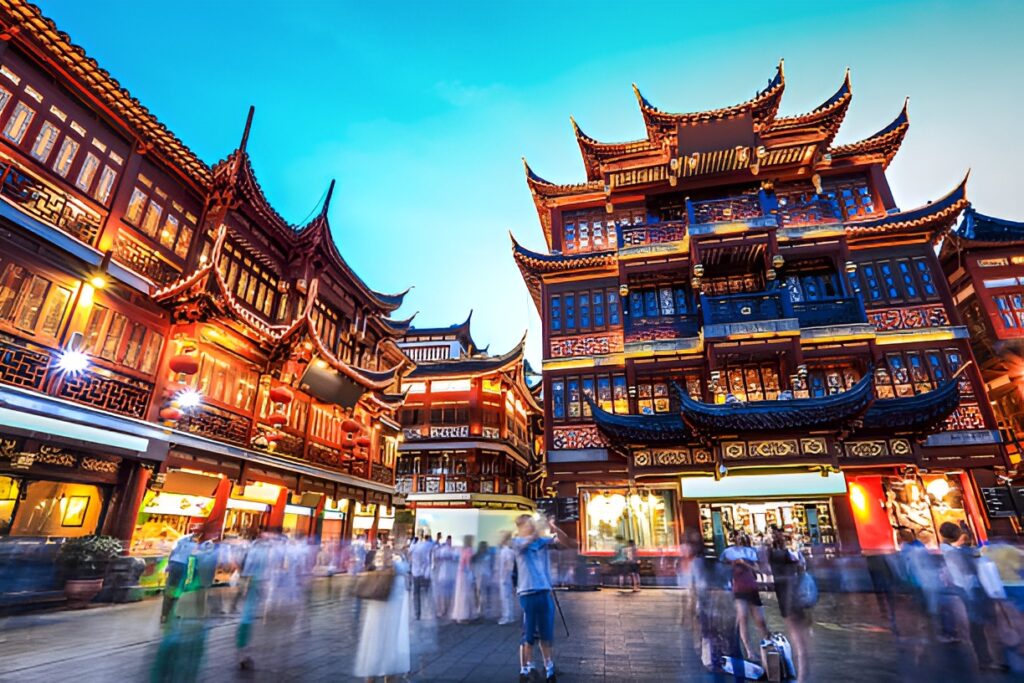
China – The Great Firewall That Blocks Half the Internet
Let’s start with the heavyweight champion of online censorship: China.
Facebook? Blocked. Instagram? Blocked. Twitter? Blocked. Google? LOL.
The country’s “Great Firewall” controls what 1.4 billion people can see online. Search “Tiananmen Square” or “Hong Kong protests,” and you’ll get nothing but patriotic rainbows.
But the Chinese internet isn’t dead — it’s thriving in its own bubble.
People use WeChat, Weibo, and Baidu — the “Chinese versions” of Western apps — and VPNs have become the new rebellion tool.
⚠️ Freedom Fight: Every so often, a hashtag slips through censorship before being vaporized. Each time, millions manage to glimpse the world outside — for a few seconds of digital rebellion.
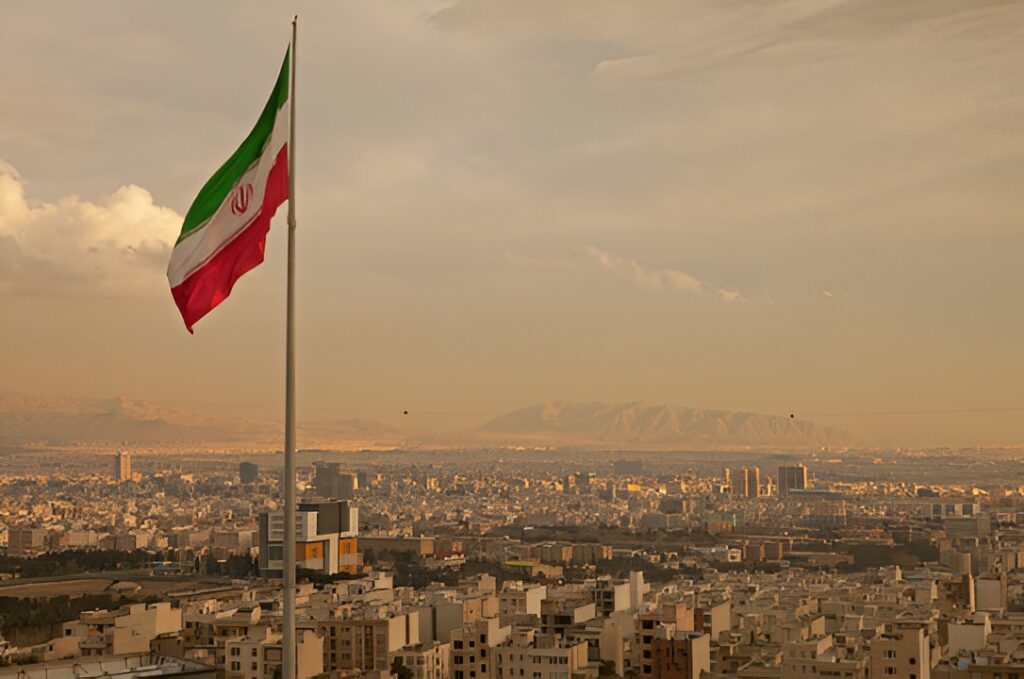
Iran – The Internet Is Watching You (and So Is the Morality Police)
Iran’s government monitors everything from what you wear to what you tweet.
Over the years, they’ve blocked YouTube, Facebook, Telegram, and countless news sites. Even video games and dating apps get axed for being “immoral.”
But Iranians? Absolute legends.
They use VPNs, mirror sites, and encrypted channels to get around it. When the government throttles the internet, citizens build mesh networks — basically Wi-Fi rebels.
📵 Freedom Fight: Women filming themselves without hijabs on social media has become an act of defiance. They’re literally risking arrest for a post.
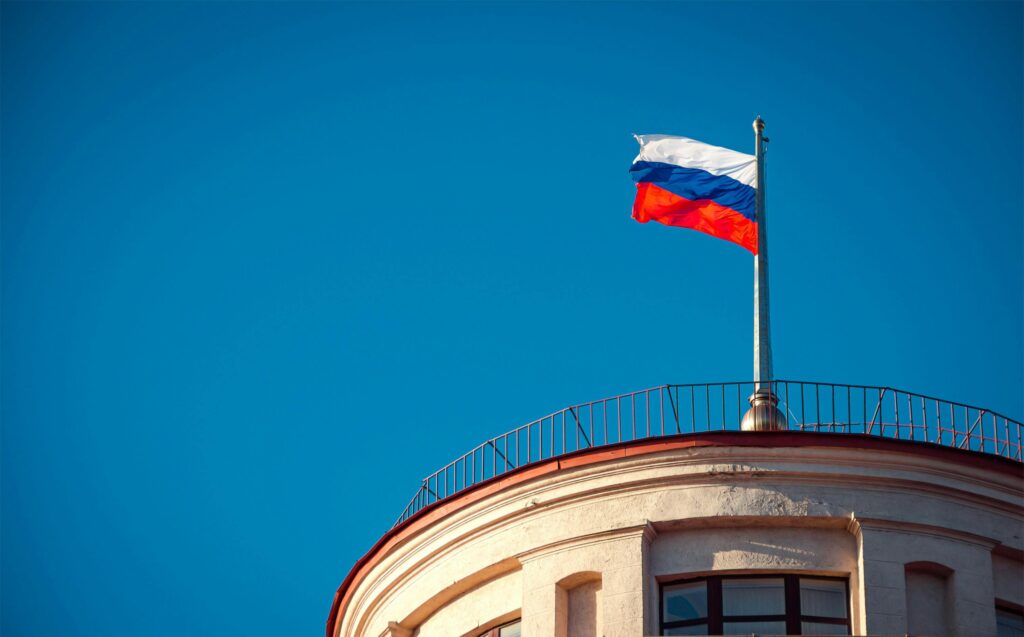
Russia – When Memes Become Treason
Russia has been cracking down hard on online speech. Criticizing the government, the military, or even sharing memes mocking leaders can get you fined or jailed.
Websites like LinkedIn, independent news outlets, and even some VPNs are blocked. It’s like the internet, but with an off switch.
📰 Freedom Fight: Independent journalists and bloggers move to platforms like Telegram or Substack to keep telling the truth — even when their domains get shut down overnight.
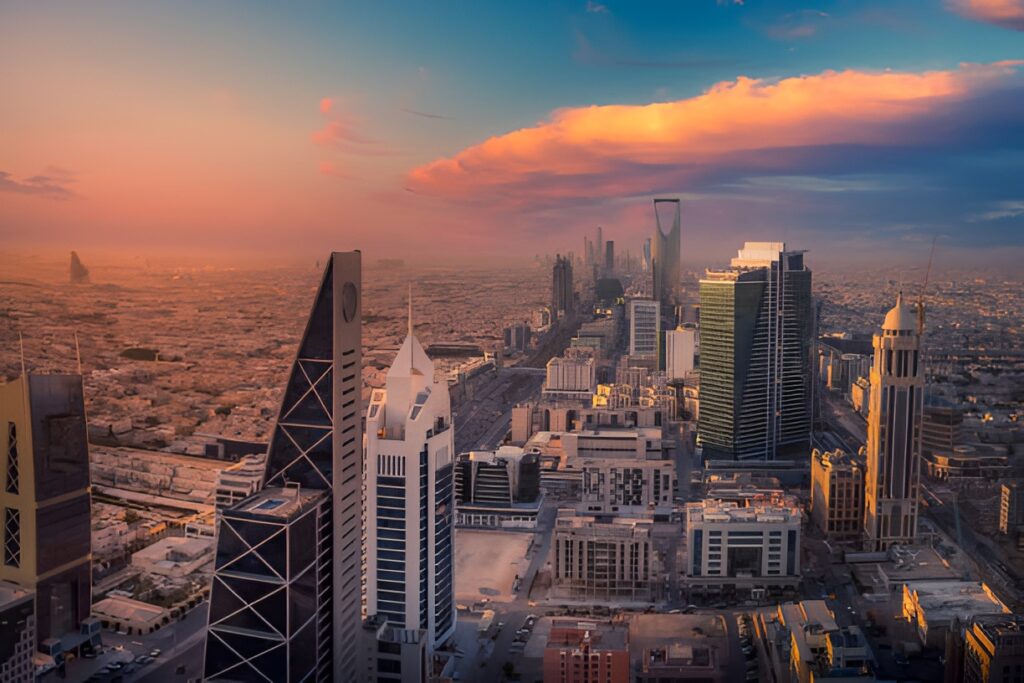
Saudi Arabia – The Country That Banned Blogging (Almost)
Saudi Arabia used to jail people for writing “anti-government” blogs or tweets. Even today, criticizing religion or leaders can lead to prison.
Websites that promote LGBTQ+ rights, political reform, or secular thought are blocked faster than you can say “VPN.”
✊ Freedom Fight: Despite it all, a wave of young Saudis uses art, humor, and anonymous accounts to slowly push boundaries — one TikTok at a time.
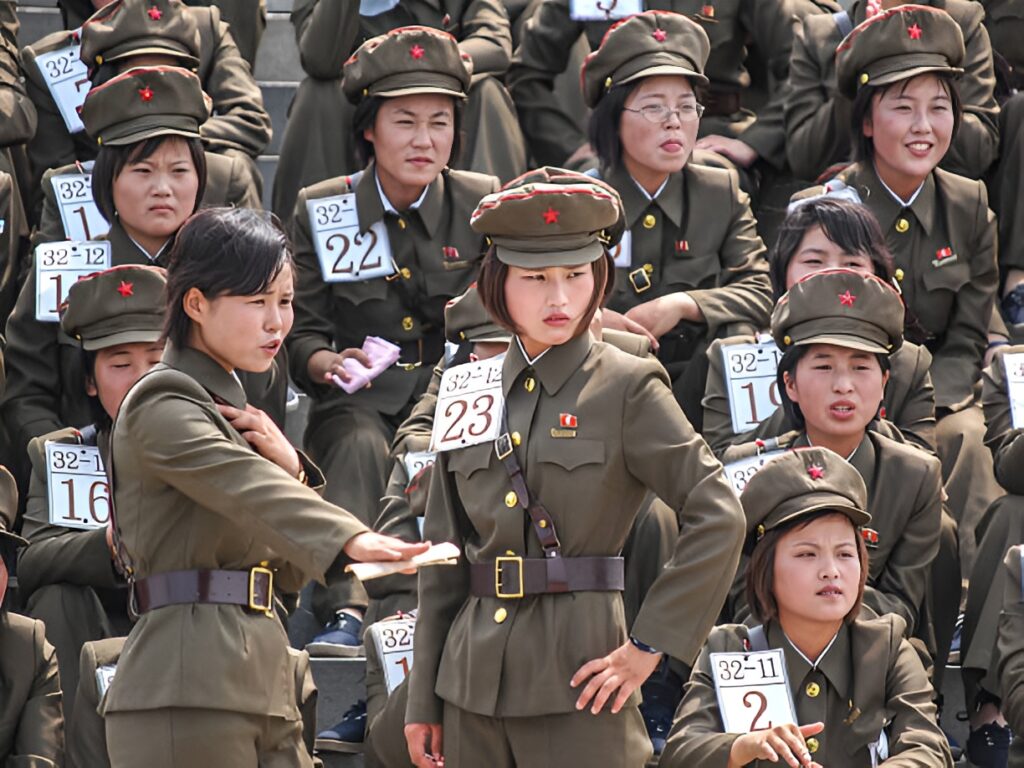
North Korea – The Internet? Never Heard of Her.
This one’s wild. Only a few thousand North Koreans have access to the real internet. Everyone else gets a fake intranet called Kwangmyong, filled with state propaganda and fun facts about how perfect their leader is.
📚 Freedom Fight: Smugglers sneak USBs filled with banned movies, books, and K-pop across the border — literal flash drives of rebellion.
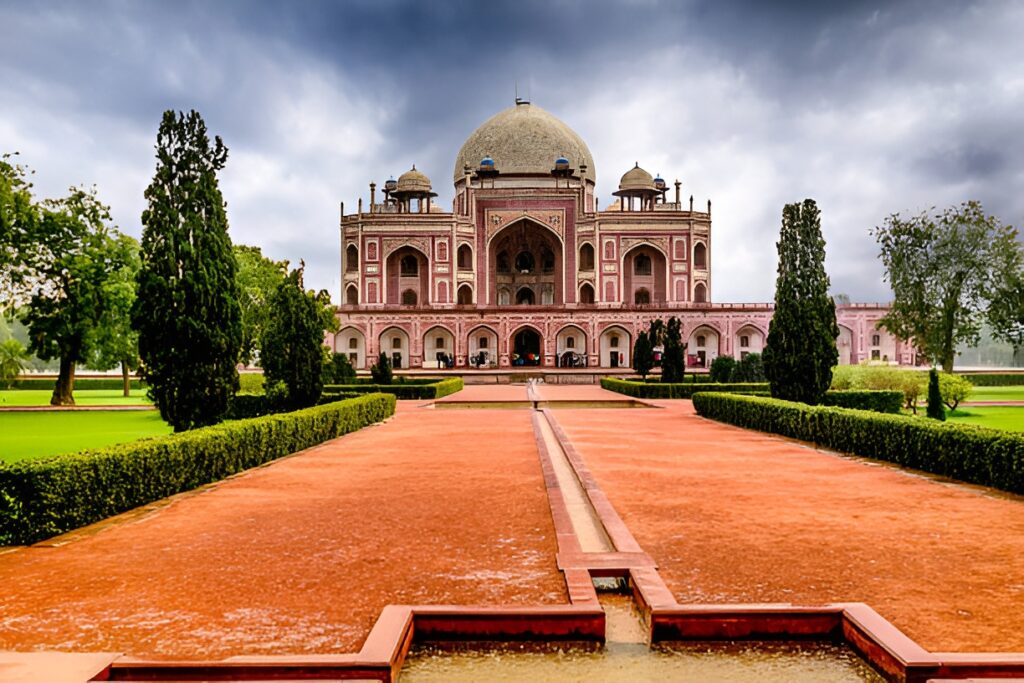
India – The Country That Banned Books Like It’s a Hobby
India loves literature — but also, banning it. Books have been banned for “hurting religious sentiments,” “offending political leaders,” or “disturbing harmony.”
Notable bans include The Satanic Verses by Salman Rushdie and The Polyester Prince about the Ambani family. Even websites and porn sites get blocked periodically for “moral reasons.”
📖 Freedom Fight: Indian netizens, artists, and journalists use satire, memes, and art collectives to keep dissent alive (with an extra layer of sarcasm).
Turkey – When Wikipedia Was the Enemy
From 2017 to 2020, Turkey banned Wikipedia — yes, Wikipedia! — because it didn’t like certain pages about government ties to terrorism.
It’s part of a long trend: blocking Twitter, YouTube, and news outlets during protests. The government controls much of the press and online media.
🕊️ Freedom Fight: Turkish citizens still found ways to access Wikipedia via DNS tricks and proxies. When the ban lifted, the site came back like a phoenix of free information.
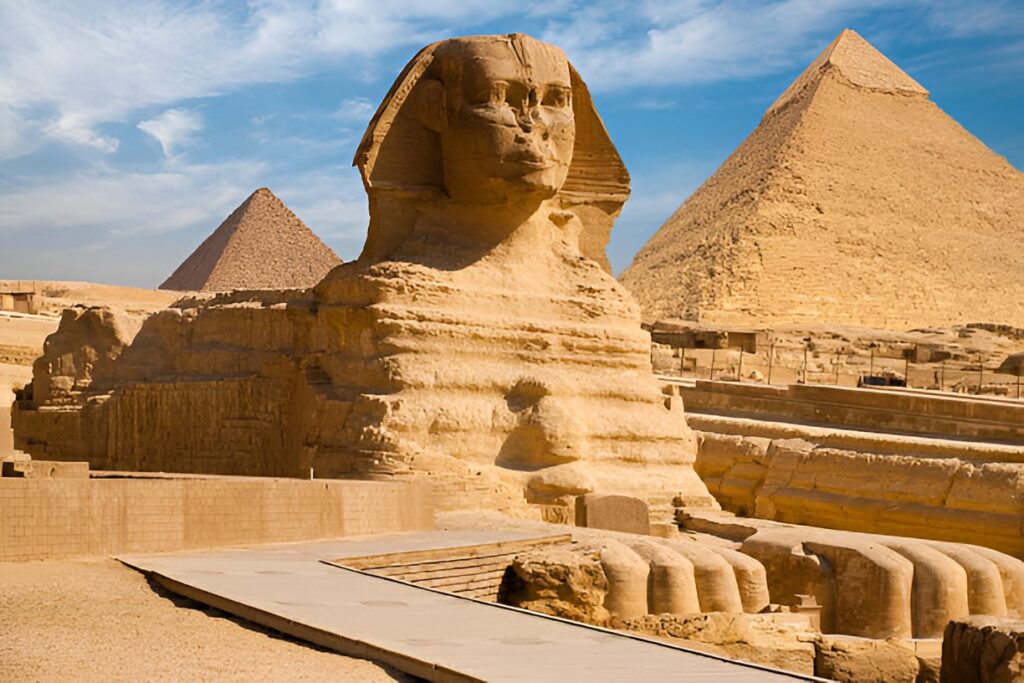
Egypt – The Crackdown on Bloggers and “Fake News”
Egypt’s laws allow the government to arrest people for spreading “false information” — a phrase so vague it could mean anything. Many bloggers and activists have been jailed just for criticizing policies online.
✍️ Freedom Fight: Egyptian activists continue to use encrypted messaging, podcasts, and diaspora-run media to speak truth despite censorship.
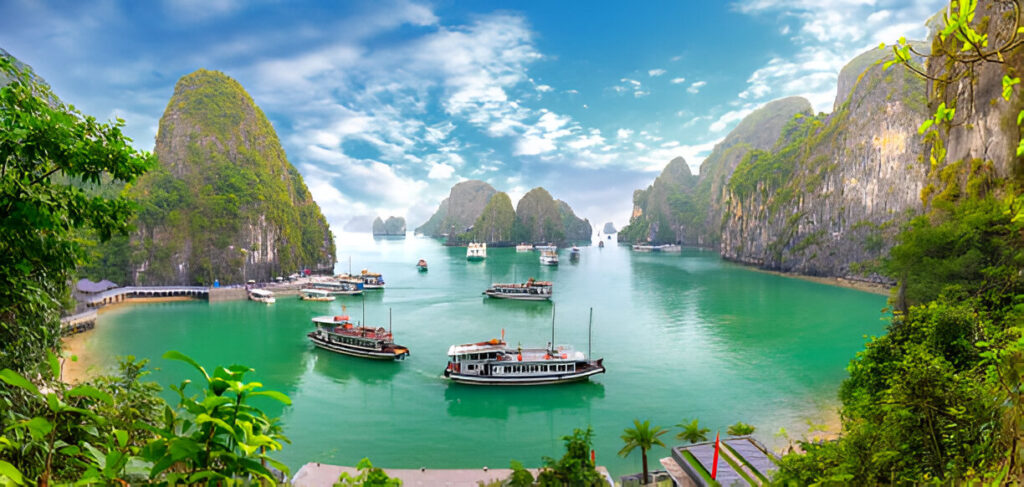
Vietnam – The “Cybersecurity Law” That Monitors Everyone
Vietnam’s 2018 law requires tech companies to store user data in the country and hand it over to the government upon request. It’s the kind of law that sounds like a cyberpunk dystopia.
🔥 Freedom Fight: Vietnamese activists have gotten creative — hiding messages in memes, coded posts, and even poetry. (Take that, algorithms.)
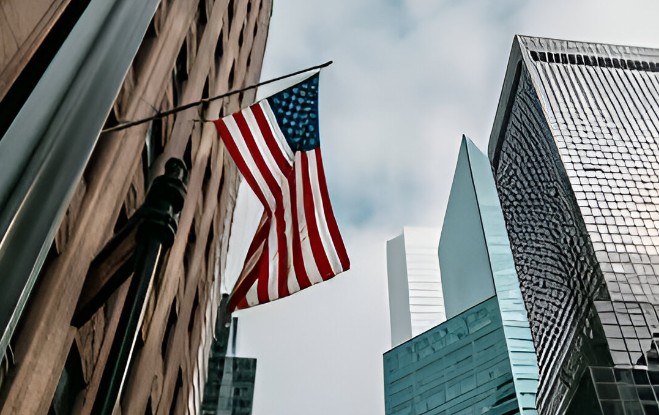
USA – Technically Free, But… Algorithmically Controlled
The U.S. doesn’t ban books or websites (usually), but algorithmic censorship is the new monster.
Platforms shadowban, demonetize, or suppress posts based on political heat — all while saying “it’s the algorithm.”
📚 Freedom Fight: Independent creators, journalists, and Substack rebels fight algorithmic silence with newsletters, podcasts, and their own platforms.
✊ The Internet Is the New Battlefield Around the World
Banned Books used to be burned. Now, URLs from blocked websites vanish. Voices go dark not because someone silenced them with fire — but with filters, firewalls, and AI moderation tools.
The tools have changed, but the fight hasn’t. Whether it’s a book smuggled across a border or a meme that gets deleted in seconds, every act of free expression matters.
So next time you post, tweet, or share — remember that in some corners around the world, what you’re doing right now is illegal courage.
If you are feeling lucky and want to randomly decide which Countries from Europe to travel to, for your journey, then click here to go to our random European country generator.
Leave a Reply