Solo travel has a weird reputation.
To some people, it’s freedom, self-discovery, and eating pasta alone like a mysterious main character.
To others, it’s apparently a non-stop horror movie involving pickpockets, scammers, and hostile locals waiting behind every corner.
So let’s clear the fog for Solo Travel in Europe
Europe is one of the safest regions in the world for solo travelers, but that doesn’t mean every fear is fake — or that every danger is real. Some risks are legit. Others are wildly exaggerated by travel forums, viral TikToks, and that one uncle who hasn’t left his city since 2004.
Let’s separate reality from overhype.
What’s Actually Safe (Yes, Really)
Walking Alone in Major European Cities
This one shocks people.
In most cities, walking alone — even at night — is normal, especially in central areas. Cities like Lisbon, Vienna, Prague, Amsterdam, and Copenhagen regularly rank among the safest urban spaces globally.
People are out late. Streets are lit. Public transport runs well past midnight. You’ll often see families, couples, and solo locals walking around like it’s no big deal — because it isn’t.
That doesn’t mean you wander blindly into sketchy neighborhoods at 3 a.m. with headphones blasting. It means that being alone does not automatically make you a target.
Reality check:
If a place feels safe enough for locals to walk casually, it usually is.
Public Transport (Trains Especially)
European trains are a solo traveler’s dream.
They’re clean, predictable, well-lit, and full of normal people just trying to get somewhere. Long-distance trains in Western and Central Europe are significantly safer than driving long hours alone.
Night trains get a dramatic reputation, but in reality they’re widely used by students, workers, and tourists. Choose a couchette or sleeper if you want peace of mind, lock your bag, and you’re fine.
Buses are also generally safe — just less comfortable and more chaotic.
Hostels (Even If You’re Introverted)
Hostels sound terrifying if your mental image is drunk backpackers and stolen socks.
In reality, most European hostels are professionally run, with lockers, key-card access, cameras, and staff who do not tolerate nonsense. Many even offer female-only dorms and private rooms.
Ironically, hostels are often safer than cheap hotels because there’s always someone around.
Introverts survive just fine. You’re not required to socialize. Sitting silently with your phone is allowed. No one will report you.
Eating Alone
This is not a danger — this is a vibe.
Europe does not care if you eat alone. Cafés, bakeries, wine bars, and casual restaurants see solo diners constantly. No one is watching you. No one feels sorry for you. No one assumes you were stood up.
If anything, eating alone in Europe is peak main-character energy.
What’s Overhyped (Borderline Nonsense)
“Europe Is Full of Dangerous No-Go Zones”
Every city has areas that are rougher than others. That’s called reality, not Europe-specific chaos.
What’s overhyped is the idea that tourists accidentally wander into war zones by taking one wrong turn. Tourist centers are tourist centers for a reason. You don’t randomly teleport into high-risk neighborhoods unless you deliberately go exploring far from common routes.
Basic rule:
If the street feels empty, poorly lit, and off-route — turn around. That’s not fear. That’s situational awareness.
Violent Crime Against Tourists
Violent crime targeting tourists is rare in Europe, especially compared to many other regions.
The real issue isn’t violence. It’s petty theft.
Pickpocketing, bag snatching, and distraction scams are the main problems — and even those are predictable once you know the patterns.
Which brings us to…
“Pickpockets Are Everywhere Waiting to Strike”
Yes, pickpocketing exists.
No, it is not an omnipresent threat lurking in every bakery.
Pickpockets focus on:
• crowded metros
• busy tourist attractions
• people distracted by phones
• open bags and loose pockets
They are not criminal masterminds. They are opportunists.
Use zipped bags, keep valuables close, don’t leave your phone on café tables, and you’ve eliminated 90% of the risk.
Language Barriers
You will not be stranded because you don’t speak five languages.
English is widely understood across Europe, especially in cities, transport hubs, and tourist areas. In many countries, people speak better English than native speakers who skip grammar.
Learning basic phrases is respectful and appreciated — but lack of fluency is not dangerous.
What You Actually Need to Be Careful About
Now for the honest part.
Overconfidence
Europe feels safe, so travelers sometimes drop their guard entirely.
That’s when phones get stolen, bags get left behind, and wallets disappear. Comfort should not become carelessness.
Confidence is good. Complacency is expensive.
Tourist Scams (They’re Boring, Not Dangerous)
Bracelet scams, fake petitions, “helpful” strangers offering directions — these are not violent threats. They’re mild annoyances designed to separate you from a few euros.
Ignore, don’t engage, keep walking. The end.
Burnout (The Real Solo Travel Killer)
Solo travel exhaustion is real.
Too many cities. Too many museums. Too much pressure to “make it worth it.” Burnout leads to poor decisions, missed trains, and general misery.
The safest solo traveler is the one who sleeps, eats properly, and doesn’t treat travel like a competitive sport.
So… Is Solo Travel in Europe Actually Safe?
Yes. Undeniably. Statistically and socially.
Europe is one of the easiest places on Earth to travel alone — especially for first-time solo travelers. The systems work. The infrastructure helps you. The culture does not single you out.
The danger is not Europe.
The danger is misinformation, exaggeration, and letting fear steal experiences you’ll regret skipping later.
Travel smart. Stay aware. Trust your instincts.
And don’t let overhyped fear rob you of one of the best ways to see the world — on your own terms.
Solo doesn’t mean unsafe.
It means uninterrupted freedom.
Author: Shayan Hamad
-
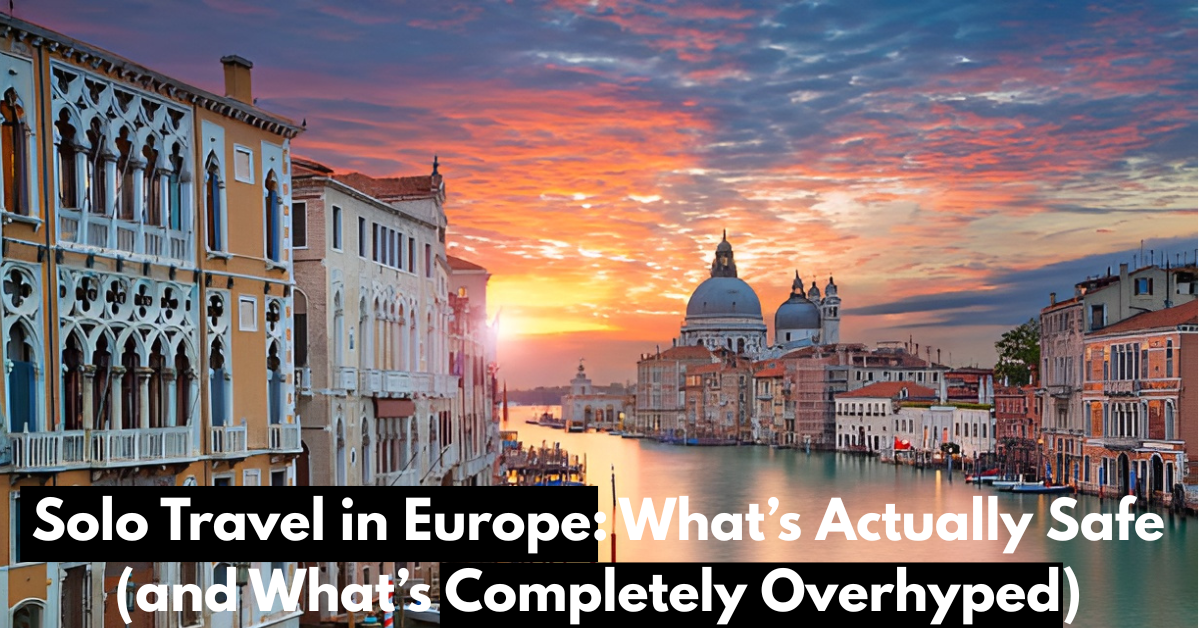
Solo Travel in Europe: What’s Actually Safe (and What’s Completely Overhyped)
-
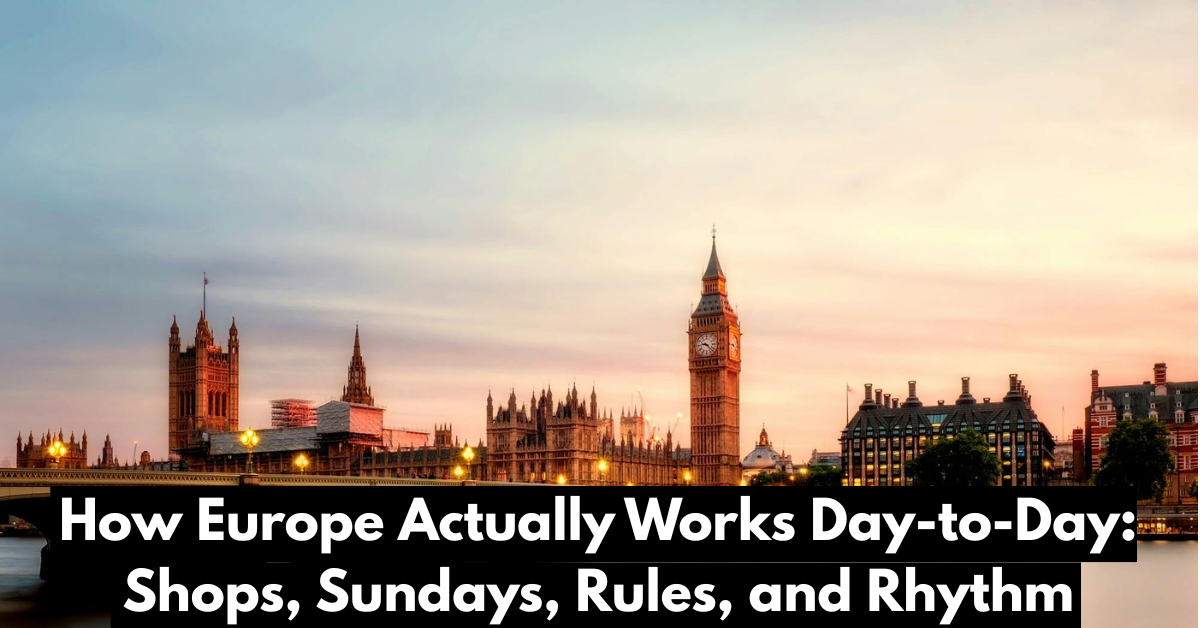
How Europe Actually Works Day-to-Day: Shops, Sundays, Rules, and Rhythm
“The streets of Europe are a tourist’s paradise—cobblestone streets, historic buildings that are centuries old, and food so good it’s almost criminal. But the first thing any newbie tourist will tell you is, ‘You know what would be even better? If all the businesses were actually open
Europe is no more chaotic than other places, it just has its own tempo. Once you realize how things work in this country, everything falls into place: shopping, Sundays, breaks, rules, and the pulse of every country.
-
Paris vs Rome vs Barcelona: Which 1 City Is Right for Your Travel Style?
Every year, millions of travelers stare at the same three names like they’re choosing a starter Pokémon.
All legendary. All iconic. All capable of delivering the trip of a lifetime… or quietly ruining it if you pick the wrong one for who you are.
Because here’s the uncomfortable truth no travel brochure will tell you:
these cities are wildly different personalities wearing equally famous outfits. The travel styles are different.This guide isn’t about “which city is better.”
It’s about which city fits you. -
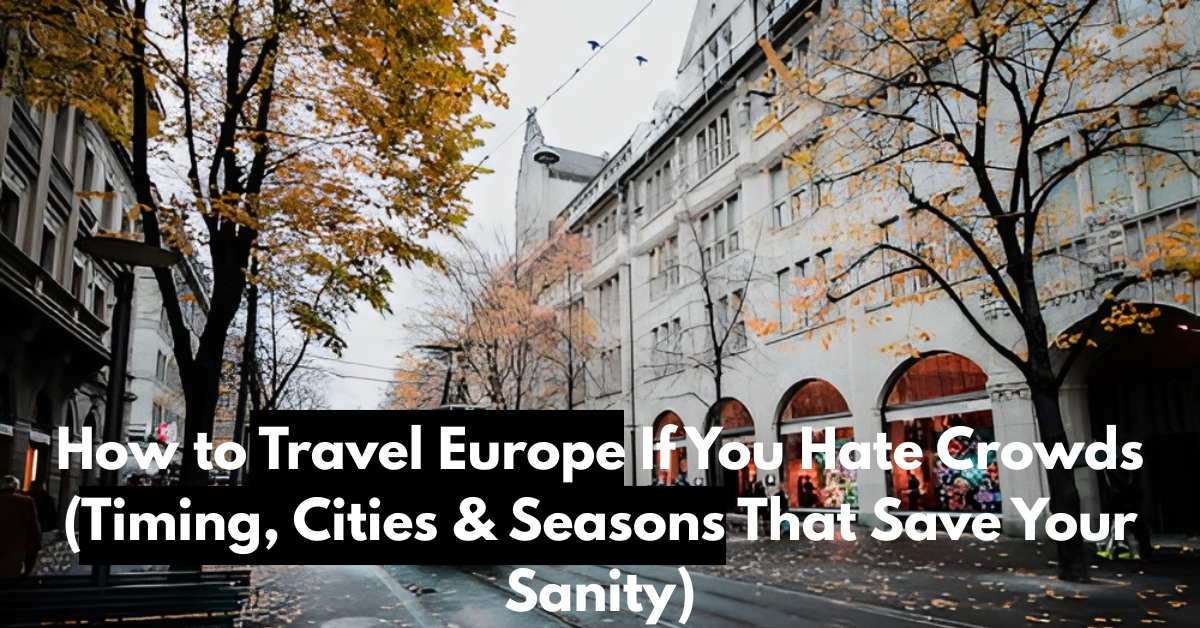
How to Travel Europe If You Hate Crowds (Timing, Cities & Seasons That Save Your Sanity)
Europe is incredible.
Europe is also loud, packed, and occasionally feels like a human sardine can with gelato.If the idea of shoulder-to-shoulder sightseeing makes your soul leave your body, this guide is for you. You don’t hate Europe — you just hate crowds. Luckily, Europe has options. You just need to travel smarter than the average summer tourist.
Let’s fix this.
The Biggest Mistake: Traveling When Everyone Else Does
Summer is the enemy of crowd-free Europe.
July and August combine:
- school holidays
- cruise ship season
- peak pricing
- peak temperatures
- peak irritation
Cities don’t just get busy — they get overwhelmed. Locals leave. Infrastructure strains. What should feel romantic starts feeling logistical.
-

How to Choose the Right European SIM or eSIM Without Overpaying
Buying mobile data in Europe should be simple. You’re in 2025. Satellites exist. AI exists. Yet somehow, the moment you land, you’re standing in an airport staring at a European SIM card wall like it’s a personality test.
One option costs €10. Another costs €40. One says “unlimited.” Another says “EU roaming included*” with an asterisk that screams danger.
Let’s fix this once and for all.
Why This Decision Actually Matters
Your SIM choice affects more than just Instagram uploads.
Bad data plans mean:
- Maps not loading when you’re lost
- Ride apps failing at the worst moment
- Paying roaming charges that feel legally suspicious
- Burning through data because your plan wasn’t meant for travel
Good connectivity quietly makes your trip smoother. Bad connectivity turns minor inconveniences into rage-filled core memories.
-
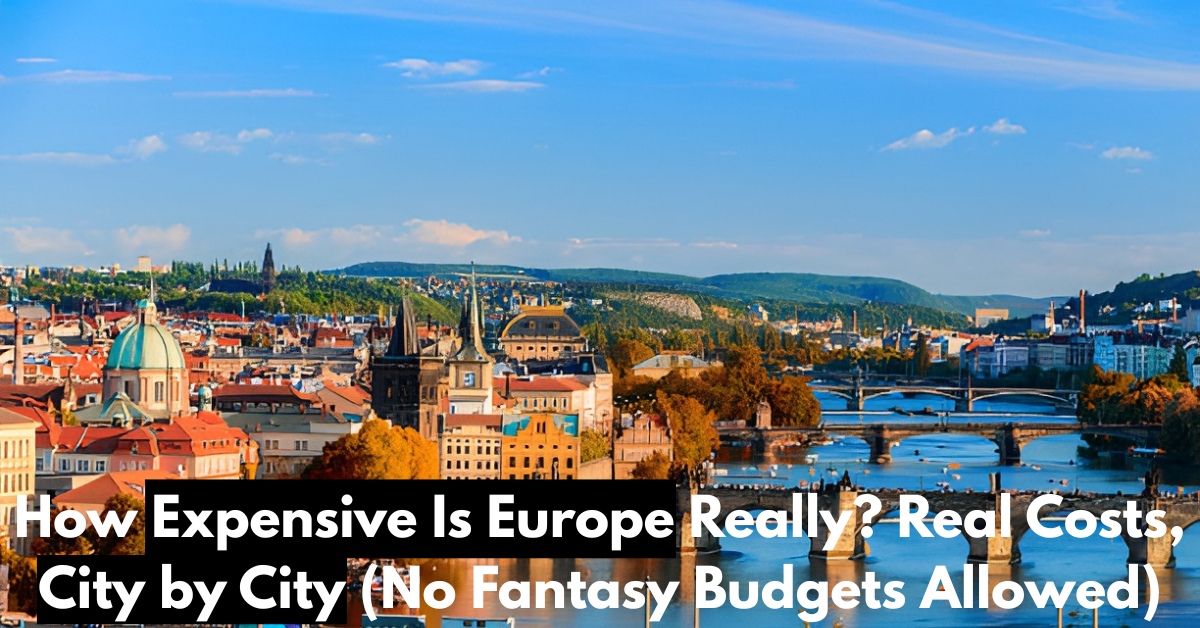
How Expensive Is Europe Really? Real Costs, City by City (No Fantasy Budgets Allowed)
Europe has a branding problem.
How expensive is Europe? Some people think it’s impossibly expensive.
Others swear they “did Paris for $40 a day” (they did not).
The truth lives in the uncomfortable middle — and it depends entirely on the city and how you travel.Let’s break it down with realistic daily costs for an average traveler who wants comfort, not chaos. How Expensive is Europe?
💸 The Wallet Crushers
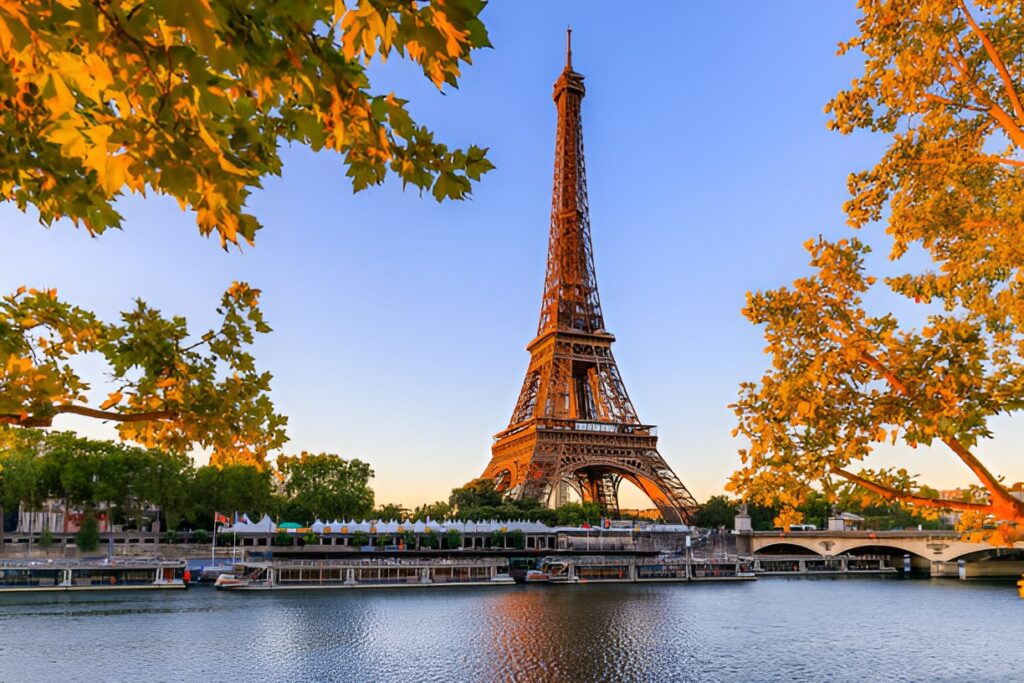
Paris, France
€120–€180/day
- Hotel: €100–€160 (central, clean, not glamorous)
- Food: €35–€50
- Transport + attractions: €15–€30
Paris is expensive because it knows it’s Paris. You’re paying for location, aesthetics, and the audacity of charging €7 for coffee with vibes.
-
The Biggest Mistakes First-Time Europe Travelers Make (And How to Avoid Ruining Your Own Trip)
Europe looks dreamy on Instagram. In real life? It’s also a masterclass in how quickly a vacation can go sideways if you don’t know what you’re doing.
First-time travelers make the biggest mistakes over and over — not because they’re dumb, but because Europe quietly plays by different rules.
Let’s save you from learning the hard way.
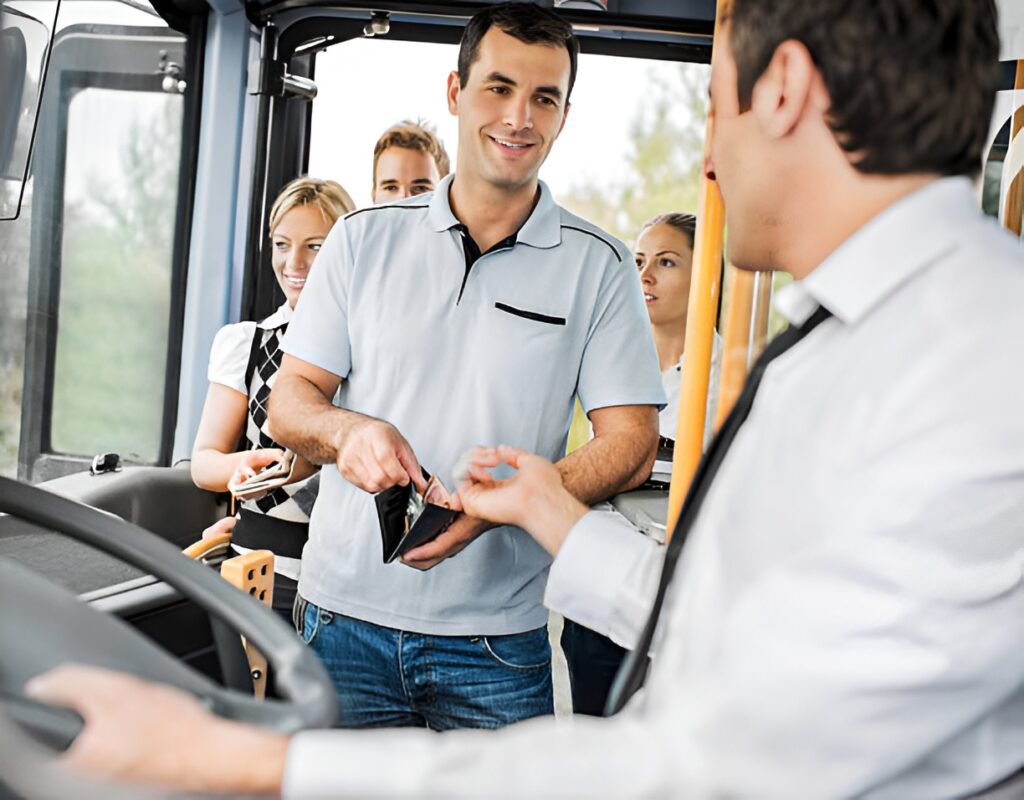
Mistake #1: Buying the Wrong Transport Pass (Or the Most Expensive One)
“I’ll just buy the biggest pass so I’m covered.”
Classic mistake.Many travelers buy unlimited rail or city transport passes they barely use. Others buy tickets without validating them and get fined on day one. Some buy long-distance train passes when budget airlines or buses would’ve been cheaper and faster.
-

Where to Actually Stay in Europe: Best Hotel Reviews That Go Beyond “Nice Room, Good Location”
Europe doesn’t have a hotel shortage.
It has a decision paralysis problem.Every city has 400 “highly rated” places, all promising charm, comfort, and a breakfast that will “change your life.” Most won’t. Some absolutely will.
This guide of hotel reviews, isn’t about the cheapest beds or the fanciest chandeliers. It’s about hotels that shape the trip itself — places that understand where they are, who they’re for, and why travelers remember them long after checkout.
These are stays with personality.
-

The 3 Secret Underground Cities of Europe — Beautiful Worlds Hidden Beneath Your Feet
When people talk about exploring Europe, they brag about climbing towers, trekking mountains, or getting lost in medieval alleys. Cute.
But the real magic?
It’s underneath all of that.Europe has entire underground cities beneath its cities — places carved by miners, haunted by history, and forgotten by time until modern travelers started poking around with guided tours and camera flashes. These aren’t just “basements with attitude.” They’re full ecosystems, once home to rebels, monks, smugglers, royals, cults, and the occasional rat that probably paid rent.
-

12 Countries With Weird Laws That Feel Like They Were Written During a Hangover
(Because someone, somewhere, said “yeah sure, that seems normal.”)
Countries have laws designed to protect order, safety, and basic human decency.
Then there are weird laws so bizarre you can’t help but wonder if the lawmakers were sleep-deprived, hungover, or just extremely bored.From forbidden gum to posthumous marriages, let’s travel the world one questionable statute at a time — and see these countries with weird laws.
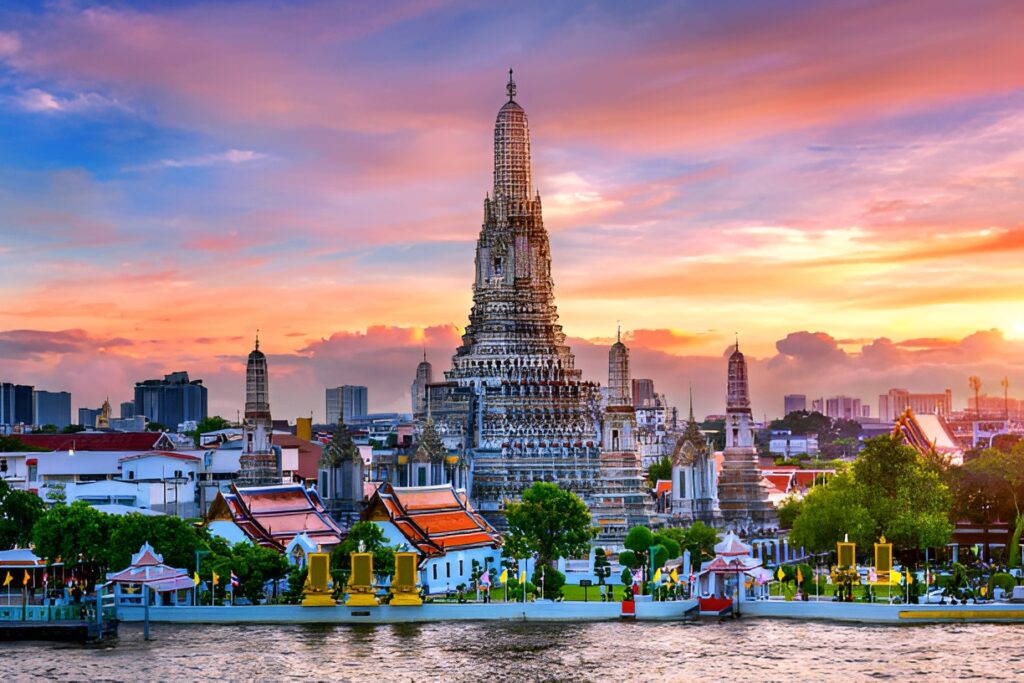
Thailand — Don’t Step on Money. Seriously. Don’t.
Thailand’s most famous “wait… what?” law makes it illegal to step on money.
Not because they’re worried about hygiene or inflation — but because Thai currency carries the image of the king, and stepping on his face (even by accident) is considered disrespectful.