Festivals are evidence that humans, wherever they are, adore two things: gathering in one place and going completely bonkers. They’re not holidays — they’re a glimpse of a nation’s heart. Through them, we glimpse history, custom, and imagination burst into existence. Sometimes literally (hello, fireworks and Viking ship-burning enthusiasts).
Let’s take a trip across travel destinations to explore some of the most iconic classic festivals, and break down what makes each one totally unique.
🌈 Holi – India
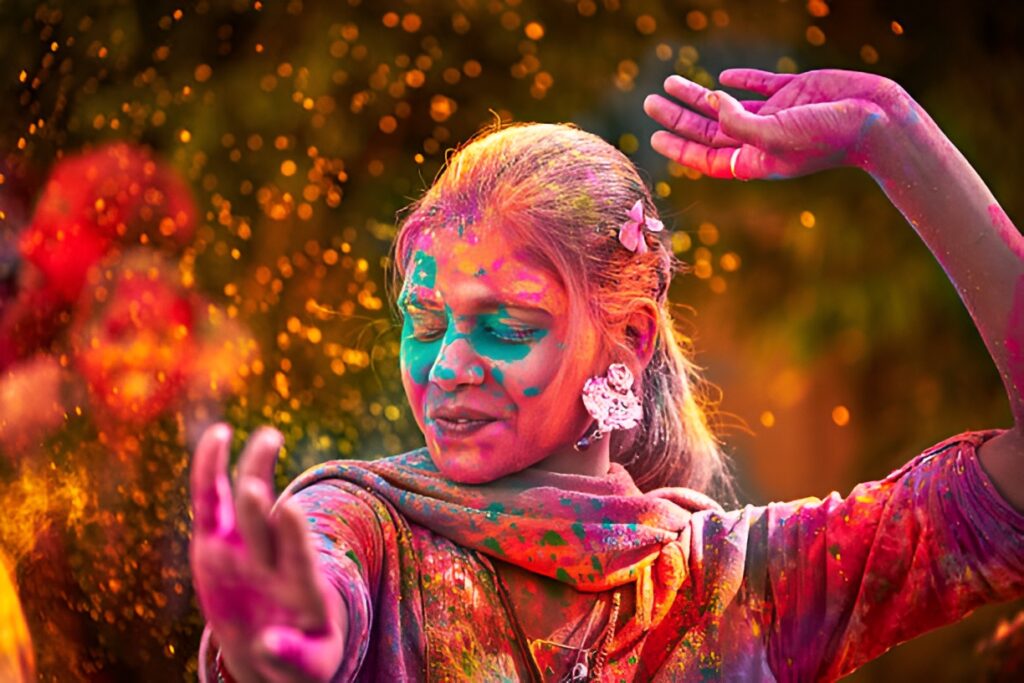
If you’ve ever wanted to legally dye your boss neon pink, Holi is your shot. Known as the “Festival of Colors,” Holi is celebrated across India and Nepal in March to welcome spring.
What makes it unique:
It’s sheer, unadulterated mess. People fling powdered colors and splatter water until all of them appear like walking rainbows.
It’s highly symbolic — a festival of love, forgiveness, and good overcoming evil.
Strangers and families participate in equal measure, for Holi’s playbook is simple: if you can see them, then you color them.
Holi is not just a festival; it’s therapy in the guise of pandemonium.
💀🌼 Día de los Muertos – Mexico
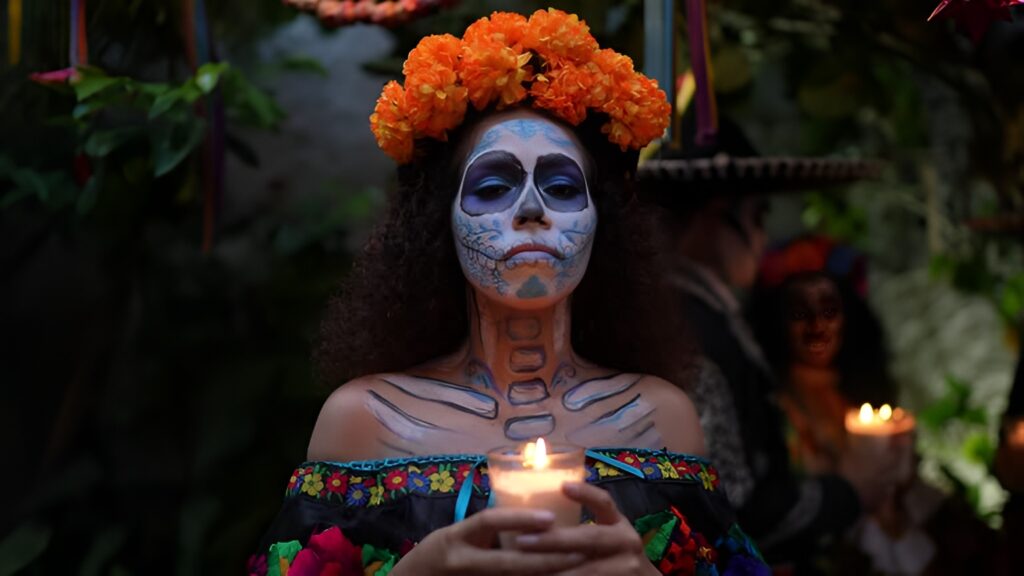
The “Day of the Dead” is a cultural treasure in which Mexicans celebrate deceased loved ones with altars (ofrendas), marigolds, candles, sugar skulls, and offerings of food.
What is special about it:
It changes mourning into celebration. Families invite the souls of their loved ones “home again” for one night.
Art and identity shine — from Catrina makeup to papel picado decorations.
Unlike Halloween, it’s not scary. It’s a heartfelt, colorful, loving celebration.
It’s evidence that memory and family are greater than death. (Also, it’s the only instance where consuming a skull-shaped cookie is respectful.)
🍅 La Tomatina – Spain
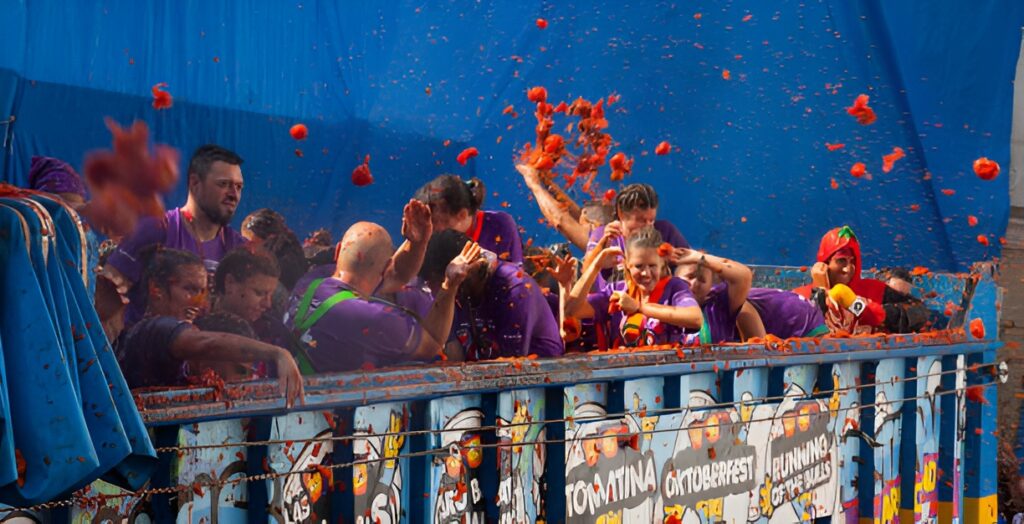
Picture this: a food fight so massive that school cafeteria fights seem like a picnic. Thousands of people attend every year in Buñol, Spain, to bombard one another with tons of tomatoes.
What makes it unique
It has zero religious or historical meaning. It started in the 1940s as a random food fight and became a tradition.
The town literally washes down the streets with hoses afterward.
For one day, tomato is both your weapon and your shampoo.
If you’ve ever wanted to live inside a spaghetti sauce commercial, La Tomatina is your destiny.
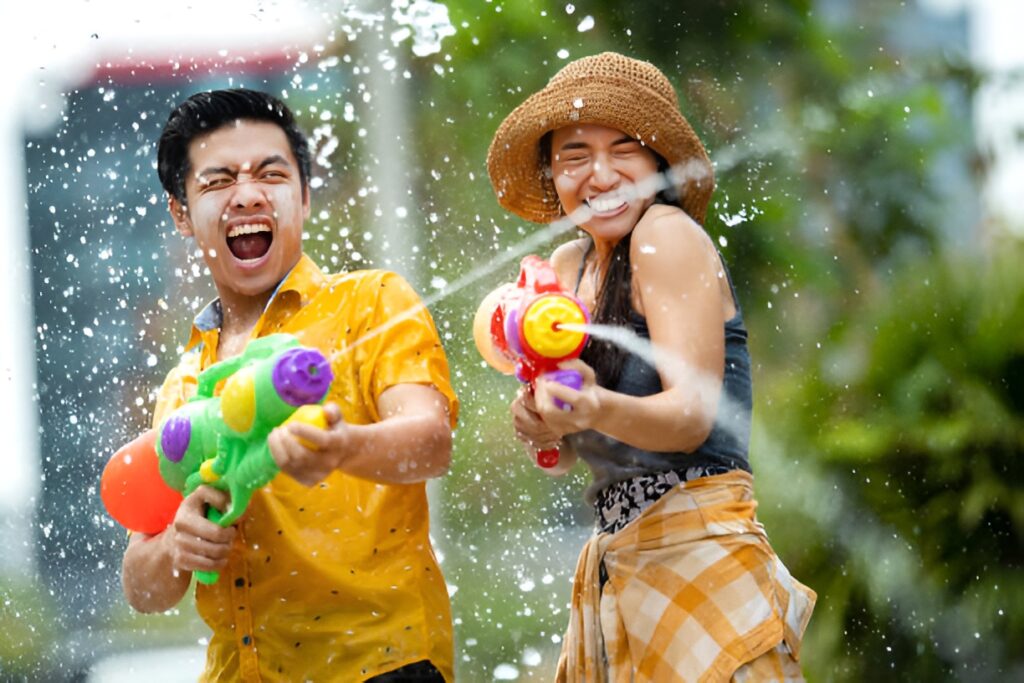
💦 Songkran – Thailand
Thailand’s New Year (April 13–15) is basically the world’s biggest water fight.
What’s special about it:
Pouring water used to be a blessing ceremony — nowadays, it’s a full-on street soaking.
Tourists and locals alike unite; nobody is immune.
Expect to witness water guns, pails, and even elephants spraying folks down.
It’s both spiritual and comedy relief. Think commencing a new year soaked, laughing, and refreshed — that’s Songkran.
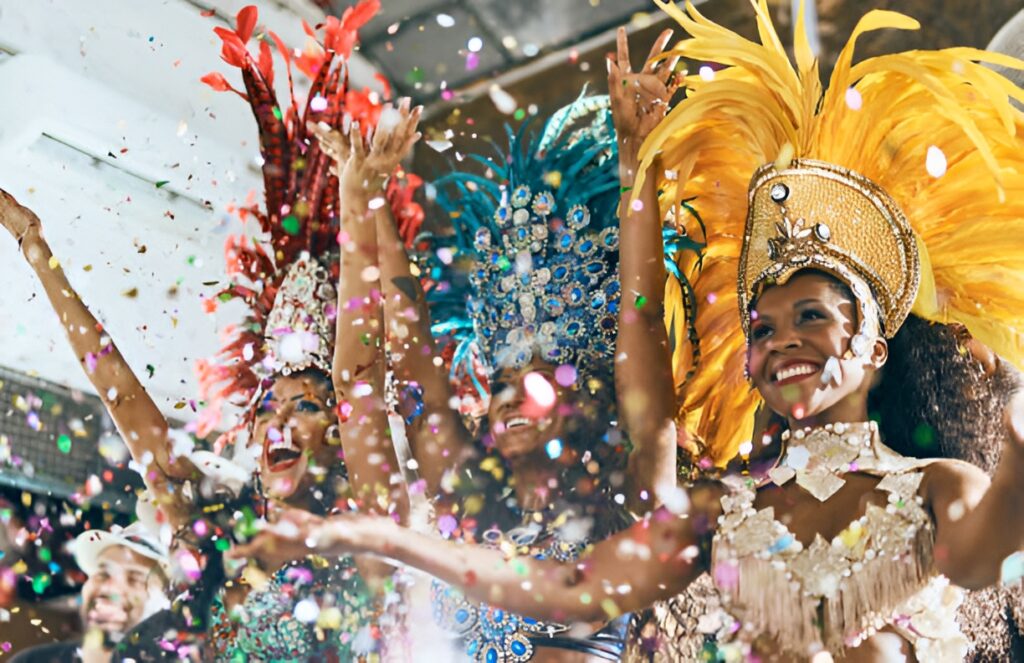
🎭 Carnival – Brazil
If glitter existed, its capital city would be Rio de Janeiro during Carnival. Samba schools engage in huge parades with dancers, floats, and costumes that appear to have been confiscated from a dream sequence.
What is special about it:
It’s not a party — it’s a intense competition. Samba schools spend the entire year crafting breathtaking parades.
It’s art, performance, and civic pride clad in feathers and sequins.
It’s so large, it’s broadcast globally and draws millions of tourists.
Brazil’s Carnival is a testament to joy being manufactured — with a whole lot of drums and a pinch of glitter.
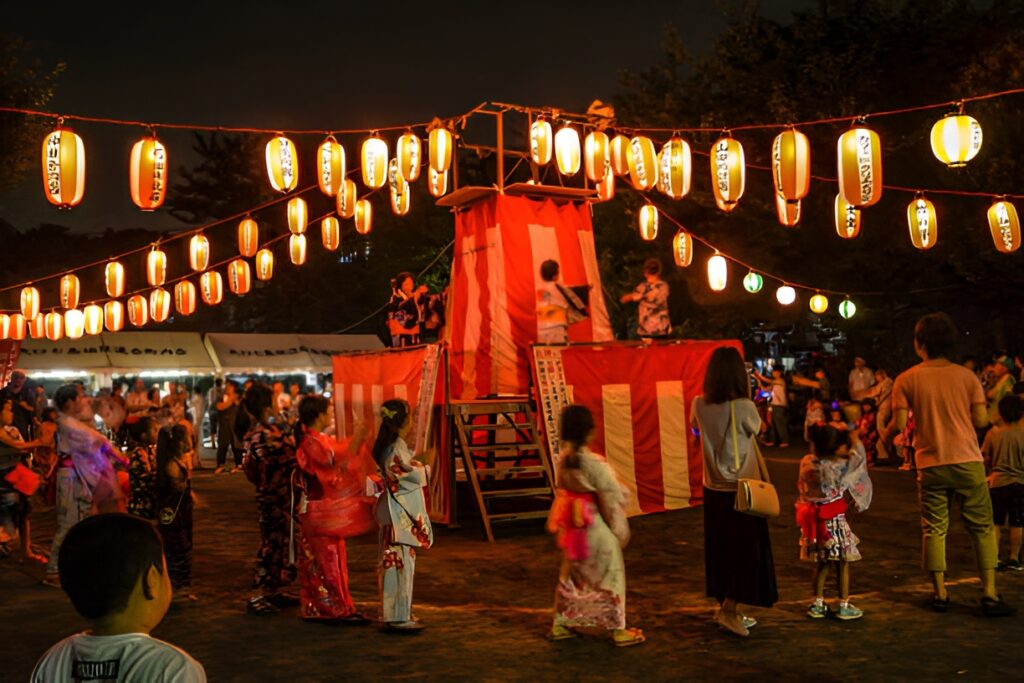
🏮 Obon – Japan
While some celebrations are a cacophony of noise, Japan’s Obon is peaceful, contemplative, and lovely. It’s held in mid-August to commemorate ancestors.
What’s special about it:
Families set up lanterns and let them off over rivers, leading spirits back to the other side.
Bon Odori (folk dances) unite communities in outdoor festivals.
It combines respect with joy — and is very emotional.
Obon shows us celebration doesn’t always require noise; sometimes silence and lanterns are more than enough.
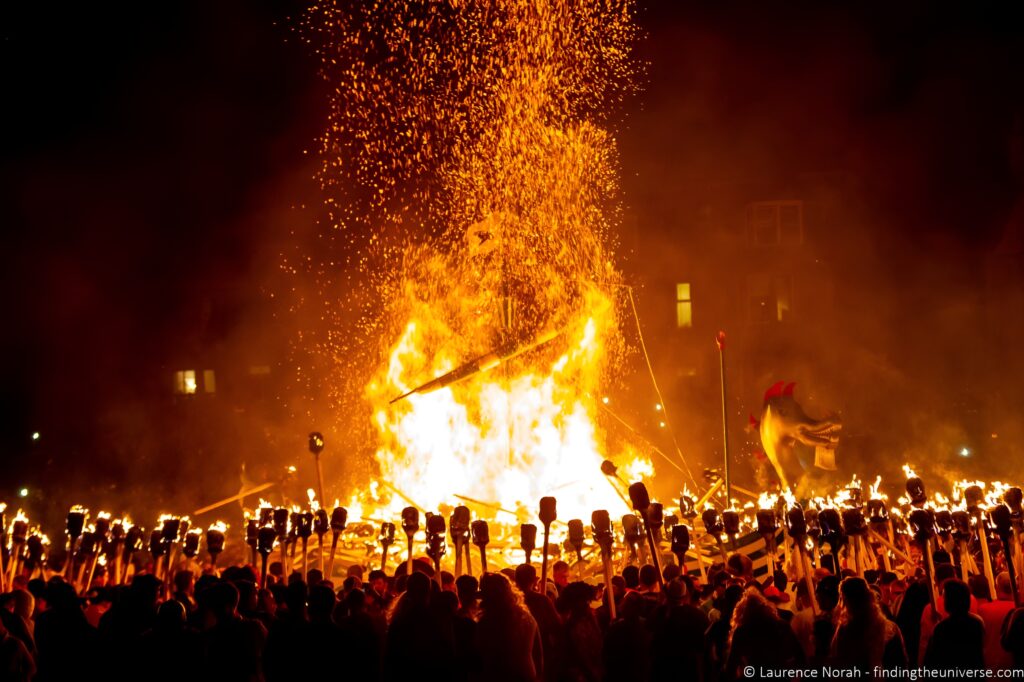
🔥🛡️Up Helly Aa – Scotland
Ever had the thought, “We should dress up as Vikings and burn a ship”? The Shetland Islands did. Up Helly Aa is their fire festival to mark Norse heritage every year.
What’s special about it:
Hundreds of people march through the town in Viking costumes.
They burn a huge replica longship — that’s right, an entire ship.
It’s a community event, with a blend of fire, history, and just a touch of “don’t try this at home.”
Essentially, it’s Comic-Con and How to Train Your Dragon, but with a lot more fire.
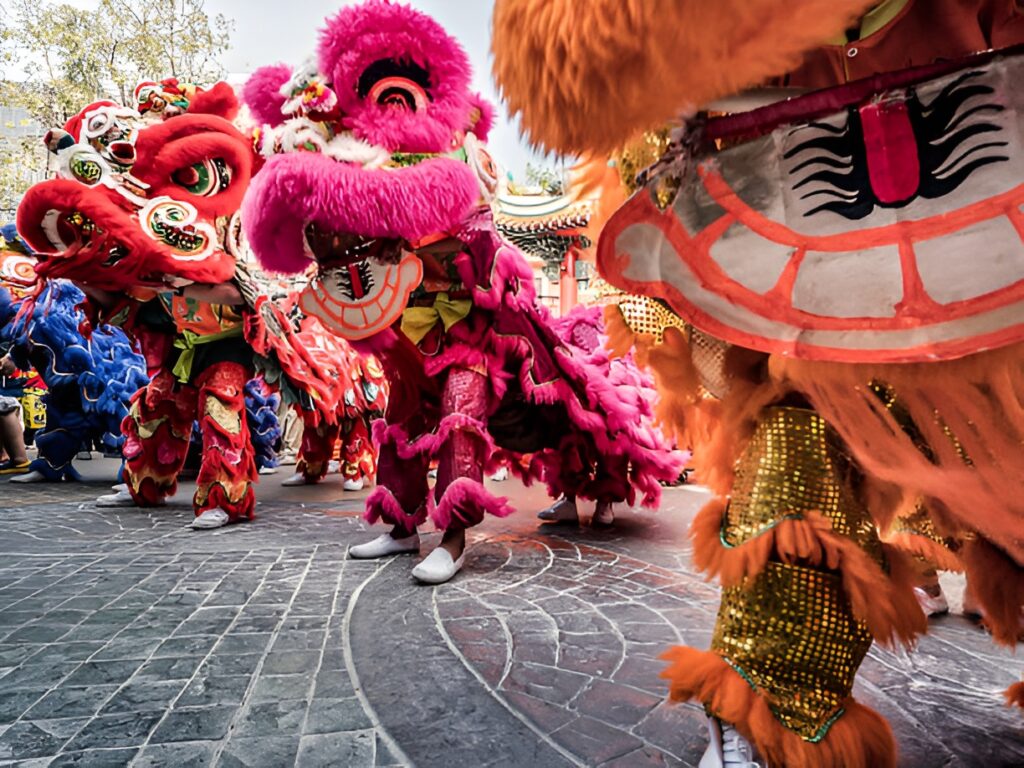
🐉Chinese New Year – China (and beyond)
Asia’s largest festival, Chinese New Year, signals the beginning of the lunar calendar.
What makes it stand out:
Each year has a zodiac animal theme.
Red lanterns, firecrackers, massive feasts, and dragon dances overwhelm the holiday.
Red packets (hongbao) with money represent prosperity and good fortune.
It’s half family reunion, half cultural pageant, and half world’s largest firework display.
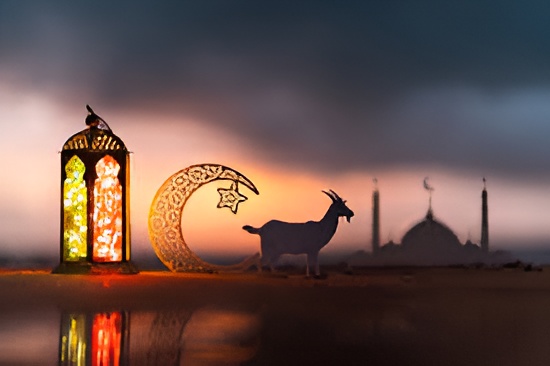
🐐Eid al-Adha – Across Muslim Countries
Also known as the “Festival of Sacrifice,” the Islamic festival commemorates Prophet Ibrahim (Abraham)’s offer to sacrifice his son.
What makes it special:
Families ritually butcher animals (goats, cows, or sheep) and share meat among the poor.
It centers on charity, community, and thankfulness.
It’s enjoyed across cultures with distinctive local flavors — from Pakistani sweets to Moroccan feasts.
It’s not about the food, but about giving and remembering faith.
So, What Really Makes Festivals Unique?
It’s the stories behind them. Every tomato tossed, every lantern lit, every samba dance — they all echo history, belief, and human creativity. Some festivals are wild and chaotic, others quiet and spiritual, but all share the same core: they bring people together.
🎒 Your Festival Bucket List
If you’re itching to hop on a plane, here’s a starter pack of must-see festivals:
Get blasted with colors at Holi (India)
Dance with skeletons during Día de los Muertos (Mexico)
Drown in tomato juice during La Tomatina (Spain)
Take a water break during a water fight during Songkran (Thailand)
Shake your booty to samba during Carnival (Brazil)
Light lanterns during Obon (Japan)
Burn a Viking ship during Up Helly Aa (Scotland)
See dragons and fireworks during Chinese New Year
Feed feasts and charity during Eid al-Adha
✨ Bottom line? Festivals are the way human beings express: “Yeah, life is hard — but let’s dance, paint, overeat, and create memories anyway.”
If you are feeling lucky and want to randomly decide which Country from Europe to travel to, then click here to go to our random European country generator.
Leave a Reply