
(Because someone, somewhere, said “yeah sure, that seems normal.”)
Countries have laws designed to protect order, safety, and basic human decency.
Then there are weird laws so bizarre you can’t help but wonder if the lawmakers were sleep-deprived, hungover, or just extremely bored.
From forbidden gum to posthumous marriages, let’s travel the world one questionable statute at a time — and see these countries with weird laws.

Thailand — Don’t Step on Money. Seriously. Don’t.
Thailand’s most famous “wait… what?” law makes it illegal to step on money.
Not because they’re worried about hygiene or inflation — but because Thai currency carries the image of the king, and stepping on his face (even by accident) is considered disrespectful.
Tourist tip: Drop a 20 baht bill in the wind and suddenly you’re in a high-stakes game of “don’t trample the monarchy.”
Why it matters:
It’s a fascinating window into how deeply respect for the Thai royal family is woven into daily life — even down to how you pick up loose change.
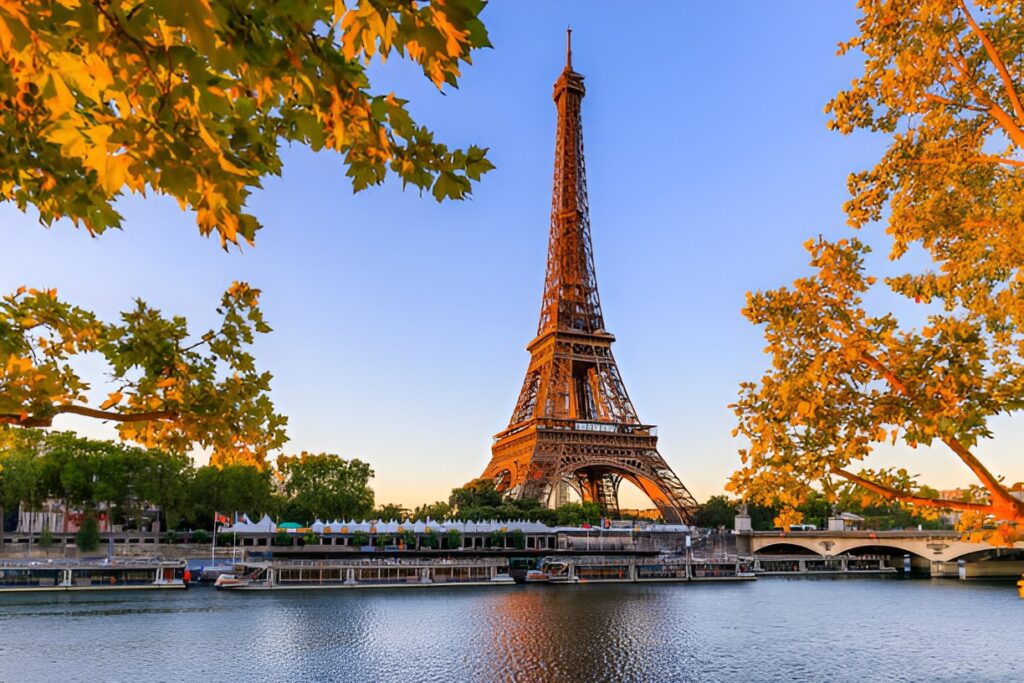
France — You Can Marry a Dead Person (With Paperwork).
France allows posthumous marriage under certain conditions.
Yes. You can legally marry someone who is no longer alive.
This law was originally created for soldiers who died before their planned wedding day. Today, it still exists — just with a lot of bureaucratic hoops. (France loves paperwork the way Britain loves sarcasm.)
Why it matters:
It highlights the importance of symbolic bonds and emotional closure in French culture. And, let’s be honest, no country does dramatic romance like France — not even in death.

Singapore — Chewing Gum Is Illegal, But Chewing Chaos Is Not
Singapore banned chewing gum in 1992 because too many people were sticking it on public trains and elevators.
One piece of gum could literally break a subway door.
It was national chaos.
The result?
Gum is illegal unless prescribed for medical reasons.
Imagine explaining to customs: “It’s not gum, officer… it’s for my jaw disorder.”
Why it matters:
Singapore’s obsession with cleanliness and order runs deep — this law is basically the city-state’s personality distilled into legislation.
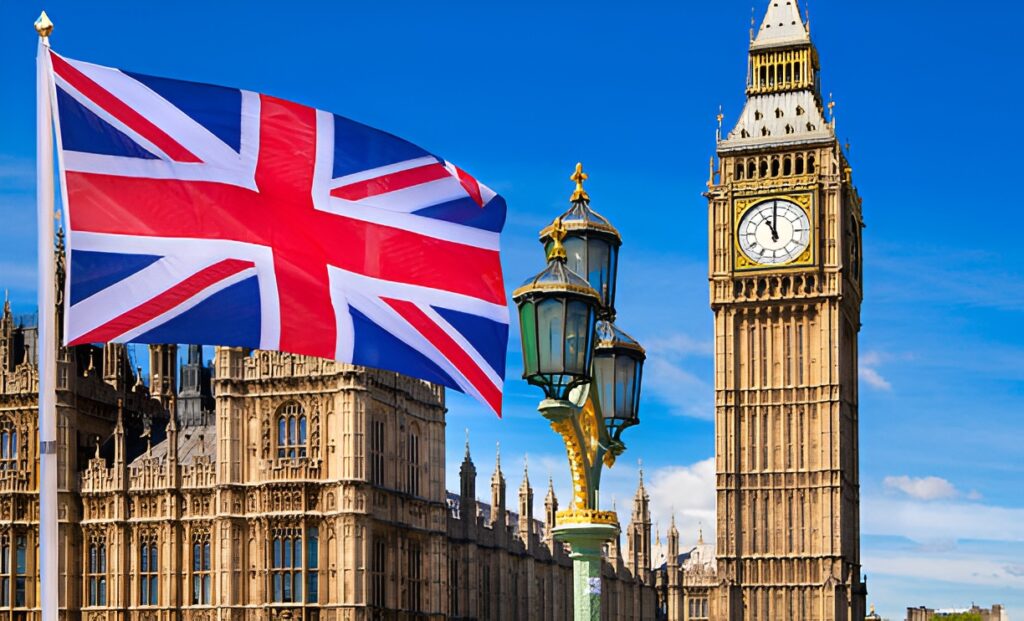
United Kingdom — You Can’t Handle Salmon Suspiciously
It’s illegal to handle salmon “in suspicious circumstances.”
The law is meant to prevent black-market fish smuggling, but the wording makes it sound like a Victorian comedy skit.
If your salmon looks shifty, put it down.
Why it matters:
The UK has a long history of quirky, oddly specific laws — many created to curb very real, very weird crimes.

Japan — No Dancing After Midnight (Until Recently)
For decades, public dancing after midnight was illegal.
The original 1948 law was designed to reduce crime, but eventually, it just made clubbing feel like a secret mission.
It was only lifted in 2015 — meaning Japan spent nearly 70 years being allergic to late-night grooves.
Why it matters:
Japan’s laws often reflect post-war social fears that stuck around longer than anyone expected.

Australia — You Can’t Crash a Wedding or Funeral
In South Australia, it’s illegal to disrupt a wedding or a funeral.
Yes, someone once caused enough chaos at both that lawmakers stepped in.
The fine? Up to $10,000.
Imagine paying that because you had a dramatic rom-com moment gone wrong.
Why it matters:
Even in a laid-back country, boundaries must be defended… especially when Aunt Karen is involved.

Italy — No Sandcastles Allowed (Some Towns)
Certain Italian beaches — especially in Liguria — ban sandcastles because the structures block foot traffic.
Kids build a fortress; grandma trips; lawmakers panic.
Why it matters:
Tourism-heavy areas sometimes create oddly specific laws to keep beaches usable… and avoid lawsuits.

Portugal — Don’t Pee in the Ocean
Yes, it’s illegal.
Yes, everyone has done it anyway.
No, I don’t know how they enforce it.
Why it matters:
Coastal pollution is a serious issue, even if this law feels like it was written by Poseidon himself.

Switzerland — No Flushing After 10 PM (Some Buildings)
In certain Swiss apartments, flushing toilets after 10 PM is considered “noise pollution.”
Bathroom schedules suddenly feel like exam timetables.
Why it matters:
The Swiss take quiet hours extremely seriously — it’s cultural, not comedic.

Canada — You Can’t Scare the Queen’s Geese
Hurting or harassing the geese that belong to the Crown is illegal.
These birds have better legal protection than most humans.
Why it matters:
Canada inherited centuries-old British wildlife traditions and just kept them.

Germany — Run Out of Gas on the Autobahn? That’s Illegal.
Stopping on the Autobahn is illegal unless it’s an emergency.
Running out of gas is not considered an emergency.
Plan accordingly, speed demon.
Why it matters:
The Autobahn represents national engineering pride — accidents caused by preventable stops are a big no-no.

India — Flying a Kite Counts as Aircraft Operation
Technically, kite-flying falls under the Indian Aircraft Act.
Does this mean your kite needs a permit?
Not exactly. But if it causes trouble, the law can apply.
Why it matters:
Many Indian laws date back to the colonial era — and some remain hilariously outdated.
Final Thoughts — Countries with Weird Laws Exist
From gum bans to ghost marriages, these weird laws aren’t just funny — they reveal what each society values, fears, or simply forgot to update for the 21st century.
Traveling means embracing the oddities.
And honestly? The world is way more fun because of them.
If you need help picking your next wonderfully weird European destination, try our Random European Country Generator — let chaos plan your trip.
Leave a Reply